
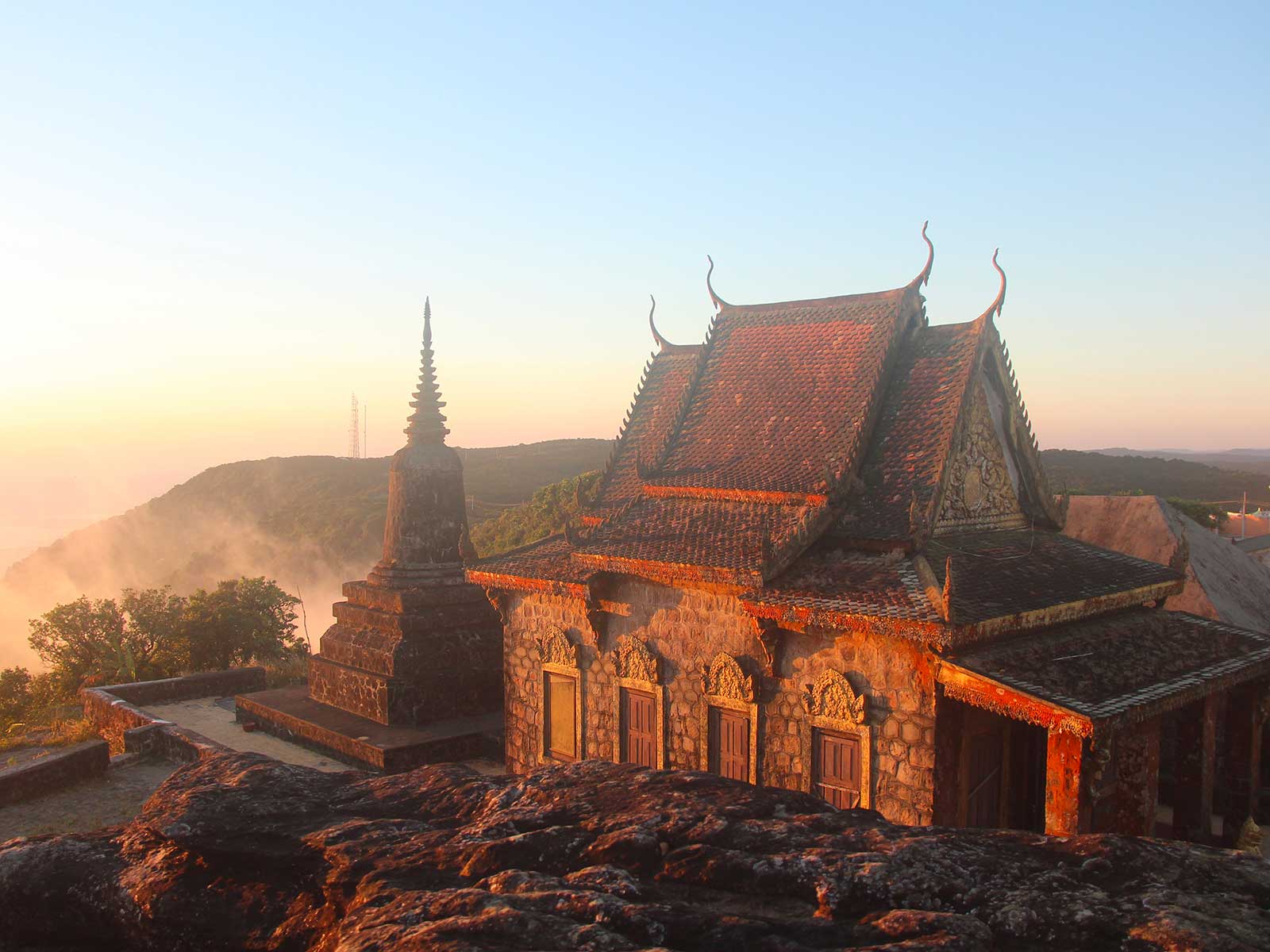
Explore Mondulkiri: Elephant Sanctuaries and Highland Adventures in Cambodia
Discover a different side of Cambodia in the eastern highlands of Mondulkiri, a province renowned for its breathtaking natural beauty and commitment to ethical wildlife conservation. Here, rolling hills, majestic waterfalls, and vibrant indigenous culture converge, offering travelers a truly unique and enriching experience away from the bustling temples and beaches.
Nestled in Cambodia's eastern reaches, Mondulkiri province stands as a testament to the country's diverse landscapes. Far from the iconic temples of Angkor Wat or the coastal allure of Koh Rong Sanleom, this rugged region offers a refreshing escape into nature. Characterized by undulating hills, dense forests, and cooler temperatures, Mondulkiri provides a stark contrast to the lowlands, inviting adventurers, nature lovers, and those seeking meaningful cultural encounters.
The provincial capital, Sen Monorom, serves as the primary hub for exploring the surrounding wonders. Its elevation offers a welcome respite from the tropical heat, making it an ideal destination for trekking, wildlife observation, and engaging with the local Bunong communities who call these highlands home. Mondulkiri's commitment to sustainable tourism and elephant welfare has increasingly put it on the map for responsible travelers.
Embracing Ethical Elephant Encounters
One of Mondulkiri's most compelling draws is its pioneering work in ethical elephant conservation. Several sanctuaries operate within the province, dedicated to rescuing, rehabilitating, and protecting elephants that have often suffered from logging, tourism exploitation, or illegal wildlife trade. These initiatives prioritize the elephants' well-being, offering them a safe haven to live naturally in their forest habitat.
Visitors to these sanctuaries can expect a deeply moving and educational experience. Instead of riding elephants, which is widely recognized as harmful, you'll have the opportunity to observe these magnificent creatures in their natural environment. Activities typically include walking with them through the forest, watching them bathe in rivers, and learning about their individual stories and the challenges facing their species. The focus is always on respectful interaction, allowing the elephants to lead and ensuring their comfort and freedom.
Supporting ethical elephant sanctuaries in Mondulkiri directly contributes to conservation efforts, provides employment for local communities, and promotes a more responsible form of tourism that prioritizes animal welfare.
Many sanctuaries work closely with the indigenous Bunong people, who have a long-standing cultural connection to elephants. This collaboration not only ensures the elephants receive expert care but also helps preserve traditional knowledge and provides sustainable livelihoods for the Bunong communities.
Discovering Mondulkiri's Natural Wonders and Culture
Beyond its iconic elephants,Mondulkiri boasts a landscape ripe for exploration. The province is a treasure trove of natural beauty, from thundering waterfalls to serene coffee plantations and ancient forests.
Majestic Waterfalls
Mondulkiri is famous for its stunning waterfalls, offering refreshing breaks and picturesque photo opportunities. The most renowned isBousra Waterfall, a magnificent three-tiered cascade that plunges into a lush valley. Visitors can swim in designated areas and enjoy the surrounding natural park. Other notable waterfalls include Chrey Thom and Romanear, each offering a unique charm and a chance to immerse yourself in the tranquil jungle environment.
Trekking Through Verdant Landscapes
The province's undulating terrain makes it a prime destination for trekking and hiking. Guided tours can lead you through dense jungle, past indigenous villages, and to breathtaking viewpoints overlooking the vast Cambodian highlands. These treks often offer glimpses of diverse flora and fauna, and the opportunity to learn about traditional plant uses from local guides. For those interested in broader Cambodian nature, the Cardamom Mountains offer similar rugged beauty, but Mondulkiri provides its own distinct highland experience.
Coffee Plantations and Local Produce
Mondulkiri's fertile red soil and cooler climate are ideal for growing coffee. Visitors can tour local coffee plantations, learn about the cultivation and harvesting process, and sample freshly brewed Cambodian coffee. This region also produces other agricultural goods, including pepper and various fruits, offering a taste of local life and economy.
Immersive Cultural Experiences
The Bunong people, an indigenous ethnic group, form a significant part of Mondulkiri's cultural fabric. Visiting a Bunong village offers a rare opportunity to learn about their traditions, language, and way of life. Many elephant sanctuary programs integrate cultural elements, allowing visitors to understand the deep connection between the Bunong and their forest environment, and particularly, their relationship with elephants. Engaging with these communities provides valuable insight into Cambodia's rich tapestry of cultures, distinct from the historical focus found near Prasat Preah Vihear or the bustling capital of Phnom Penh.
Practical Tips for Your Mondulkiri Adventure
To make the most of your visit to Mondulkiri, consider these practical tips:
Best Time to Visit
The dry season, fromNovember to May, is generally considered the best time to visit. The weather is cooler and less humid, and the trails are easier to navigate. The rainy season (June to October) brings lush greenery and full waterfalls, but also muddier roads and potential disruptions to outdoor activities.
How to Get There
Mondulkiri is accessible by road. The most common route is from Phnom Penh, which typically takes around 6-8 hours by bus or shared taxi. You can also travel from Kratie, known for its Irrawaddy dolphins, which is a shorter journey of about 3-4 hours. Road conditions have improved significantly, making the journey more comfortable than in previous years.
Getting Around Mondulkiri
Once in Sen Monorom, getting around is relatively easy. You can rent a motorbike (if experienced), hire a moto-driver or tuk-tuk for local excursions, or arrange tours through your guesthouse or directly with local operators. Many elephant sanctuaries and trekking guides include transportation in their packages.
Accommodation and Dining
Sen Monorom offers a range of guesthouses and a few eco-lodges, catering to different budgets. It's advisable to book accommodation in advance, especially during peak season. Dining options are varied, with local Cambodian cuisine readily available, along with some Western choices. Don't miss the chance to try locally grown coffee.
Responsible Tourism
When visiting Mondulkiri, it's crucial to practice responsible tourism. This includes choosing ethical tour operators and elephant sanctuaries, respecting local customs and traditions, minimizing your environmental impact, and supporting local businesses. Engage with the Bunong people respectfully and always ask for permission before taking photographs.
Experience the Untamed Beauty of Cambodia's Highlands
Mondulkiri offers a profound and memorable experience that goes beyond typical tourist trails. It's a place where you can connect with nature, witness incredible conservation efforts, and immerse yourself in the rich culture of Cambodia's indigenous communities. Whether you're trekking through dense forests, marveling at powerful waterfalls, or spending a day with rescued elephants,Mondulkiri promises an adventure that is as enriching as it is exhilarating. Plan your visit to this extraordinary province and discover the untamed beauty of Cambodia's highlands.