
Cambodia's Most Instagrammable Spots: Photo Guide for Travelers
Cambodia, a land of ancient wonders and breathtaking landscapes, offers an endless canvas for photographers. From majestic temples to pristine beaches and vibrant city scenes, every corner presents a unique opportunity to capture stunning memories and share them with the world. This guide will help you discover the most photogenic locations for your travel photography.
Ancient Marvels & Sacred Sites
No trip to Cambodia is complete without exploring its iconic temple complexes. These architectural masterpieces offer unparalleled photographic opportunities, especially during the golden hours.
Angkor Wat Complex
The crown jewel of Cambodia,Angkor Wat is an architectural marvel and a photographer's dream. Its intricate carvings, towering spires, and serene reflection pools create a truly magical atmosphere. The iconic sunrise shot, with the temple silhouetted against a pastel sky, is a must-capture.
- Photo Tip:Arrive before dawn to secure a good spot by the reflection pools. Experiment with different angles and focal lengths. Don't forget to capture the intricate bas-reliefs and the scale of the temple as the sun rises higher.
Bayon Temple (Angkor Thom)
Located within Angkor Thom, Bayon Temple is famous for its more than 200 enigmatic, smiling faces carved into its towers. The multi-faced structures create a mysterious and captivating atmosphere, especially when the light casts dramatic shadows.
- Photo Tip:Focus on close-ups of the faces, trying to capture their unique expressions. Use a wide-angle lens to convey the density of the towers, and look for leading lines within the temple's architecture.
Ta Prohm
Known as the "Tomb Raider" temple, Ta Prohm is famous for its giant tree roots that intertwine with the ancient stones, creating a surreal and ethereal scene. It's a powerful reminder of nature reclaiming its own.
- Photo Tip:Capture the dramatic contrast between the massive roots and the crumbling stone. Look for interesting textures and patterns. Early morning light filtering through the canopy can create stunning dappled effects.
Prasat Preah Vihear
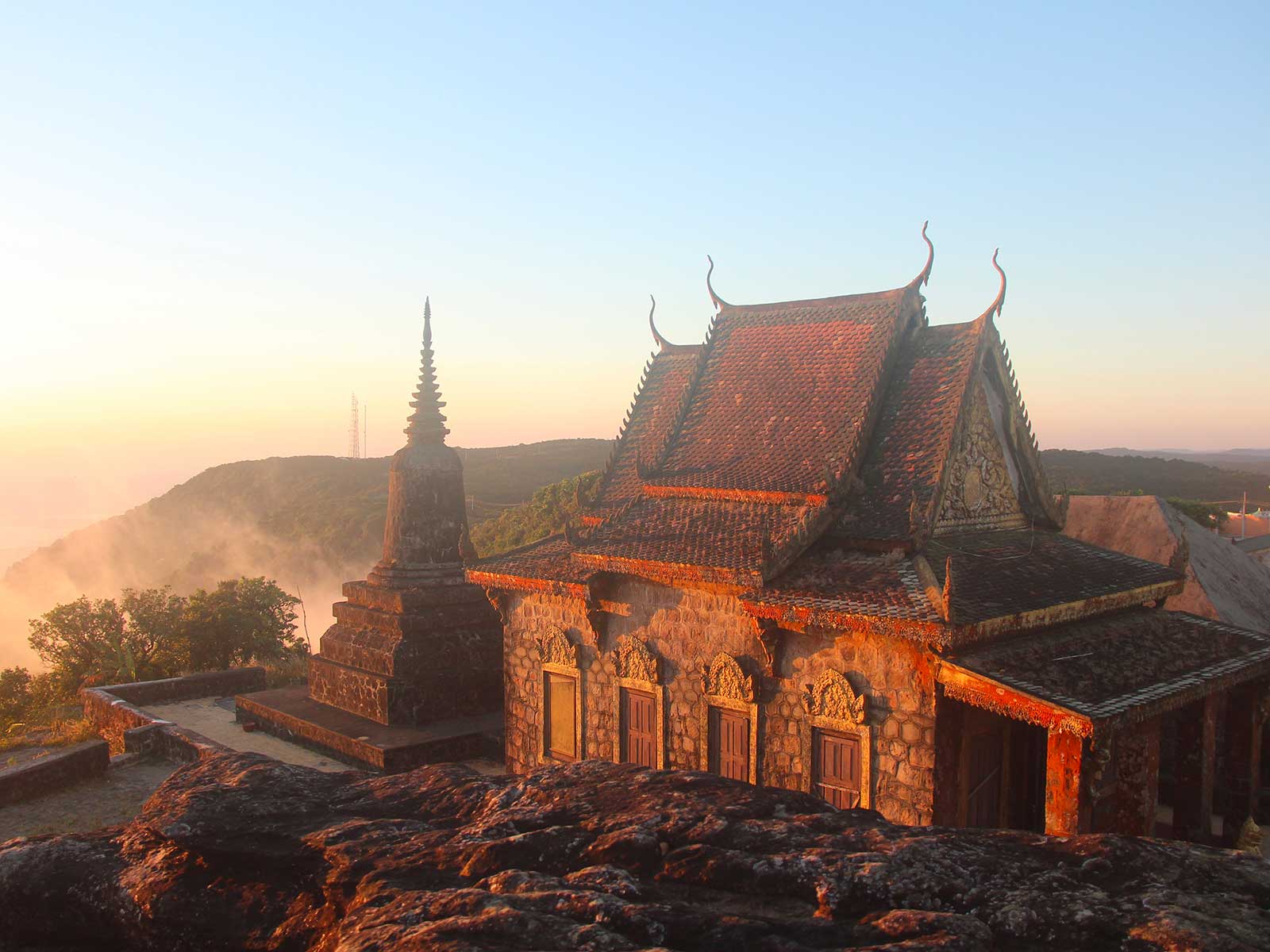
Perched dramatically on a clifftop overlooking the plains of Cambodia and Thailand,Prasat Preah Vihear offers breathtaking panoramic views. This UNESCO World Heritage site is less visited than Angkor, providing a more serene photographic experience.
- Photo Tip:Utilize a wide-angle lens to capture the vast landscape and the temple's commanding position. Look for dramatic cloud formations to enhance the sense of scale and awe.
Nature's Untouched Beauty
Beyond its ancient temples, Cambodia boasts incredible natural landscapes, from pristine islands to vast lakes and lush jungles.
Koh Rong Sanleom
For postcard-perfect beaches and crystal-clear waters, head to Koh Rong Sanleom. This tranquil island offers stunning white sand beaches, vibrant coral reefs, and even bioluminescent plankton at night, making it an ideal spot for both daytime and nighttime photography.
- Photo Tip:Capture the contrasting blues of the sky and ocean. Experiment with long exposures at sunset. For the bioluminescent plankton, a tripod and a fast lens are essential to capture the magical glow.
Tonlé Sap Lake
Southeast Asia's largest freshwater lake,Tonlé Sap Lake, is a unique ecosystem supporting vibrant floating villages. Photographing the daily life of communities living on the water offers a fascinating glimpse into Cambodian culture.
- Photo Tip:Focus on candid shots of daily life, the colorful boats, and reflections on the water. Sunrises and sunsets over the vast lake can be particularly stunning, with rich hues reflecting off the calm surface.
Cardamom Mountains & Mondulkiri
For lush rainforests, cascading waterfalls, and ethical elephant sanctuaries, the Cardamom Mountains and Mondulkiri province are exceptional choices. These regions offer opportunities for wildlife and landscape photography amidst untouched natural beauty.
- Photo Tip:Pack a telephoto lens for wildlife and a wide-angle for capturing the vastness of the forests and waterfalls. Always prioritize ethical interactions when photographing animals, ensuring their welfare comes first.
Mekong River (near Kratie)
The mighty Mekong River near Kratie is one of the last remaining habitats for the critically endangered Irrawaddy dolphins. Observing these elusive creatures in their natural environment provides a rare and poignant photo opportunity.
- Photo Tip:A long zoom lens is crucial for capturing the dolphins without disturbing them. Also, look for opportunities to photograph the serene river landscapes and local life along its banks.
Vibrant Cities & Charming Towns
Cambodia's cities and towns offer a different kind of visual appeal, blending colonial architecture with bustling street life and unique cultural scenes.
Phnom Penh
The vibrant capital,Phnom Penh, is a dynamic city with a rich history. From the grandeur of the Royal Palace and Silver Pagoda to the bustling markets and emerging street art scene, there's a myriad of subjects for urban photographers.
Phnom Penh's blend of colonial architecture and modern development provides a fascinating backdrop for urban exploration and photography.
- Photo Tip:Capture the intricate details of temple architecture, the energy of street scenes, and the contrast between old and new. Early mornings are best for markets before they get too crowded.
Kampot
Nestled by the Praek Tuek Chhu River,Kampot is renowned for its relaxed atmosphere, French colonial architecture, and famous pepper plantations. The riverside promenades and the nearby Bokor National Park offer diverse photographic backdrops.
- Photo Tip:The golden hour by the river is perfect for capturing the colonial buildings reflecting on the water. Explore the pepper farms for unique agricultural shots and the abandoned hill station on Bokor Mountain for atmospheric, eerie images.
Kep
Once a glamorous seaside retreat,Kep retains a charming, laid-back vibe. Famous for its fresh crab market, national park, and views of the Gulf of Thailand, it's a great spot for coastal and culinary photography.
- Photo Tip:Focus on the vibrant activity at the crab market, the scenic coastal views, and the quirky statues scattered around town. The hiking trails in Kep National Park offer elevated viewpoints for panoramic shots.
Krong Battambang
Cambodia's second-largest city,Krong Battambang, is known for its well-preserved French colonial architecture, vibrant art scene, and the unique Bamboo Train. It offers a more authentic and less tourist-heavy experience for photographers.
- Photo Tip:Explore the colonial buildings in the city center, capture the rustic charm of the Bamboo Train, and seek out local artisans and street performers for cultural portraits.
Essential Photography Tips for Cambodia
To make the most of your photographic journey through Cambodia, keep these practical tips in mind:
Best Time to Visit & Shoot
The dry season (November to February) offers clear skies and comfortable temperatures, ideal for photography. Early mornings and late afternoons (the "golden hours") provide the softest, most flattering light, perfect for temples and landscapes alike.
Respectful Photography
When photographing people, especially children, always ask for permission first. At religious sites, dress respectfully (shoulders and knees covered) and be mindful of ongoing ceremonies. A smile and a respectful gesture go a long way.
Always seek permission before photographing local people, especially children, and be mindful of cultural sensitivities at religious sites.
Gear Essentials
- Lenses:A wide-angle lens for grand landscapes and temples, a versatile zoom (e.g., 24-70mm or 24-105mm) for general travel, and a telephoto lens (e.g., 70-200mm or longer) for wildlife and details.
- Tripod:Essential for low-light shots (sunrises, sunsets, night photography) and long exposures.
- Batteries & Storage:Carry extra batteries and plenty of memory cards.
- Protection:Dust is prevalent, especially during the dry season. Protect your gear with lens cloths, dust blowers, and rain covers. Sunscreen and a hat are also crucial for yourself!
Embrace the Details
While the grand vistas are captivating, don't forget to look for smaller, intricate details. The textures of ancient stone, vibrant market produce, a child's curious gaze, or the patterns in traditional textiles can create equally compelling photographs.
Cambodia truly is a photographer's paradise, offering an incredible diversity of subjects and scenes. With this guide, you're well-equipped to capture the magic and beauty of this extraordinary country and share your visual story with the world.