
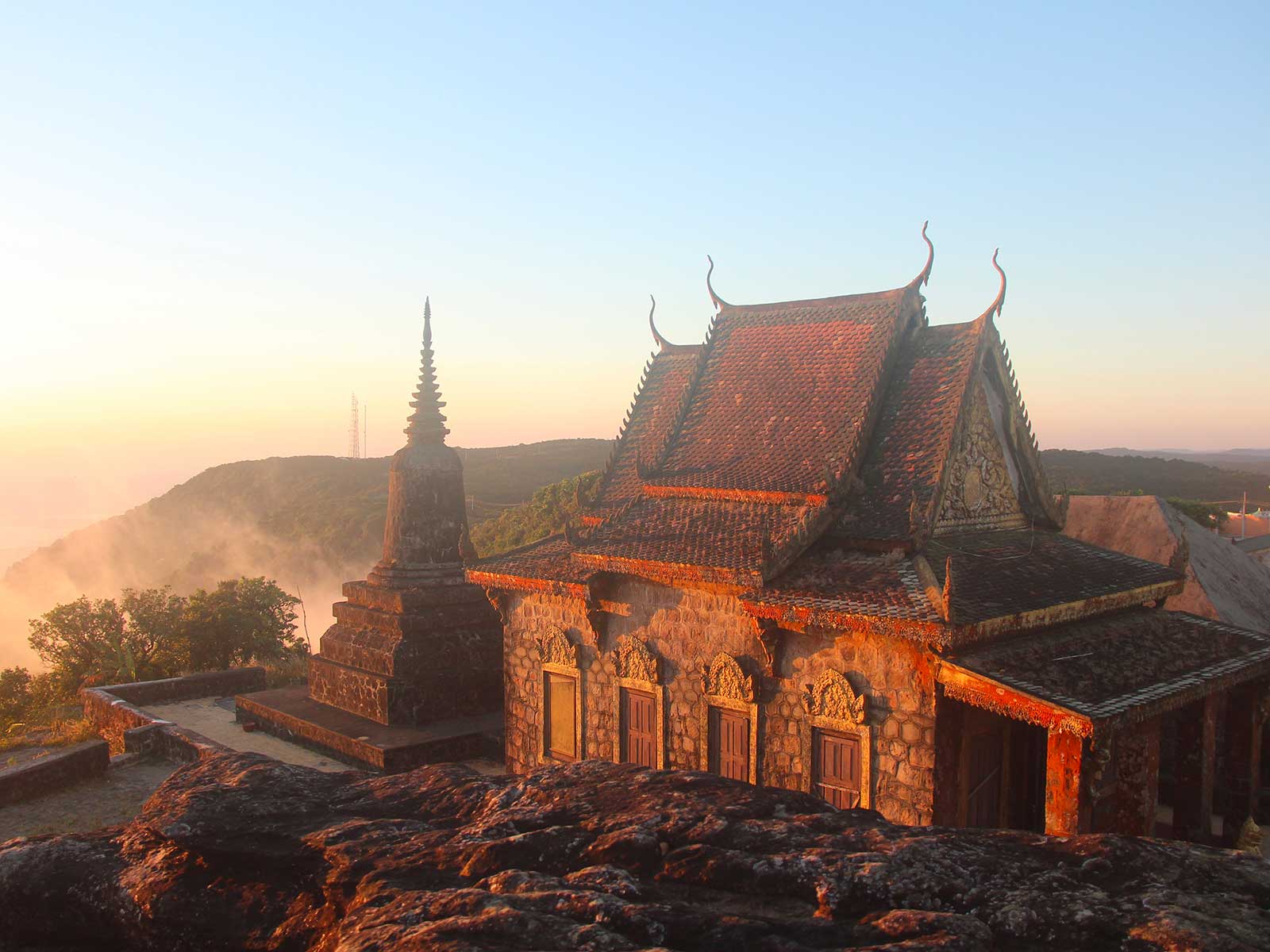
Cambodia's Festivals and Events: Celebrating Culture Through the Year
Cambodia's calendar is punctuated by a vibrant array of festivals and events, offering a profound glimpse into its rich cultural heritage and deeply rooted traditions. From ancient religious ceremonies to lively modern celebrations, these gatherings provide unforgettable experiences for any traveler.
Participating in or simply observing these events allows visitors to connect with the heart and soul of the Cambodian people. Each festival tells a story, reflecting the nation's history, spiritual beliefs, agricultural cycles, and unwavering community spirit.
Major Festivals Throughout the Year
Many of Cambodia's most significant festivals are tied to the lunar calendar, meaning their dates vary slightly each year. It's always a good idea to check the specific dates when planning your trip.
Choul Chnam Thmey – Khmer New Year (April)
The most important holiday in Cambodia, Khmer New Year marks the end of the harvest season and the beginning of the traditional new year. Celebrated over three days, it's a time for family reunions, temple visits, and lively games. People clean their homes, prepare special foods, and visit pagodas to offer gratitude and receive blessings.
- Day 1: Moha Songkran– Welcoming the new angel, people light candles and incense at shrines, offering fruits and flowers.
- Day 2: Virak Vanabot– Families visit pagodas, offering food to the poor and less fortunate.
- Day 3: Virak Leung Sakk– Buddhists wash Buddha statues and their elders, seeking forgiveness and blessings.
While celebrated nationwide, major cities like Phnom Penh and Krong Battambang see grand celebrations. The area around Angkor Wat in Siem Reap hosts particularly spectacular events, often including cultural performances and elaborate decorations.
Visak Bochea (May)
Visak Bochea is a significant Buddhist festival celebrating the birth, enlightenment, and passing of Gautama Buddha. It's a solemn yet deeply spiritual day marked by peaceful processions, prayer, and offerings at temples across the country. Monks lead candlelit parades, and devotees gather to listen to sermons and reflect on Buddhist teachings.
Preah Reach Pithi Chrat Preah Nengkal – Royal Ploughing Ceremony (May)
This ancient royal ceremony, usually held near the Royal Palace in Phnom Penh, marks the beginning of the rice planting season. The event involves a sacred oxen ploughing a furrow, followed by a ritual where the oxen are offered different foods. The choices made by the oxen are then interpreted by soothsayers to predict the year's harvest, rainfall, and prosperity.
Fun Fact:The Royal Ploughing Ceremony dates back centuries and is also observed in other Southeast Asian nations, reflecting the region's historical agricultural dependence.
Pchum Ben – Ancestor's Day (September/October)
Pchum Ben is one of the most important religious festivals in Cambodia, a time when Cambodians honor their ancestors. Over 15 days, families visit pagodas, bringing food offerings to monks who chant prayers for the deceased. It's believed that during this period, the gates of hell open, and the spirits of ancestors wander the earth, seeking sustenance. Making offerings is crucial to ensure their peace and well-being.
The final day of Pchum Ben is a public holiday, with families traveling across the country to gather at their ancestral pagodas. The atmosphere is one of deep respect and community, with shared meals and collective prayer.
Bon Om Touk – Water Festival (November)
Perhaps the most spectacular and widely celebrated festival, Bon Om Touk marks the reversal of the current of the Tonlé Sap Lake into the Mekong River, as well as the end of the rainy season and a bountiful rice harvest. The highlight is the thrilling longboat races held on the Tonlé Sap River in Phnom Penh, drawing millions of spectators.
The three-day festival also features illuminated boat parades, fireworks, traditional music, and dance performances. It's a lively and joyous occasion that transforms the capital into a bustling hub of activity. Smaller celebrations and boat races also occur in provincial towns along rivers.
Other Notable Celebrations and Events
King's Birthday (May)
Celebrated over three days, the King's Birthday is a national public holiday. While not a festival with specific public rituals, it's a time for national pride, with public buildings often adorned with portraits of the King and Queen, and various cultural events and displays taking place.
Independence Day (November 9)
This national holiday commemorates Cambodia's independence from France in 1953. Celebrations include a parade in Phnom Penh, led by the King, and a fireworks display near the Independence Monument. It's a day for Cambodians to reflect on their nation's sovereignty and history.
Sea Festival (December)
The Sea Festival is a more recent initiative, rotating annually between Cambodia's coastal provinces like Sihanoukville,Kep, and Kampot. It promotes coastal tourism and local products, featuring concerts, sports competitions, food stalls, and cultural performances, celebrating the beauty and resources of Cambodia's coastline.
Elephant Festivals (Various, particularly in Mondulkiri)
While not a national festival, regions like Mondulkiri, home to indigenous communities and elephant conservation efforts, sometimes host local elephant festivals or events. These celebrations often involve traditional ceremonies, elephant blessings, and demonstrations of their importance in local culture and livelihoods. Visitors interested in ethical elephant encounters may find these regional events particularly insightful.
Tips for Enjoying Cambodian Festivals
- Plan Ahead:Festival dates can cause hotels and transportation to book up quickly, especially in popular areas. Book your accommodation and travel arrangements well in advance.
- Dress Respectfully:When visiting temples or participating in religious ceremonies, ensure you dress modestly, covering your shoulders and knees.
- Embrace the Crowds:Major festivals, particularly Bon Om Touk in Phnom Penh, attract huge crowds. Be prepared for bustling streets and embrace the lively atmosphere.
- Stay Hydrated:Cambodia's climate can be hot. Carry water, especially if you're out in the sun for extended periods.
- Be Open and Observant:While you might not understand every ritual, observe with respect and an open mind. Many Cambodians are happy to explain their traditions.
- Protect Valuables:In crowded areas, be mindful of your belongings.
Conclusion
Cambodia's festivals and events are more than just dates on a calendar; they are living expressions of a resilient culture, a deep spiritual connection, and a vibrant community spirit. Experiencing these celebrations firsthand offers an unparalleled opportunity to delve into the heart of Cambodian identity, creating memories that last long after your journey ends. Whether you witness the solemn beauty of Pchum Ben or the exhilarating energy of Bon Om Touk, you'll leave with a profound appreciation for this captivating nation.