
Cambodian Culture and Customs: Essential Etiquette for Travelers
Cambodia, a land of ancient wonders and vibrant traditions, offers travelers an incredibly rich cultural experience. To truly appreciate the Kingdom of Wonder and its warm-hearted people, understanding and respecting local customs is paramount. Embracing Cambodian etiquette will not only enrich your journey but also foster meaningful connections with the locals.
The Foundation of Khmer Culture
Cambodian culture is deeply rooted in its ancient history, particularly the glorious Angkorian era, and profoundly influenced by Theravada Buddhism. Resilience, humility, and a strong sense of community are central tenets. This rich heritage is visible in everything from daily greetings to the reverence shown towards elders and religious sites.
Greetings and Social Interactions
Interacting respectfully with Cambodians is a cornerstone of good etiquette. Pay attention to how people greet each other and respond in kind.
The Sampeah: A Traditional Cambodian Greeting
TheSampeahis Cambodia's traditional greeting and sign of respect, similar to the Thaiwai. It involves pressing both palms together in a prayer-like gesture, with fingers pointing upwards, and bowing slightly. The height of the hands and the depth of the bow convey different levels of respect:
- Hands at chest level:For general greetings between peers.
- Hands at mouth level:For greeting elders or people of higher status.
- Hands at nose level:For greeting parents, grandparents, or teachers.
- Hands at eyebrow level:For greeting monks or royalty, accompanied by a deeper bow.
While a smile and a simple "hello" (Chum reap suorfor formal,Suosdeyfor informal) are often sufficient for tourists, attempting a Sampeah will be greatly appreciated.
Addressing People
When addressing someone, especially an elder or someone in a position of authority, it's polite to use formal terms. "Lok" (Mr.) and "Lok Srey" (Madam) are respectful titles. Avoid pointing directly at people with your finger; instead, use an open hand.
Personal Space and Touch
Public displays of affection are generally frowned upon. Physical contact is often reserved for close family or friends. A few key points:
- The head is considered the most sacred part of the body, so never touch someone's head.
- The feet are considered the lowest and least sacred part; avoid pointing your feet at people, Buddha images, or sacred objects.
- It's customary for people of the same gender to hold hands, but public hand-holding or kissing between opposite genders is rare and often seen as inappropriate.
Temple Etiquette and Religious Sites
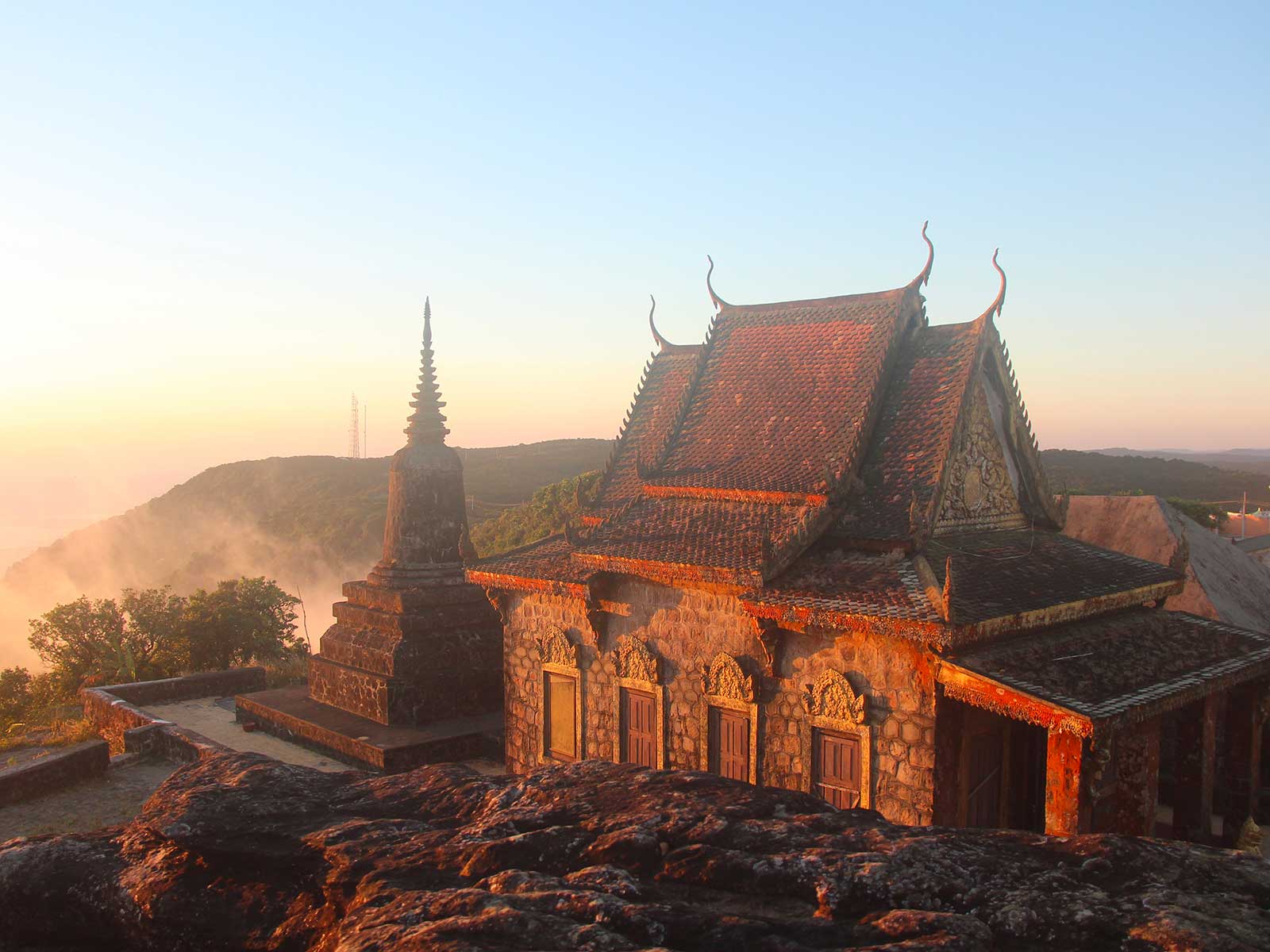
Buddhism is the state religion, and temples are sacred spaces. Respectful behavior is crucial when visiting religious sites like Angkor Wat,Prasat Preah Vihear, or any local pagoda.
- Dress Code:Always dress modestly. Shoulders and knees must be covered. This applies to both men and women. Consider bringing a scarf or sarong to cover up if you're wearing less conservative attire.
- Removing Shoes:It is customary to remove your shoes and hats before entering a pagoda or someone's home.
- Respect for Monks:Monks are highly revered. Women should avoid touching monks or handing items directly to them. If a woman needs to give something to a monk, she should place it on a cloth or ask a man to pass it.
- Respect for Buddha Images:Never turn your back to a Buddha image or pose disrespectfully in front of one. Do not touch sacred statues.
- Volume and Demeanor:Maintain a quiet and respectful demeanor. Avoid loud conversations or disruptive behavior.
Dining and Food Customs
Meal times are often social events. While specific rules can vary by family, here are some general guidelines:
- Waiting for Elders:Always wait for the eldest person to start eating before you begin.
- Chopsticks vs. Utensils:Most Cambodian meals are eaten with a spoon and fork. Chopsticks are common for noodle dishes.
- Serving:Food is often served family-style. It's polite to take reasonable portions and not pile your plate high.
- Wasting Food:Try to finish what's on your plate, as wasting food is considered disrespectful.
- Tipping:Tipping is not traditionally expected but is always appreciated, especially in tourist-oriented areas.
Fun Fact:While many Asian cultures slurp noodles to show enjoyment, in Cambodia, slurping loudly is generally considered impolite.
Dressing Appropriately
Modesty in dress is highly valued, particularly outside of beach resorts. While places like Sihanoukville or Koh Rong Sanleom might have a more relaxed atmosphere, it's always wise to err on the side of caution.
- General Public:For daily wear in cities like Phnom Penh or towns like Kampot, aim for conservative clothing that covers shoulders and knees. Lightweight, breathable fabrics are ideal for the climate.
- Rural Areas:In more traditional or rural areas such as Kratie or Mondulkiri, modesty is even more important.
- Swimwear:Reserve swimwear for beaches, pools, and designated swimming areas.
Photography Etiquette
Capturing the beauty of Cambodia is a joy, but always do so with respect.
- Ask Permission:Always ask for permission before taking photos of people, especially children, and be prepared for them to decline. A smile and a gesture often work wonders.
- Respect Privacy:Do not photograph people in sensitive situations or without their consent.
- Sacred Sites:Be mindful of restrictions in temples or other sacred sites. Some areas may prohibit photography.
Shopping and Bargaining
Bargaining is a common practice in markets, particularly in places like Krong Battambang or Kep's crab market, but always do so respectfully and with a smile.
- Be Polite:Bargain politely and avoid becoming aggressive. It's often a friendly negotiation.
- Fair Price:Aim for a fair price for both parties. Remember that a few dollars difference might be significant for a local vendor.
- Support Local:Consider supporting local artisans and businesses, which contributes directly to the local economy.
Navigating Public Spaces
Understanding non-verbal cues and general behavior in public spaces can prevent misunderstandings.
- Hand Gestures:Avoid using your left hand to give or receive items, as it's considered unclean. Use your right hand or both hands.
- Volume of Voice:Speak in a moderate tone. Loud conversations can be seen as impolite.
- Pointing:Avoid pointing your finger directly at people or objects. Instead, use an open hand or a slight nod of the head.
- Environmental Respect:Be mindful of your surroundings, whether exploring the floating villages of Tonlé Sap Lake or trekking through the Cardamom Mountains. Littering is disrespectful and harmful to the environment.
A Note on Giving and Receiving
When offering or receiving anything—a gift, money, or even a business card—it's polite to do so with both hands. This gesture signifies respect and sincerity.
Cultural Sensitivity in Rural vs. Urban Areas
While general etiquette applies across Cambodia, you might find that traditional customs are more strictly observed in rural areas compared to bustling cities like Phnom Penh. In rural villages, locals may be less accustomed to tourists, making your respectful adherence to customs even more impactful.
By keeping these cultural guidelines in mind, you'll not only navigate Cambodia with ease but also foster deeper, more meaningful interactions with its people. Your efforts to understand and respect Cambodian traditions will undoubtedly be met with warmth and appreciation, making your journey truly unforgettable.