
Understanding Brunei's Unique Traditions and Etiquette
Brunei Darussalam, often called the "Abode of Peace," offers travelers a captivating blend of rich Malay heritage and deep-rooted Islamic values. To truly appreciate this unique Southeast Asian nation, understanding and respecting its traditions and etiquette is paramount for a harmonious and memorable visit.
The Foundations of Bruneian Culture: MIB Philosophy
Brunei's identity is intrinsically tied to its national philosophy:Melayu Islam Beraja(Malay Islamic Monarchy), or MIB. This framework emphasizes Malay culture, Islamic faith, and the monarchical system, shaping every aspect of life, from governance to daily social interactions. Visitors will find that these pillars dictate much of the local customs and expectations.
Respectful Greetings and Interactions
The Art of the Salam
- Handshake:For men, a gentle handshake (known assalam) is common. Extend your right hand, touch the other person's hand lightly, then bring your hand to your chest as a sign of respect and sincerity.
- Gender Etiquette:It's customary for men not to initiate a handshake with women unless the woman extends her hand first. Women may offer a slight bow or a hand-to-chest gesture.
- Elders and Authority:Always show deference to elders and those in positions of authority. When greeting an elder, it's respectful to lightly touch their hand and then bring your hand to your forehead before your chest.
- Addressing People:Use appropriate titles if known, or address individuals respectfully. Common informal titles includeAwang(for men) andDayang(for women).
Dress Code and Modesty
Modesty is a core value in Brunei, reflecting its Islamic foundations. While there's no strict dress code for tourists, dressing respectfully is always appreciated and often necessary for entry into religious sites.
- General Public:Opt for modest clothing that covers shoulders and knees. Avoid overly revealing attire, especially in public places like markets, government buildings, and shopping malls.
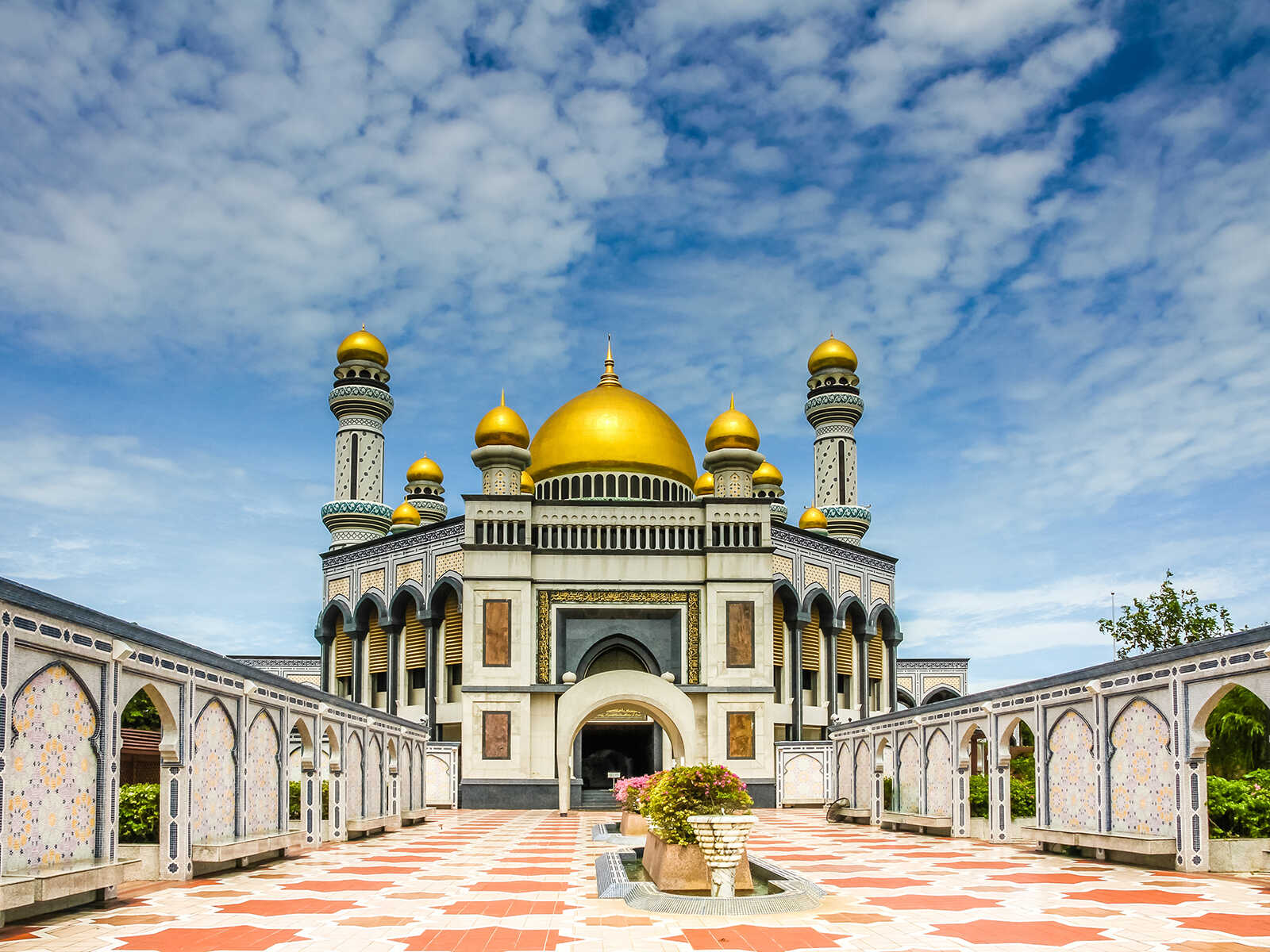
- Visiting Mosques:When visiting majestic structures like the Omar Ali Saifuddin Mosque or the Jame' Asr Hassanil Bolkiah Mosque, women must cover their hair, arms, and legs. Headscarves and robes are often provided at the entrance for visitors who are not adequately dressed. Men should wear long trousers and shirts with sleeves.
- Swimming/Beaches:While swimwear is acceptable at hotel pools or private beaches, it's best to cover up when walking to and from these areas.
Public Conduct and Social Graces
Do's and Don'ts in Public Spaces
- Pointing:Avoid pointing with your index finger. Instead, use your right thumb with your four fingers folded underneath, especially when pointing at people or places.
- Physical Affection:Public displays of affection (PDA) are generally frowned upon. Keep interactions discreet and respectful.
- Feet Etiquette:Never point the soles of your feet towards another person, a religious object, or a royal portrait, as this is considered highly offensive. When sitting, try to tuck your feet discreetly.
- Head Respect:The head is considered the most sacred part of the body. Avoid touching someone's head, even playfully, especially that of a child.
- Noise Levels:Maintain a moderate volume when speaking in public places.
Tip:Brunei observes daily prayer times. During these periods, especially Friday prayers, some businesses may close temporarily. Plan your itinerary accordingly, particularly on Fridays between 12 PM and 2 PM, when many shops and restaurants pause for congregational prayers.
Dining and Hospitality Etiquette
Bruneians are known for their hospitality. If you're invited into a local home, observe the following:
- Removing Shoes:Always remove your shoes before entering a Bruneian home or a mosque.
- Gifts:It's customary to bring a small gift for your host, such as fruits, sweets, or a souvenir from your home country. Avoid giving alcohol or non-halal food items.
- Serving and Eating:Always use your right hand for eating, passing food, or accepting anything. The left hand is considered unclean. Wait for the host or elder to begin eating before you do.
- Seating:Be mindful of where you sit. Avoid sitting in a position where the soles of your feet face other guests or any religious items.
- Food and Drink Restrictions:Brunei is a dry country. Alcohol is not publicly sold or consumed. Pork is also prohibited. Be respectful of these dietary laws, even if you see some non-Muslim residents consuming alcohol discreetly in private.
Respect for the Monarchy
The Sultan and the Royal Family hold a revered position in Bruneian society. Images of the Sultan and other royal family members are displayed prominently throughout the country, including in public buildings and private homes. Visitors should:
- Show Respect:Speak respectfully about the monarchy. Any criticism or disrespectful remarks are highly offensive and potentially illegal.
- Photography:While you can photograph royal portraits in public spaces like the Royal Regalia Museum, always be mindful and respectful.
Navigating Specific Bruneian Environments
Religious Sites
Beyond the dress code, remember to maintain a quiet and respectful demeanor within mosques. Photography is often permitted, but always ask for permission first, especially if photographing people. Avoid walking in front of someone who is praying.
Kampong Ayer – The Water Village
Visiting Kampong Ayer, the world's largest water village, offers a glimpse into traditional Bruneian life. While exploring this unique community, remember that these are people's homes. Be respectful of their privacy, ask permission before taking photos of individuals, and avoid littering.
Nature and National Parks
When exploring Brunei's stunning natural beauty, such as Ulu Temburong National Park, adhere to eco-tourism guidelines. Stay on marked trails, do not disturb wildlife, and carry out all your trash. Respect for the environment is implicitly part of respecting the country and its resources.
Language and Communication
The official language is Malay, but English is widely spoken and understood, especially in urban areas, tourist spots, and among younger generations. Learning a few basic Malay phrases like"Assalamualaikum"(peace be upon you - a common Islamic greeting),"Terima Kasih"(thank you), and"Maaf"(excuse me/sorry) will be greatly appreciated by locals.
Understanding Festivities and Holidays
Brunei observes several public holidays, many of which are religious (e.g., Hari Raya Aidilfitri, Hari Raya Aidiladha) or national (e.g., National Day). During these times, government offices and some businesses may be closed. It's a period of family gatherings and celebrations, often involving open houses where people visit friends and relatives. If you are fortunate enough to be invited to such an event, consider it an honor and follow the etiquette guidelines for visiting homes.
Conclusion
Brunei's charm lies not just in its pristine rainforests and opulent mosques, but profoundly in its gentle people and their adherence to a rich cultural tapestry. By making an effort to understand and respect Brunei's unique traditions and etiquette, visitors can ensure a meaningful and enriching experience, fostering genuine connections and memories in this tranquil corner of Southeast Asia.