
Is Brunei Safe for Tourists? Essential Safety Tips
Brunei Darussalam, often referred to as the "Abode of Peace," is a Southeast Asian gem known for its lush rainforests, grand mosques, and rich cultural heritage. Many travellers wonder about its safety, given its unique legal framework and cultural norms. The good news is that Brunei is widely considered one of the safest destinations in the region for tourists.
Brunei: A Haven of Tranquility and Safety
Brunei boasts a remarkably low crime rate, making it an exceptionally safe country for both residents and visitors. The government maintains a strong presence, and the community is generally peace-loving and respectful. Tourists can typically explore its cities and natural attractions with a high degree of confidence, encountering minimal issues related to personal safety or theft.
Understanding Local Laws and Culture
While Brunei is safe, it's crucial for tourists to understand and respect its local laws and cultural nuances. The country operates under a dual legal system, incorporating both common law and Sharia law. For tourists, the primary impact of Sharia law relates to public conduct, dress, and alcohol consumption.
Sharia Law and its Impact on Tourists
Brunei's Sharia Penal Code applies primarily to Muslims and certain offences, but some aspects can indirectly affect tourists. Key areas to be aware of include:
- Alcohol:Public consumption of alcohol is strictly prohibited.
- Modesty:Modest dress is expected in public spaces.
- Public Displays of Affection:Keep public displays of affection to a minimum.
- Religious Sensitivity:Be respectful of Islamic customs and places of worship.
Generally, as long as tourists adhere to these guidelines, they will find their visit smooth and enjoyable. The Bruneian people are known for their hospitality and understanding towards visitors.
Modesty and Dress Code
Dressing modestly is a sign of respect for local culture and customs in Brunei. While there isn't a strict dress code for tourists, it's advisable to:
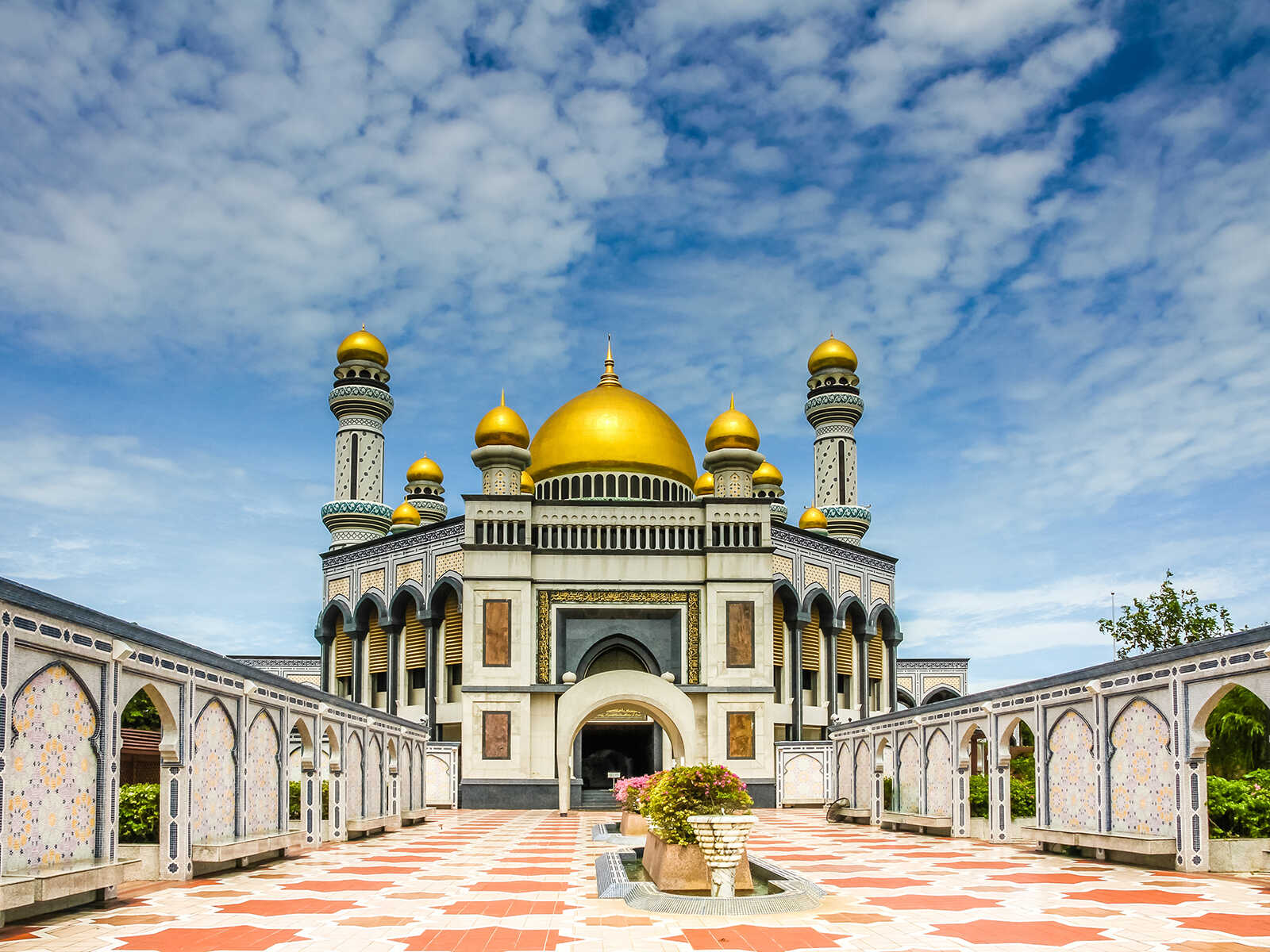
- For Women:Opt for clothing that covers shoulders and knees. Loose-fitting attire is generally preferred. When visiting religious sites like the magnificent Omar Ali Saifuddin Mosque or the equally grand Jame' Asr Hassanil Bolkiah Mosque, headscarves are often required and usually provided at the entrance.
- For Men:Long pants and shirts are generally appropriate. Sleeveless tops or very short shorts might be considered disrespectful in formal settings or religious sites.
Remember, comfortable, breathable fabrics are best given Brunei's tropical climate.
Alcohol and Public Behavior
Brunei is a 'dry' country in terms of public alcohol sales and consumption. Non-Muslim tourists and residents over 18 are permitted to import a limited amount of alcohol for personal consumption within private residences. This typically includes two bottles of liquor (up to 2 litres each) and 12 cans of beer (up to 330ml each) per entry, with at least 48 hours between imports. Public consumption or being intoxicated in public is illegal and can lead to severe penalties. Similarly, drug offences carry very harsh penalties, including the death sentence, so extreme caution is advised.
Fun Fact:Brunei has no income tax, sales tax, or VAT. This contributes to a high standard of living for its citizens and a unique economic environment.
Common Safety Concerns and How to Mitigate Them
While Brunei is very safe, it's always wise to be aware of general travel precautions.
Petty Crime (Rare but Possible)
Instances of petty crime like pickpocketing or bag snatching are extremely rare in Brunei. However, it's always good practice to:
- Keep an eye on your belongings, especially in crowded areas.
- Avoid displaying large amounts of cash or expensive jewellery.
- Use hotel safes for valuables when not needed.
Violent crime against tourists is virtually unheard of.
Road Safety and Transportation
Brunei's roads are generally well-maintained, and traffic flow is usually smooth outside of peak hours in the capital, Bandar Seri Begawan. Driving standards are reasonable, but care should be taken:
- Driving:If you plan to rent a car, be aware that Bruneians drive on the left-hand side of the road.
- Taxis & Ride-Sharing:Taxis are available, and ride-sharing apps are becoming more popular. Always ensure you agree on a fare or confirm the meter is used.
- Water Taxis:Exploring the unique water village of Kampong Ayer often involves water taxis. These are generally safe, but ensure the boat appears well-maintained and life jackets are available if you have concerns.
Pedestrian infrastructure can be limited in some areas, so always be vigilant when walking near roads.
Health and Medical Facilities
Brunei boasts excellent medical facilities, particularly in Bandar Seri Begawan, with modern hospitals and well-trained staff. However, medical services can be expensive for non-citizens.
- Travel Insurance:Comprehensive travel insurance that covers medical emergencies, evacuation, and repatriation is highly recommended.
- Basic Precautions:Drink bottled water, protect yourself from mosquitoes (especially when venturing into areas like Ulu Temburong National Park), and practice good hand hygiene to prevent common travel-related illnesses.
- Prescription Medications:If you need specific medications, bring enough for your trip and carry a doctor's note to avoid any issues at customs.
Natural Hazards
Brunei is located in a tropical region and is prone to high temperatures, humidity, and heavy rainfall, especially during the monsoon season. While significant natural disasters are rare, it's wise to:
- Stay hydrated and protect yourself from the sun.
- Be aware of potential flash floods during heavy downpours.
- If exploring rainforests, like those in Ulu Temburong National Park, follow park guidelines, hire experienced guides, and be mindful of local wildlife and insects.
Essential Safety Tips for a Smooth Trip
Before You Go
- Research & Visas:Check current visa requirements for your nationality well in advance.
- Travel Insurance:Arrange comprehensive travel insurance.
- Document Copies:Keep digital and physical copies of your passport, visa, and insurance details separate from the originals.
- Emergency Contacts:Note down your embassy/consulate contact details.
While You're There
- Respect Local Customs:Always be mindful of local traditions and dress codes, especially when visiting religious sites or government buildings like the vicinity of the Royal Regalia Museum.
- Stay Informed:Keep an eye on local news or government travel advisories.
- Emergency Numbers:Know how to contact local emergency services.
- Photography:Always ask for permission before photographing individuals, especially women. Be discreet when taking photos in religious sites.
- Be Mindful:While Brunei is safe, always use common sense, especially at night or in unfamiliar areas.
Emergency Contacts
In case of an emergency, here are the vital numbers:
- Police:993
- Ambulance:991
- Fire & Rescue:995
The Verdict: Travel to Brunei with Confidence
Brunei is an exceptionally safe destination for tourists, offering a peaceful and enriching travel experience. By understanding and respecting the local laws and cultural norms, and applying general common sense travel precautions, visitors can enjoy everything this unique sultanate has to offer without significant safety concerns. Prepare for a journey filled with genuine hospitality, stunning architecture, and pristine nature, all within a remarkably secure environment.