
Best Time to Visit Brunei: Weather, Events & Travel Tips
Brunei Darussalam, the "Abode of Peace," offers a unique blend of natural beauty, rich culture, and stunning Islamic architecture. Planning your trip around its distinct weather patterns and vibrant local events can significantly enhance your experience in this captivating Southeast Asian nation.
Understanding Brunei's Tropical Climate
Brunei experiences a consistent equatorial climate characterized by high temperatures, humidity, and abundant rainfall throughout the year. Located just north of the equator, there are no distinct seasons in the traditional sense, but rather periods of relatively drier or wetter weather. The average daily temperature hovers around 27-32°C (81-90°F), with humidity often above 80%.
The "Dryer" Season: March to September
While Brunei doesn't have a truly dry season, the months fromMarch to Septembergenerally see slightly less rainfall and more sunshine compared to the rest of the year. This period is often considered the most favorable time for visitors.
- Weather:Expect warm, sunny days interspersed with occasional short, heavy rain showers. The showers are usually refreshing and don't last long, allowing you to quickly resume your activities.
- Activities:This period is ideal for exploring Brunei's natural wonders. Trekking through the pristine rainforests of Ulu Temburong National Park, enjoying the Canopy Walk, or taking boat trips along the Brunei River to spot proboscis monkeys are particularly enjoyable when the weather is clearer. It's also a great time for exploring the water village of Kampong Ayer and visiting the majestic mosques without the interruption of heavy downpours.
The "Wetter" Season: October to February
The months fromOctober to Februarytypically mark Brunei's wetter period, influenced by the Northeast Monsoon.
- Weather:This season brings more frequent and prolonged rainfall, though sunny spells are still common. While downpours can be intense, they rarely last all day, meaning your travel plans don't need to be entirely put on hold.
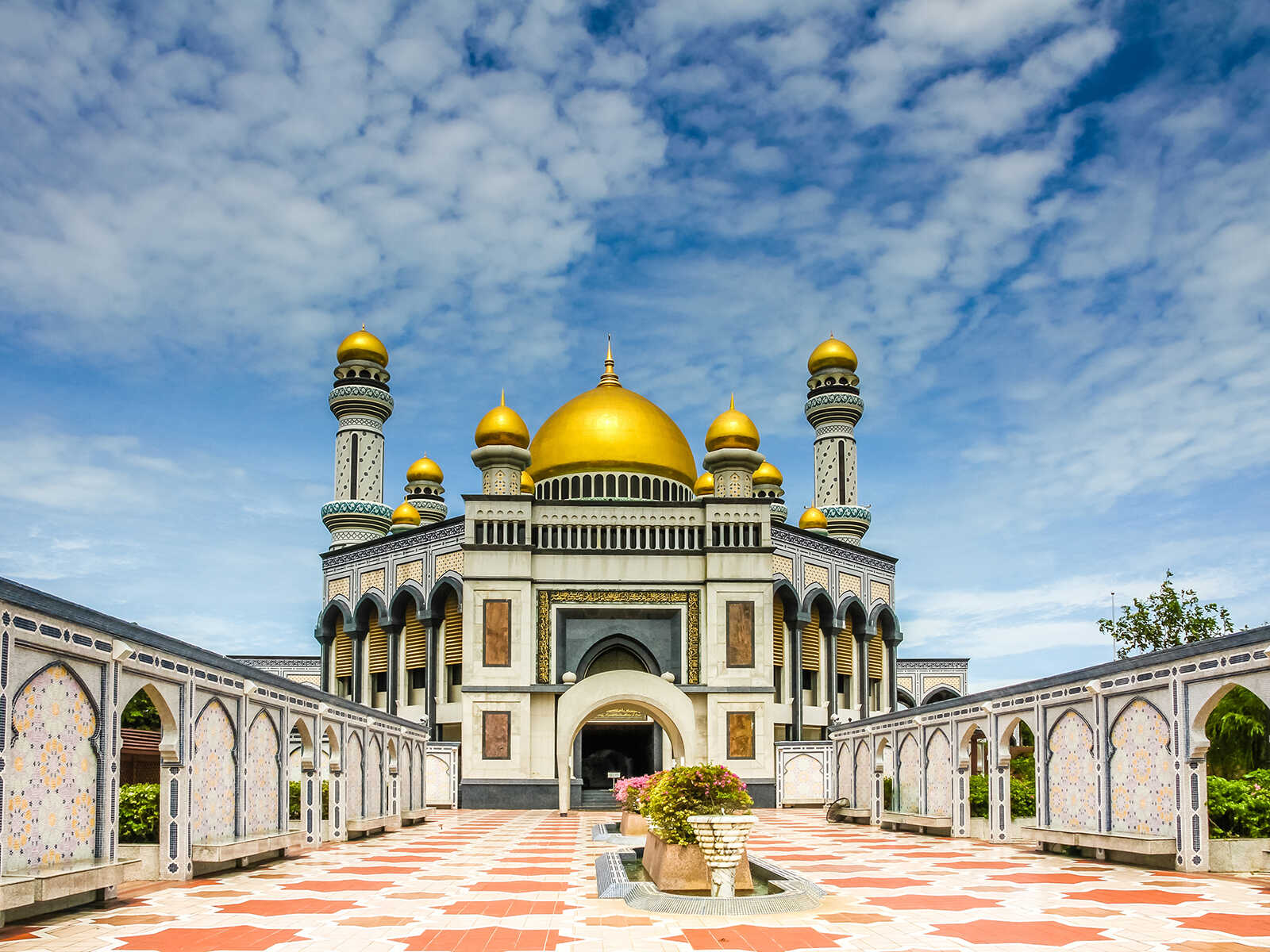
- Activities:Even during the wetter months, there's plenty to do. Indoor attractions like the Royal Regalia Museum, which showcases the Sultan's regalia, or the architectural marvels of the Omar Ali Saifuddin Mosque and the Jame' Asr Hassanil Bolkiah Mosque remain excellent options. Exploring local markets and sampling Bruneian cuisine are also perfectly viable. For nature enthusiasts, the rainforest is lush and vibrant after the rain, offering a different kind of beauty, though some trails might be muddier.
Fun Fact:Brunei experiences two monsoon seasons. The Northeast Monsoon (approximately December to March) brings more rain to the northern coast, while the Southwest Monsoon (approximately May to September) affects the southern regions, though its impact on tourism is generally less pronounced than the Northeast Monsoon.
Brunei's Annual Events and Festivals
Incorporating local events into your itinerary can add a unique cultural dimension to your visit. Brunei is an Islamic nation, and many of its major holidays follow the lunar calendar, meaning their dates shift each year.
Key National Celebrations
- National Day (February 23):A significant public holiday celebrating Brunei's independence. Expect parades, cultural performances, and patriotic displays, particularly in the capital, Bandar Seri Begawan. This can be a vibrant time to visit, but also expect some road closures and larger crowds.
- Sultan's Birthday (July 15):This is arguably the most important national celebration, honoring His Majesty Sultan Hassanal Bolkiah. The entire country comes alive with festivities, including parades, elaborate decorations, and public appearances by the royal family. Planning your visit around this date offers a chance to witness grand cultural spectacles, but booking accommodations and tours well in advance is highly recommended.
Islamic Holidays
These holidays are observed according to the Islamic lunar calendar, so their Gregorian dates vary annually. They are periods of deep religious significance and cultural observance.
- Hari Raya Aidilfitri (Eid al-Fitr):Marks the end of Ramadan, the month of fasting. This is a joyous occasion with family gatherings, feasting, and open houses (Istana Nurul Iman, the Sultan's palace, traditionally holds an open house for several days, offering a unique opportunity for visitors to greet the Sultan and royal family). Many businesses may have reduced hours during this time.
- Hari Raya Aidiladha (Eid al-Adha):The Festival of Sacrifice, another important religious holiday.
- Maulidur Rasul (Prophet Muhammad's Birthday):Celebrated with religious processions and gatherings.
Visiting during Islamic holidays can be a profoundly enriching cultural experience, but it's important to be mindful of local customs and dress codes. Check specific dates well in advance if you plan your trip around these events.
Best Time for Specific Activities
Outdoor Adventures & Nature Exploration
For activities like jungle trekking, river cruises, or exploring Ulu Temburong National Park, thedryer months from March to Septemberare generally preferred. Less rain means clearer trails, more comfortable trekking conditions, and better visibility for wildlife spotting. However, even in the "wetter" season, guided tours to Temburong still operate, often providing rain ponchos and adapting to conditions.
City Sightseeing & Cultural Immersion
Exploring Bandar Seri Begawan's iconic landmarks like the Omar Ali Saifuddin Mosque, the Jame' Asr Hassanil Bolkiah Mosque, the Royal Regalia Museum, and the water village of Kampong Ayer is possible year-round. While the dryer months offer more comfortable walking temperatures, the occasional rain showers in the wetter season can be a welcome relief from the heat. Many city attractions are indoors or have good shelter, making them suitable for any weather.
Essential Travel Tips for Brunei
Packing Essentials
- Lightweight Clothing:Pack breathable, light fabrics like cotton or linen due to the high humidity.
- Modest Attire:Brunei is a conservative Muslim country. Women should pack clothing that covers shoulders and knees, especially when visiting religious sites. Men should also opt for trousers over shorts in such contexts.
- Rain Gear:A lightweight rain jacket or umbrella is a must, regardless of the season, for unexpected tropical showers.
- Comfortable Footwear:For exploring cities and nature trails.
- Sun Protection:Sunscreen, hat, and sunglasses are essential.
- Insect Repellent:Especially for jungle excursions.
Health and Safety
- Stay Hydrated:Drink plenty of water to combat the humidity and heat.
- Respect Local Customs:Be mindful of Islamic traditions and dress codes. During Ramadan, avoid eating, drinking, or smoking in public during fasting hours.
- Photography:Always ask permission before photographing people, especially at religious sites.
Getting Around
Taxis are available but can be expensive. Ride-sharing apps are becoming more popular. For a unique experience, water taxis are a common way to navigate the Brunei River and visit Kampong Ayer.
Accommodation
Book your accommodation in advance, especially if traveling during national holidays or peak tourist periods (generally the dryer season).
Conclusion
Brunei Darussalam is a captivating destination that offers unique experiences throughout the year. While the"dryer" season from March to Septemberis often recommended for those seeking maximum sunshine for outdoor adventures, the"wetter" season from October to Februaryalso has its charm, with lush landscapes and fewer crowds. Ultimately, the best time to visit Brunei depends on your priorities: whether you wish to immerse yourself in grand national celebrations, explore pristine rainforests, or simply soak in the serene cultural atmosphere. With careful planning and an understanding of its tropical climate, Brunei promises an unforgettable journey any time you choose to visit.