
Rio de Janeiro vs. Salvador: Choosing Your Ideal Brazilian City Adventure
Brazil, a land of captivating rhythms and breathtaking landscapes, offers an unparalleled travel experience. When planning your Brazilian adventure, two iconic cities often stand out as must-visit destinations: the vibrant metropolis of Rio de Janeiro and the soulful historical gem of Salvador. Both cities promise an unforgettable journey, but they offer distinct flavors of Brazilian culture, history, and natural beauty.
Deciding between Rio and Salvador can be a delightful dilemma, as each city boasts its own unique charm and appeal. This guide will delve into what makes each destination special, helping you determine which city best aligns with your travel style and interests.
Culture and History: From Colonial Grandeur to Afro-Brazilian Roots
Rio de Janeiro: Iconic Landmarks and Modern Vibrancy
Rio de Janeiro, often called the "Cidade Maravilhosa" (Marvelous City), is a city defined by its dramatic natural setting and iconic landmarks. Its history stretches back to the Portuguese colonial era, but it truly blossomed as the capital of Brazil for nearly two centuries, leaving behind a legacy of grand architecture and European influence. Today, Rio is a bustling modern city, famous for its lively samba scene, world-renowned Carnival, and a cosmopolitan energy.
Visitors can explore neighborhoods like Lapa, with its historic aqueduct and vibrant nightlife, or witness the grandeur of the Municipal Theater. The city's history is interwoven with its natural beauty, creating a unique urban tapestry.
Salvador: The Heart of Afro-Brazilian Culture
Salvador, the first capital of Brazil, offers a profoundly different historical and cultural experience. It is the epicenter of Afro-Brazilian culture, a legacy deeply rooted in the transatlantic slave trade. This heritage is palpable in every corner of the city, from its distinct cuisine to its religious practices and musical traditions.
The historic center, Pelourinho, is a UNESCO World Heritage site, a kaleidoscope of brightly colored colonial buildings, cobblestone streets, and baroque churches. Here, you'll encounter the rhythmic beats of Olodum, the spiritual ceremonies of Candomblé, and the martial art-dance of capoeira. Salvador is often referred to as "Black Rome" due to its strong African influence and numerous churches, making it a powerful destination for cultural immersion.
Fun Fact:Salvador's Pelourinho district was named after the "pillory" or whipping post, where enslaved people were punished. Today, it stands as a symbol of resilience and vibrant cultural expression.
Beaches and Nature: Urban Shores vs. Tropical Escapes
Rio de Janeiro: Legendary Beaches and Lush Mountains
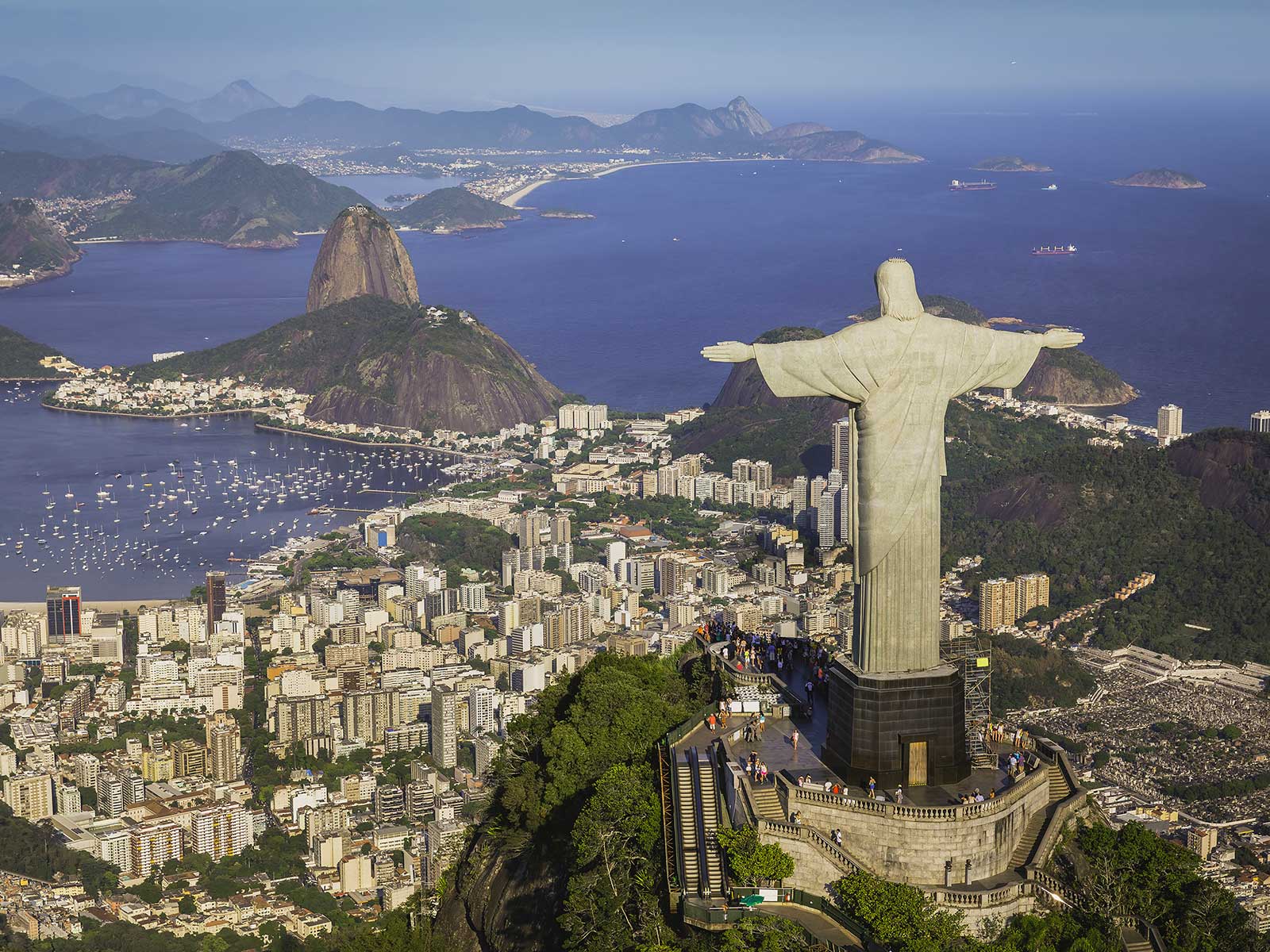
Rio de Janeiro is synonymous with its spectacular urban beaches.CopacabanaandIpanemaare more than just stretches of sand; they are vibrant social hubs, places to see and be seen, offering stunning views and a lively atmosphere. Beyond the famous beaches, Rio's natural beauty extends to its dramatic mountains. The iconicSugarloaf Mountainoffers panoramic vistas of Guanabara Bay, whileCorcovado Mountainis home to the majestic Christ the Redeemer statue, one of the New Seven Wonders of the World.
The city is also blessed with the vastTijuca Forest, one of the world's largest urban rainforests, providing opportunities for hiking and reconnecting with nature just minutes from the city center.
Salvador: Historic Coasts and Island Retreats
Salvador's beaches offer a more laid-back charm compared to Rio's bustling shores.Porto da Barrais a favorite for its calm, clear waters and stunning sunsets, often considered one of the best urban beaches in the world. The coast around theFarol da Barra(Barra Lighthouse) is popular for swimming and enjoying the sea breeze.
For those seeking more secluded natural beauty, Salvador serves as a gateway to stunning nearby islands and coastal towns. Day trips to places like Ilha dos Frades or Praia do Forte offer pristine beaches, natural pools, and a chance to experience the tranquil beauty of the Bahian coastline away from the city's hustle.
Food and Drink: Culinary Delights
Rio de Janeiro: Diverse Flavors and Feijoada
Rio's culinary scene is as diverse as its population. You'll find everything from traditional Brazilian comfort food to sophisticated international cuisine. A must-try isfeijoada, a hearty black bean and meat stew, often served on Wednesdays and Saturdays.Churrascarias(Brazilian steakhouses) offer an endless parade of grilled meats, while street vendors serve up delicious snacks likepão de queijo(cheese bread) and refreshing coconut water. The iconiccaipirinha, Brazil's national cocktail, is ubiquitous and essential for a true Rio experience.
Salvador: Afro-Brazilian Gastronomy
Salvador's food scene is a vibrant testament to its African heritage, blending indigenous, African, and Portuguese influences. The flavors are distinct, often featuring palm oil (dendê), coconut milk, and seafood. The most famous street food isacarajé, a deep-fried bean cake split and filled with shrimp, vatapá (a creamy shrimp paste), and caruru (okra stew). Other essential dishes includemoqueca(a rich seafood stew cooked in coconut milk and dendê oil) andvatapáitself. Dining in Salvador is a deep dive into unique, aromatic, and flavorful Bahian cuisine.
Nightlife and Entertainment: Samba vs. Axé
Rio de Janeiro: Electric Samba and Cosmopolitan Parties
Rio's nightlife is legendary, catering to every taste. The bohemian neighborhood of Lapa is the heart of samba, with live music spilling out of bars and clubs onto the streets beneath the iconic Arcos da Lapa. From sophisticated rooftop bars in Ipanema to bustling nightclubs in Zona Sul, Rio offers an electric energy that pulses until the early hours. During Carnival, the city transforms into the world's largest party, with parades, street blocks, and balls.
Salvador: Rhythmic Axé and Cultural Performances
Salvador's nightlife has a more localized and rhythmic character, deeply intertwined with its musical traditions. The Pelourinho often comes alive at night with street performances, live music, and intimate bars where you can experience the infectious beat ofAxémusic or traditional samba de roda. While perhaps less overtly glamorous than Rio, Salvador's evenings offer an authentic and deeply cultural experience, often involving impromptu dancing and communal celebrations.
Safety and Practicalities: Navigating Both Cities
Both Rio and Salvador are major Brazilian cities, and like any large urban center, they require visitors to exercise common sense and awareness regarding safety. It's advisable to research specific neighborhoods, avoid displaying expensive items, and use reputable transportation. Portuguese is the official language, though English is spoken in tourist areas. Transportation is readily available in both cities, with ride-sharing apps, taxis, and public transport options.
Who Should Choose Which City?
Choose Rio de Janeiro if you are looking for:
- Iconic Landmarks:You want to see world-famous sights like Christ the Redeemer, Sugarloaf Mountain, Copacabana, and Ipanema.
- High Energy and Glamour:You thrive in a bustling, cosmopolitan environment with a vibrant party scene.
- Diverse Experiences:You want a mix of beaches, mountains, urban exploration, and lively nightlife.
- Epic Events:You plan to visit during Carnival or New Year's Eve for massive celebrations.
Choose Salvador if you are looking for:
- Deep Cultural Immersion:You want to explore the roots of Afro-Brazilian culture, history, and spirituality.
- Authentic Vibe:You prefer a city with a strong sense of identity, traditional music, and unique cuisine.
- Historical Charm:You're drawn to colonial architecture, cobblestone streets, and a tangible past.
- Relaxed Coastal Beauty:You prefer calmer beaches and access to serene island getaways like Ilha dos Frades or coastal retreats like Praia do Forte.
Conclusion: Two Sides of a Beautiful Coin
Rio de Janeiro and Salvador offer two distinct, yet equally captivating, facets of Brazil. Rio dazzles with its natural beauty, iconic status, and modern energy, while Salvador enchants with its deep cultural heritage, spiritual rhythms, and historical charm. Your ideal Brazilian city adventure ultimately depends on what kind of experience you seek.
Whether you dream of samba on Copacabana beach or exploring the vibrant history of Pelourinho, both cities promise an unforgettable journey filled with warmth, music, and the infectious spirit of Brazil. Better yet, if time allows, why not experience the magic of both?