
Major Festivals in Brazil: Celebrating Life, Music & Dance
Brazil, a country synonymous with rhythm and revelry, truly comes alive through its myriad festivals. These vibrant celebrations are not just events; they are profound expressions of culture, faith, and the Brazilian spirit, drawing millions of participants and spectators alike. From the pulsating beats of samba to the rustic charm of folk traditions, Brazil offers an unforgettable festival experience.
Carnival: The Heartbeat of Brazil
Undoubtedly the most famous and spectacular of all Brazilian festivals, Carnival is a pre-Lent explosion of color, music, and dance that grips the nation. While the dates vary each year, typically falling in February or early March, the energy is universally infectious. Each region offers a distinct flavor of this grand celebration.
Rio de Janeiro: The Iconic Spectacle
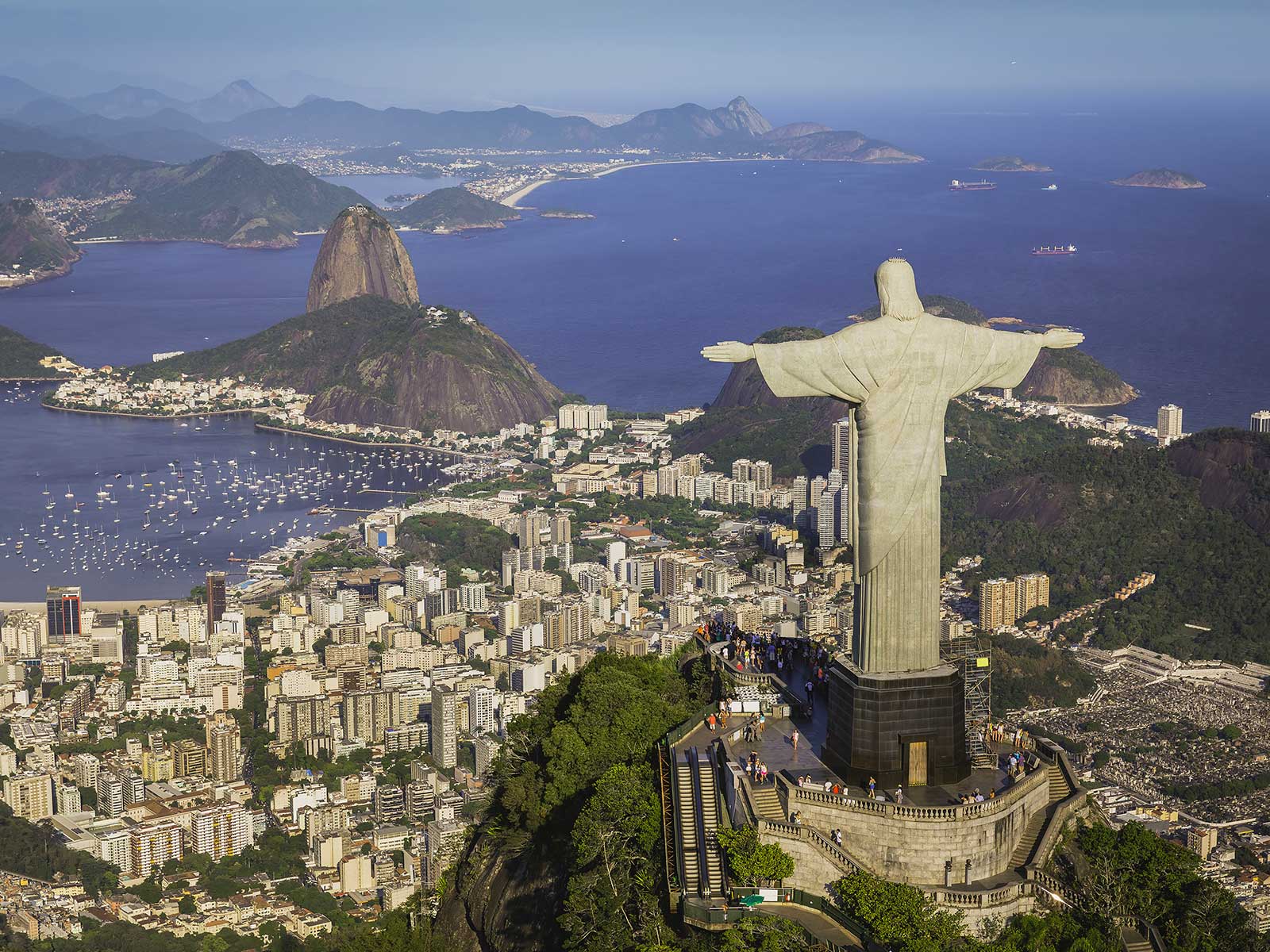
Rio's Carnival is globally renowned for its breathtaking Samba School Parades at the Sambadrome, a purpose-built stadium designed by Oscar Niemeyer. Here, elite samba schools compete in a dazzling display of elaborate costumes, floats, and mesmerizing choreography. Beyond the official parades, Rio’s streets come alive with hundreds of "blocos" (street parties), offering a more spontaneous and interactive experience. Visitors often combine their Carnival experience with a visit to iconic landmarks like Christ the Redeemer, offering panoramic views of the city.
Salvador: The Electric Trio Experience
In Salvador, Bahia, Carnival is an entirely different beast. It's an enormous street party where "blocos" are led by "trio elétricos" – massive trucks equipped with sound systems and live bands, driving through the city streets. Revelers dance in dedicated cordoned-off areas (camarotes) or freely in the "pipoca" (popcorn) crowd. The Afro-Brazilian roots are palpable here, with strong influences of axe music and traditional dances.
Travel Tip:If planning to attend Carnival, especially in Rio or Salvador, book accommodations and flights well in advance, as prices soar and availability becomes scarce.
Olinda & Recife: Folkloric Charm
For a more traditional, folkloric Carnival, the sister cities of Olinda and Recife in Pernambuco offer a unique experience. Olinda is famous for its giant puppets (bonecos de Olinda) parading through its colonial streets, while Recife boasts the "Galo da Madrugada" (Rooster of Dawn), one of the world's largest street parades. The music here is predominantly Frevo, a fast-paced, energetic style accompanied by distinctive brass bands.
Festa Junina: A Rustic Charm
Held throughout June, Festa Junina (June Festival) celebrates the winter harvest and the Catholic saints São João (Saint John), Santo Antônio (Saint Anthony), and São Pedro (Saint Peter). This festival offers a delightful contrast to Carnival's glitz, focusing on rural traditions, communal gatherings, and hearty food.
The Northeast of Brazil is the epicenter of Festa Junina, with cities like Campina Grande and Caruaru hosting massive celebrations. Expect bonfires, square dancing (quadrilha) where participants dress in traditional country attire, folk music (forró), and an abundance of corn-based delicacies like pamonha, canjica, and bolo de milho (corn cake). It’s a wonderfully authentic glimpse into Brazilian interior culture.
Parintins Folklore Festival: Boi-Bumbá
Deep in the Amazon, on an island near Manaus, the city of Parintins hosts the spectacular Boi-Bumbá festival in late June. This unique cultural event is a passionate competition between two rival folklore groups, Garantido (the red ox) and Caprichoso (the blue ox). Over three nights, they tell the legend of a resurrected ox through elaborate floats, costumes, music, and dance, blending indigenous, African, and European influences. It's an incredible display of Amazonian artistry and storytelling.
Réveillon: New Year's Eve Celebrations
Brazil welcomes the New Year with unparalleled fervor, particularly on its stunning beaches. The Réveillon celebration on Copacabana Beach in Rio de Janeiro is world-famous, featuring one of the largest fireworks displays globally, accompanied by live music. Millions gather, often dressed in white (a tradition symbolizing peace and good luck), making offerings of flowers to Iemanjá, the Afro-Brazilian goddess of the sea. Other popular spots include the beaches of Salvador and Florianópolis, each with their own unique flair.
Religious Festivals: Deeply Rooted Traditions
Religious devotion plays a significant role in Brazilian culture, giving rise to several important festivals.
- Festa do Bonfim (Salvador):Held in January, this syncretic festival in Salvador, Bahia, celebrates Nosso Senhor do Bonfim (Our Lord of the Good End), a manifestation of Jesus Christ, intertwined with the Afro-Brazilian deity Oxalá. Hundreds of Bahian women in traditional white dresses walk eight kilometers to wash the steps of the Bonfim Church with perfumed water. While in Salvador, visitors can explore the vibrant culture of the city and its surrounding areas, perhaps taking a day trip to places like Praia do Forte or the idyllic Ilha dos Frades.
- Círio de Nazaré (Belém):In October, the city of Belém in the Amazon state of Pará hosts one of the largest Catholic processions in the world. Millions of devotees participate in a massive procession carrying a statue of Our Lady of Nazareth, often walking barefoot as a sign of penance and devotion. It's a powerful display of faith and community.
Beyond the Big Names: Other Notable Festivals
Brazil's festival calendar is rich and diverse, extending far beyond the major events:
- Oktoberfest Blumenau:In the southern state of Santa Catarina, the city of Blumenau hosts the second-largest Oktoberfest in the world outside of Germany. This German-influenced festival in October features traditional music, food, beer, and folk dances, reflecting the strong European heritage of the region.
- Festival de Gramado:Held in August in the charming mountain town of Gramado, Rio Grande do Sul, this is one of Latin America's most prestigious film festivals, showcasing Brazilian and Latin American cinema.
- Festivals of Capoeira and Samba:Throughout the year, various cities host festivals dedicated to specific cultural art forms like Capoeira (Afro-Brazilian martial art and dance) and Samba, offering deep dives into their history and practice.
Practical Tips for Attending Brazilian Festivals
To make the most of your festival experience in Brazil, consider these practical tips:
- Book Early:Especially for Carnival and Réveillon, flights and accommodation sell out months in advance and prices are at their peak.
- Stay Hydrated:Brazil's climate can be hot and humid. Drink plenty of water.
- Stay Safe:Be aware of your surroundings, especially in crowded areas. Keep valuables secure and avoid walking alone at night.
- Embrace the Local Culture:Learn a few Portuguese phrases, try local foods, and participate in the dances. Brazilians are incredibly welcoming!
- Pack Light:Comfortable shoes are essential for all the dancing and walking. Light, breathable clothing is advisable.
- Sun Protection:Sunscreen, hats, and sunglasses are a must.
Conclusion
Brazilian festivals are more than just parties; they are a window into the soul of a nation that celebrates life with unparalleled passion. Whether you're drawn to the grand spectacle of Carnival, the rustic charm of Festa Junina, or the unique cultural narratives of the Amazon, Brazil offers a festival experience that is vibrant, diverse, and utterly unforgettable. Prepare to be swept away by the music, dance, and infectious joy that defines these incredible celebrations.