
Is Brazil Safe for Tourists? Essential Tips for a Secure Trip
Brazil, a land of vibrant culture, breathtaking landscapes, and infectious energy, calls to millions of travelers each year. While concerns about safety are common for any international destination, understanding and preparing for potential risks can ensure your Brazilian adventure is both exhilarating and secure.
Navigating Safety in Brazil: A Realistic Perspective
Brazil often makes headlines for its crime rates, which can naturally raise questions for prospective visitors. It's crucial, however, to differentiate between general crime statistics and the specific experiences of tourists. Like many major global destinations, Brazil's urban centers, particularly, have areas with higher crime rates, but tourist zones are generally more patrolled and geared towards visitor safety. The vast majority of travelers experience no issues, enjoying the country's unparalleled beauty and hospitality.
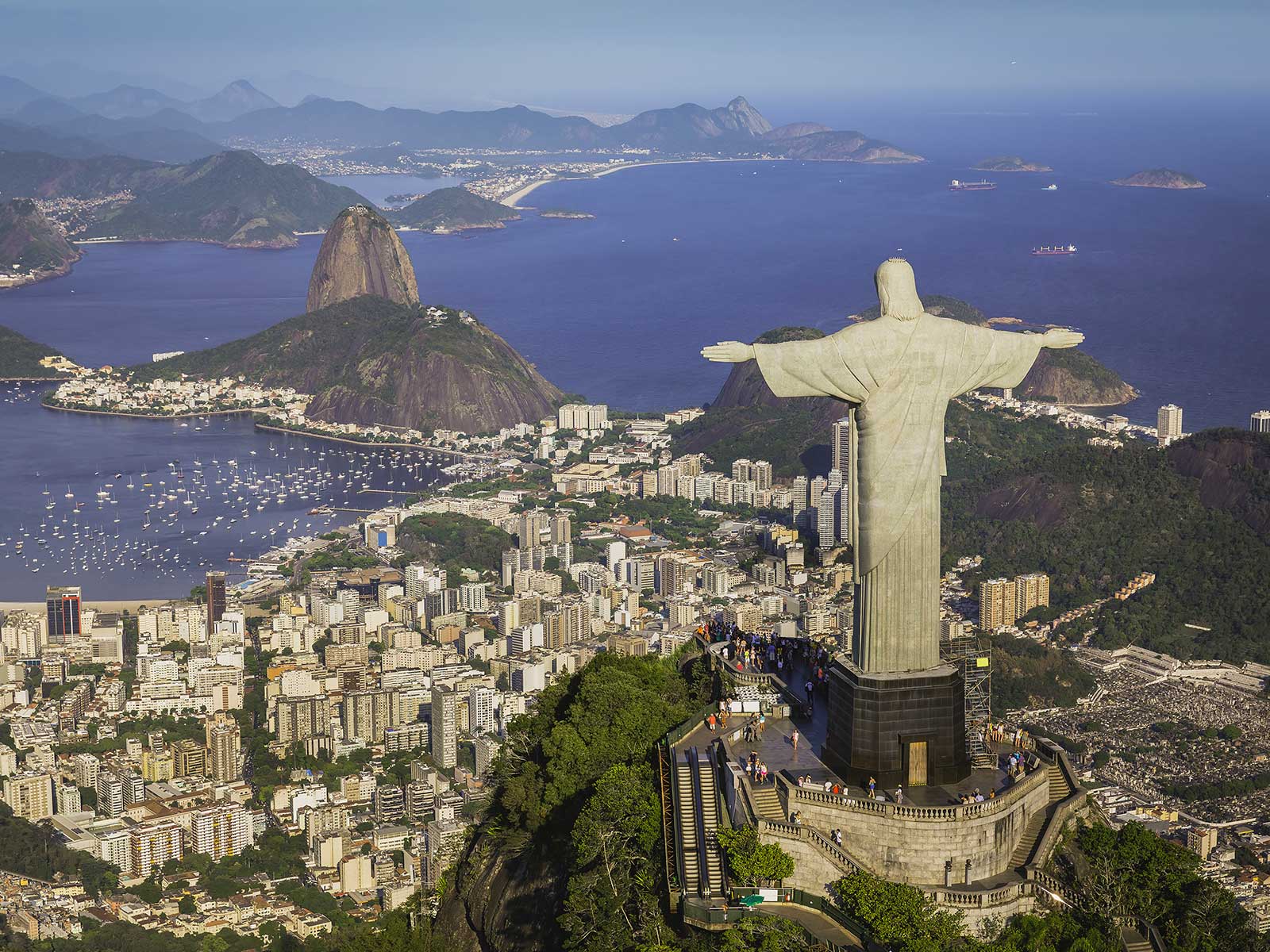
The key to a safe trip lies not in avoiding Brazil altogether, but in being informed, vigilant, and prepared. With smart precautions, you can confidently explore everything from the iconic Christ the Redeemer in Rio de Janeiro to the wildlife-rich plains of the Pantanal.
Common Safety Concerns for Tourists
While serious violent crime is less common for tourists, it's wise to be aware of the most prevalent issues:
- Petty Theft:Pickpocketing, bag snatching, and phone theft are the most frequent concerns, especially in crowded areas, on public transport, and at popular tourist sites.
- Scams:Tourists can be targeted by various scams, such as inflated taxi fares, fake police officers, or elaborate distractions designed to facilitate theft.
- Credit Card Fraud:Skimming devices at ATMs or card readers can be an issue.
- Public Transportation:While generally safe during the day in major cities, certain bus routes or metro stations can be riskier, especially at night.
- Nightlife:Overindulgence in alcohol or drugs can make tourists vulnerable. Drink spiking can occur.
Essential Tips for a Secure Trip
Before You Go
- Research Your Destinations:Understand the specific safety considerations for each city or region you plan to visit. Some areas are safer than others, even within the same city.
- Travel Insurance:Invest in comprehensive travel insurance that covers medical emergencies, theft, and trip cancellations. This is non-negotiable.
- Vaccinations and Health:Consult your doctor about recommended vaccinations (e.g., Yellow Fever) and necessary precautions for mosquito-borne illnesses like Dengue, Zika, and Chikungunya. Bring adequate insect repellent.
- Copies of Documents:Keep digital and physical copies of your passport, visa, flight tickets, and hotel reservations separate from the originals.
- Inform Your Bank:Notify your bank of your travel plans to avoid card suspension due to unusual international activity.
While You're There: Everyday Vigilance
The best defense is a proactive approach to personal safety and situational awareness.
Be Discreet with Valuables:
- Don't Flaunt Wealth:Avoid wearing expensive jewelry, watches, or designer accessories. Leave them at home.
- Minimize What You Carry:Take only essential items when you go out. Leave passports, extra cash, and credit cards securely locked in your accommodation. Carry a copy of your passport instead.
- Secure Your Phone:Be extremely cautious with your smartphone, especially in public. Avoid using it openly on busy streets, and never place it on a table at a cafe. Consider a dummy phone for quick photos.
- Backpack Placement:On crowded buses, metros, or in busy markets, wear your backpack on your front.
"In Brazil, it's often said that if someone wants your belongings, it's safer to hand them over without resistance. Valuables can be replaced; your safety cannot."
Managing Your Money:
- Use ATMs Wisely:Opt for ATMs inside banks or reputable shopping malls during business hours. Avoid isolated street ATMs, especially at night. Check for skimming devices before inserting your card.
- Carry Small Bills:Have small denominations of Brazilian Reais (BRL) for everyday purchases and tips. This avoids flashing larger notes.
- Multiple Payment Methods:Divide your money and credit cards into different locations (e.g., a secure money belt, a wallet, and a separate hidden pocket).
Transportation Safety:
- Official Taxis and Ride-Sharing:Always use official, licensed taxis or reputable ride-sharing apps (like Uber or 99). Avoid unmarked cabs or accepting rides from strangers.
- Public Transport at Night:Exercise extra caution on public buses or metros after dark. Consider taxis or ride-shares for late-night travel.
- Research Routes:If using public transport, know your route in advance and try to avoid neighborhoods known for higher crime rates.
Nightlife and Socializing:
- Stay Aware:Don't leave drinks unattended. Be wary of overly friendly strangers who might try to distract you or spike your drink.
- Travel in Groups:Whenever possible, especially at night, go out with friends.
- Know Your Limits:Excessive alcohol consumption impairs judgment and makes you an easier target.
Health and Natural Hazards
- Sun Protection:The Brazilian sun is intense. Use high-SPF sunscreen, wear a hat, and seek shade during peak hours.
- Hydration:Drink plenty of bottled or filtered water to prevent dehydration.
- Mosquitoes:Especially in rural or tropical areas like the Pantanal or coastal regions, mosquitoes can carry diseases. Use repellent diligently, wear long sleeves and pants at dawn/dusk, and sleep under mosquito nets if provided.
- Tap Water:Do not drink tap water in Brazil. Stick to bottled water.
Emergency Preparedness
- Emergency Contacts:Know the local emergency numbers (Police: 190, Ambulance: 192, Fire: 193). Save your embassy or consulate's contact information.
- Basic Portuguese Phrases:Learning a few key phrases can be invaluable in an emergency or for daily interactions.
- What to Do if Robbed:Do not resist. Hand over your belongings calmly. Your life and safety are paramount. Report the incident to the police as soon as possible.
Safety in Specific Brazilian Destinations
While general tips apply everywhere, some locations have unique considerations:
- Rio de Janeiro:Be extra vigilant on beaches (Copacabana, Ipanema), at major tourist attractions like Christ the Redeemer, and in crowded street parties. Avoid wandering into favelas without an organized, reputable tour.
- Salvador & Northeast Coast:The vibrant culture of Salvador, and the serene beaches of Praia do Forte and Ilha dos Frades, are generally welcoming. However, be mindful of your belongings in crowded markets and historical centers.
- Amazon & Pantanal:These natural wonders are generally very safe for tourists, especially when traveling with reputable tour operators and experienced guides who understand the local environment and wildlife. The primary concerns here relate to natural hazards and following guide instructions.
Brazil is a country of immense beauty and warmth, and with a sensible approach to safety, you can have an unforgettable and secure journey. By staying aware, taking precautions, and trusting your instincts, you'll be well-equipped to enjoy the magic of this incredible nation.