
Brazilian Street Art and Graffiti: A Visual Guide to Urban Culture
Brazil's vibrant cities are living canvases, pulsating with an extraordinary explosion of street art and graffiti that tells stories of culture, struggle, and joy. This visual guide will take you through the heart of Brazil's urban art scene, revealing the powerful narratives etched onto its walls and the artists behind them.
The Heartbeat on the Walls: An Introduction to Brazilian Street Art
Brazilian street art is more than mere decoration; it's a dynamic form of expression deeply interwoven with the nation's social, political, and cultural fabric. From the sprawling murals that adorn favela walls to the intricate tags hidden in bustling downtowns, this art form serves as a powerful voice, reflecting the soul of its communities and challenging conventional perceptions of public space.
Rooted in the counter-culture movements of the 1970s and 80s, influenced by American hip-hop and local political dissent, Brazilian graffiti evolved rapidly. It moved beyond simple tagging to embrace complex muralism, often incorporating elements of indigenous folklore, Afro-Brazilian heritage, and sharp social commentary. Today, it stands as a testament to Brazilian creativity and resilience, attracting global attention and transforming urban landscapes into open-air galleries.
Key Cities for Experiencing Urban Art
While street art thrives across Brazil, certain cities stand out as epicenters of this vibrant movement, offering unparalleled visual journeys.
São Paulo: The Global Canvas
Often considered the capital of Brazilian street art, São Paulo is a sprawling metropolis where art bursts from every corner. The city's gray concrete expanses have become a magnet for both local and international artists, resulting in a rich tapestry of styles and techniques.
- Beco do Batman (Batman's Alley): Located in the Vila Madalena neighborhood, this iconic alley is a must-visit. Its walls are in a constant state of flux, with new works emerging regularly. It's an ever-evolving outdoor gallery showcasing a diverse range of styles, from abstract to figurative.
- Vila Madalena and Pinheiros: Beyond Beco do Batman, these neighborhoods are brimming with murals and smaller pieces, making them perfect for a leisurely stroll.
- Avenida Paulista and Centro: Even in the financial heart and historic center, you'll find significant works, often larger-scale murals that speak to the city's complex identity.
Rio de Janeiro: Art Amidst Stunning Landscapes
Rio de Janeiro offers a spectacular backdrop for street art, where vibrant murals often contrast with breathtaking natural scenery. The city's art scene is characterized by its energy and the way it integrates with the unique favela communities.
- Olympic Boulevard (Porto Maravilha): Home to Eduardo Kobra's monumental "Etnias" mural, one of the largest graffiti murals in the world, created for the 2016 Olympic Games. This area transformed into a major cultural hub.
- Santa Teresa: This bohemian neighborhood, with its charming cobblestone streets, is dotted with various smaller pieces and murals, often reflecting the area's artistic spirit.
- Favela Art Projects: Many favelas, like Vidigal and Santa Marta, have embraced street art as a tool for community empowerment and beautification, turning their homes into vibrant, colorful statements.
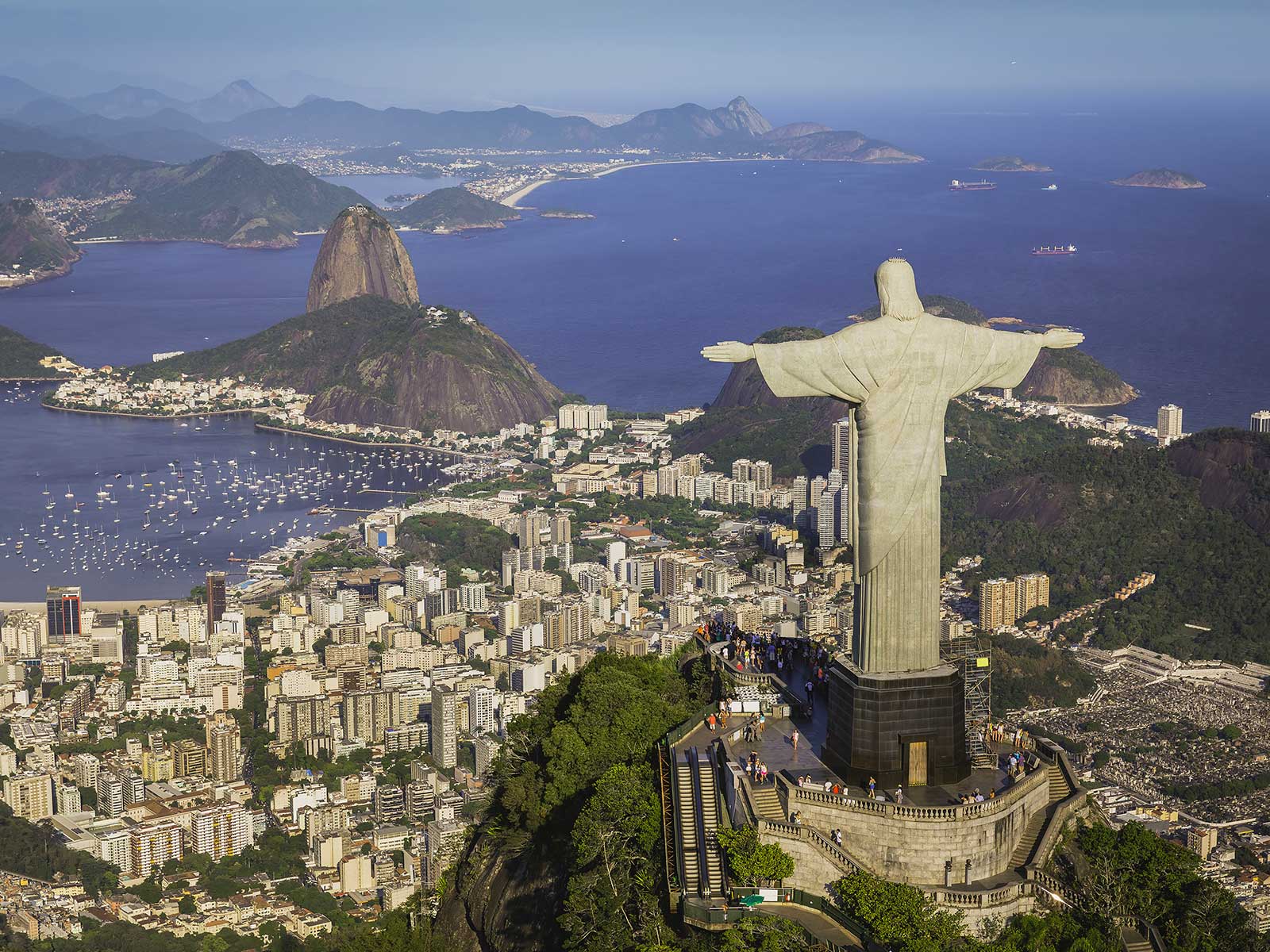
When exploring Rio, the contrast between the intricate urban art and landmarks like Christ the Redeemer provides a unique perspective on the city's multifaceted culture.
Salvador: The Afro-Brazilian Canvas
In Salvador, the heart of Afro-Brazilian culture, street art often tells stories of heritage, spirituality, and resistance. The Pelourinho district, a UNESCO World Heritage site, is not just about colonial architecture; its surrounding areas and even some historical walls display art deeply influenced by Candomblé, capoeira, and the fight for racial equality.
- Pelourinho and Santo Antônio Além do Carmo: Explore the vibrant streets to find murals that celebrate Afro-Brazilian identity, often with rich symbolism and bold colors.
Tip for Travelers:Many cities offer guided street art walking tours. These tours often provide historical context, introduce you to local artists, and ensure you discover hidden gems you might otherwise miss.
Themes and Styles: A Kaleidoscope of Expression
Brazilian street art is incredibly diverse in its themes and styles, mirroring the country's own cultural complexity:
- Social and Political Commentary: Many artists use their work to address issues like inequality, environmental concerns, political corruption, and human rights.
- Afro-Brazilian and Indigenous Culture: Celebrating ancestral roots, these works often feature symbols, deities, and figures from African and indigenous mythologies.
- Nature and Fauna: Given Brazil's rich biodiversity, it's common to find murals depicting vibrant flora and fauna, often with an environmental message.
- Abstract and Geometric: Some artists prefer non-representational forms, using bold colors and intricate patterns to create visually striking pieces.
- Figurative and Portraiture: From whimsical characters to powerful portraits of everyday people, many murals capture the human experience.
Meet the Masters: Iconic Brazilian Street Artists
Brazil has produced world-renowned street artists whose works transcend local boundaries:
- Os Gêmeos (Otávio and Gustavo Pandolfo): Twin brothers from São Paulo, they are arguably Brazil's most famous street artists. Their distinctive yellow-skinned characters, often adorned with traditional Brazilian patterns, weave surreal narratives that blend folklore, dreams, and social critique. Their work can be seen globally.
- Eduardo Kobra: Known for his massive, vibrant, and kaleidoscopic murals, Kobra's signature style involves geometric patterns and bold colors that create stunning portraits of historical figures and cultural icons. His "Etnias" mural in Rio de Janeiro is a prime example of his monumental vision.
- Speto: Blending traditional Brazilian folk art, hip-hop culture, and surrealism, Speto's unique style often features elongated figures and intricate patterns, drawing inspiration from Brazilian cordel literature.
- Crânio: With his signature blue indigenous characters wearing gas masks, Crânio offers sharp, often humorous, critiques of consumerism, environmental destruction, and modern society.
Understanding the Urban Canvas: Graffiti vs. Street Art
While often used interchangeably, "graffiti" and "street art" have distinct nuances in Brazil.Pichaçãorefers to the distinctive, often cryptic, calligraphy-like tags found predominantly in São Paulo, often done in hard-to-reach places, seen by many as a form of urban protest or territorial marking.Graffitiusually refers to more elaborate letter-based works, whilestreet artencompasses a broader range of artistic expressions like murals, stencils, stickers, and installations.
The legality of street art varies by municipality and context. While unauthorized tagging (pichação) is generally illegal and controversial, many cities have embraced and even commissioned street art, recognizing its cultural value and potential for urban revitalization. This official endorsement has fostered a vibrant ecosystem where artists can create large-scale works with permission, transforming public spaces into celebrated landmarks.
Practical Tips for Exploring Brazil's Street Art
To make the most of your visual journey through Brazil's urban art scene, consider these practical tips:
- Explore on Foot: The best way to discover street art is by walking. Many pieces are tucked away in alleys or on side streets.
- Join a Guided Tour: Especially in cities like São Paulo and Rio, specialized street art tours offer insights into the art, artists, and local culture.
- Stay Aware of Your Surroundings: As with any urban exploration, be mindful of your personal belongings and surroundings, especially in less touristy areas.
- Respect the Art and the Artists: Avoid touching or defacing artwork. Remember that many pieces are created by artists who pour their heart and soul into their work.
- Carry a Camera: You'll want to capture the incredible detail and scale of these artworks.
- Look Up!: Sometimes the most impressive pieces are high above street level.
Fun Fact:Brazilian Portuguese has a unique term, "grafiteiro," specifically for a graffiti artist, highlighting the distinct cultural recognition of this art form in the country.
Conclusion: Brazil's Walls Speak Volumes
Brazilian street art and graffiti offer an unparalleled window into the nation's soul. It's a powerful narrative told through color, form, and message, reflecting the country's rich history, diverse population, and dynamic challenges. Exploring these urban canvases provides not just aesthetic pleasure but a deeper understanding of Brazil's complex and captivating urban culture. So, next time you're in a Brazilian city, remember to look beyond the obvious landmarks and discover the vibrant stories waiting on every wall.