
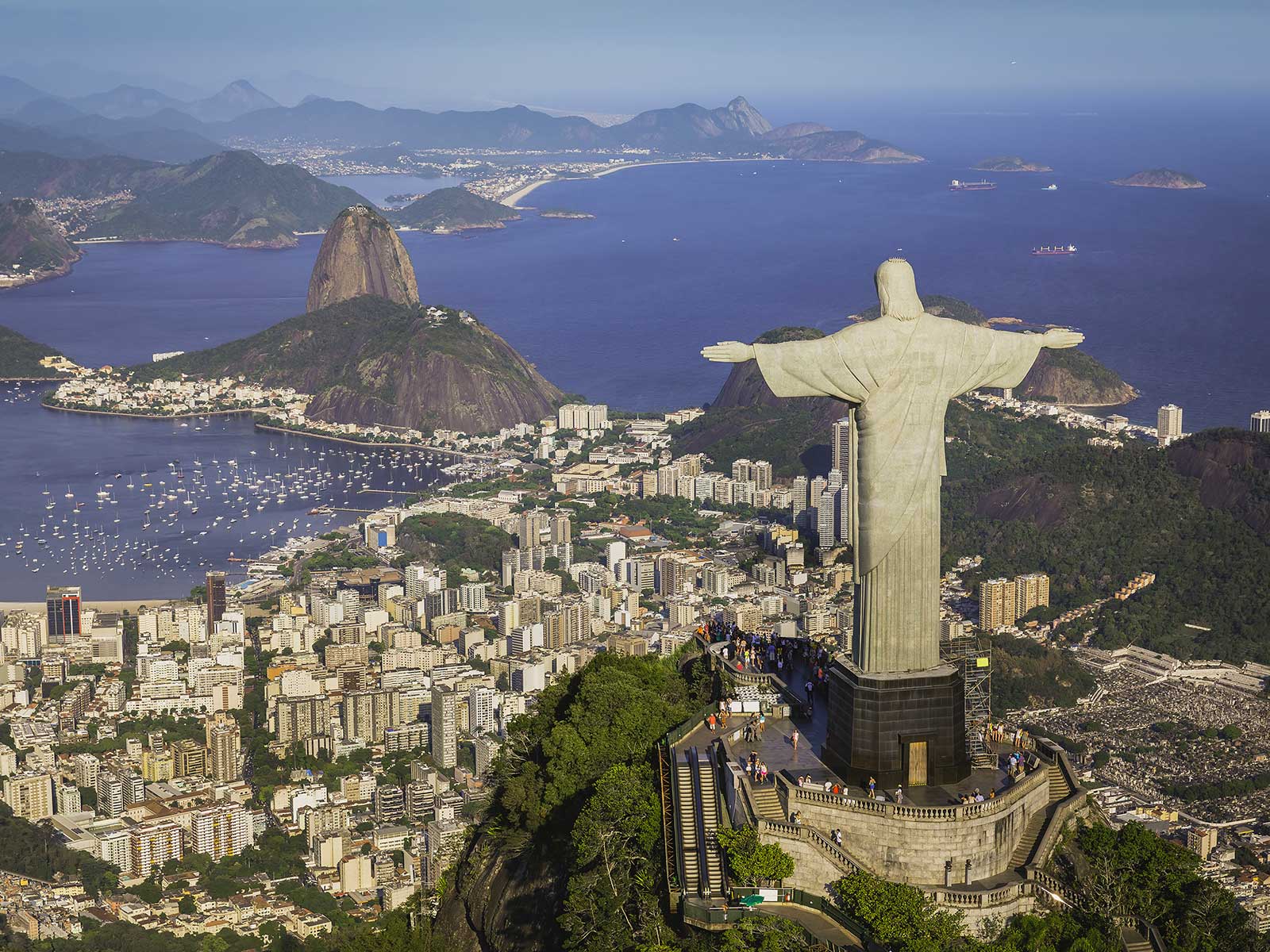
Best Time to Visit Brazil: A Month-by-Month Guide
Brazil, a land of immense natural beauty and vibrant culture, offers a diverse range of experiences from its Amazon rainforest to its bustling cities and stunning coastlines. Deciding the best time to visit this South American giant largely depends on your desired activities and the specific regions you plan to explore, as its vastness encompasses multiple climate zones.
Understanding Brazil's Climate Zones
Brazil's continental scale means its climate varies significantly by region. The north, including the Amazon, experiences a hot, humid equatorial climate year-round with distinct wet and dry seasons. The central and northeast regions are tropical, often hot, with a rainy season (generally summer) and a drier period. The south, closer to temperate zones, has more defined seasons, with cooler winters and hot summers, making it feel more like Europe or North America.
General Best Times to Visit
While Brazil can be visited year-round, many consider the shoulder seasons to be ideal.April to MayandSeptember to Octoberoften offer pleasant weather across much of the country, fewer crowds than peak season, and more moderate prices. The peak tourist season runs from December to March, coinciding with summer, major holidays, and Carnival, bringing higher prices and larger crowds, especially in coastal areas.
Travel Tip:Always consider your primary interest! If wildlife spotting in the Pantanal is key, the dry season (June-October) is best. For beach lovers, the summer months (December-March) are popular, despite the heat and humidity.
Brazil Month-by-Month Guide
January
January is peak summer in Brazil, characterized by hot, humid weather across most of the country. Coastal cities like Rio de Janeiro and Salvador are bustling with tourists enjoying the beaches and post-New Year's festivities. The Amazon region is in its wet season, leading to higher river levels perfect for boat excursions, but also more mosquitoes. The south is hot and sunny, ideal for beach holidays.
February
February continues the hot, humid summer trend, but it's most famous forCarnival, which usually falls in this month (or early March). Cities like Rio, Salvador, and Olinda explode with vibrant parades and street parties. Expect massive crowds, inflated prices, and intense heat. If you're not there for Carnival, consider quieter regions or postpone your trip.
March
Often still warm and humid, March sees the tail end of summer and, sometimes, Carnival. As the month progresses, rainfall tends to increase in the southeast and south, marking a transition towards autumn. Crowds begin to thin out after Carnival, making it a good time to visit popular attractions like Christ the Redeemer with fewer people.
April
April is a fantastic shoulder season month. The intense summer heat begins to subside, and rainfall lessens in many regions, particularly the southeast and south. The weather is generally pleasant, and the crowds are noticeably smaller. It's an excellent time for city exploration, cultural tours, and enjoying the beaches before the cooler months set in. The Pantanal starts to dry out, improving wildlife viewing conditions.
May
May is another excellent shoulder season month with comfortable temperatures and dwindling rain across much of Brazil. It's a great time to visit for outdoor activities, hiking, and exploring cities without the stifling heat or peak-season crowds. The dry season in the Amazon and Pantanal is well underway, making these regions more accessible for wildlife tours.
June
June marks the beginning of winter in Brazil, though "winter" in many parts means mild, pleasant days. The south experiences cooler temperatures, sometimes requiring a light jacket. In the northeast and central regions, it's generally dry and sunny, making it prime time for wildlife safaris in the Pantanal.Festa Junina(June Festivals) are celebrated nationwide, particularly in the northeast, offering a unique cultural experience.
July
July is a popular month for domestic tourism due to school holidays. The weather remains dry and pleasant in the central and northeast regions, ideal for exploring. The Amazon's dry season makes forest treks easier. The south can be quite cool, especially inland. While not peak international season, expect some localized crowds, particularly at family-friendly destinations.
August
August continues the dry, comfortable weather trend across much of Brazil. It's often considered one of the best months for wildlife spotting in the Pantanal as animals congregate around dwindling water sources. The northeast beaches, including places like Praia do Forte, enjoy abundant sunshine and pleasant sea temperatures. Temperatures in the south start to slowly rise.
September
September ushers in spring, bringing warmer temperatures and beautiful blooms, particularly in the south. It's another excellent shoulder season month with comfortable weather nationwide and fewer crowds than the summer. It's a great time for exploring national parks, cities, and enjoying the beaches before the peak season rush begins.
October
October is a wonderful month to visit Brazil. Spring is in full swing, with increasingly warm temperatures and relatively low humidity. It’s an ideal time for beach holidays along the northeast coast, including tranquil spots like Ilha dos Frades, and for exploring the vibrant cities. Rainfall might start to increase towards the end of the month in some southern areas as summer approaches.
November
November sees temperatures rising steadily across the country as Brazil heads towards summer. While rain showers might become more frequent, especially in the south and southeast, they are usually short-lived. It’s a great month to visit before the intense heat and holiday crowds of December, offering good value and pleasant conditions for most activities.
December
December marks the beginning of summer and the peak tourist season. The weather is hot and humid, especially in coastal areas. Christmas and New Year's celebrations (Réveillon) are massive events, particularly in cities like Rio de Janeiro, with spectacular fireworks. Expect high demand for accommodation and flights, significant crowds, and premium prices. If you plan to visit Christ the Redeemer during this time, consider booking tickets well in advance.
Key Considerations When Planning Your Trip
- Crowds & Festivals:Major events like Carnival and New Year's attract huge crowds and drive up prices significantly. Plan well in advance if these are your focus.
- Activities:Your primary interest (beach, rainforest, city, wildlife) will heavily influence the best time to visit specific regions.
- Budget:Shoulder seasons (April-May, September-October) generally offer a better balance of good weather, fewer crowds, and more moderate prices compared to the peak summer months.
- Regional Focus:Brazil is vast. Research the specific regions you plan to visit, as the "best time" can vary dramatically from north to south.
Ultimately, the "best time to visit Brazil" is subjective and depends on your personal preferences and itinerary. By understanding the country's diverse climate and regional variations, you can plan a trip that perfectly aligns with your travel dreams, ensuring a memorable Brazilian adventure at any time of the year.