
Tsodilo Hills: Exploring Botswana's UNESCO World Heritage Site
Deep within the Kalahari Desert, a cluster of four majestic hills rises dramatically from the flat landscape, shrouded in mystery and ancient history. Known as Tsodilo Hills, this extraordinary site in northwestern Botswana is a UNESCO World Heritage treasure, revered as the "Louvre of the Desert" and a profound spiritual home for the San people.
The Spiritual Heart of the Kalahari
Tsodilo Hills is not merely a geological wonder; it is a repository of human history, a sacred place where spirits are said to reside, and an open-air art gallery showcasing thousands of rock paintings. Comprising four main hills – known as Female, Male, Child, and a smaller, unnamed fourth hill – the site covers approximately 48 square kilometers and boasts one of the highest concentrations of rock art in the world. For the indigenous San people, the hills are an ancestral home, a place of worship, and a site of creation where humanity first emerged.
In 2001,Tsodilo Hills was inscribed as a UNESCO World Heritage Site, recognized for its exceptional cultural significance. This designation acknowledges not only the immense artistic value of its rock paintings but also its enduring spiritual importance to local communities, making it a living cultural landscape rather than just an archaeological site.
The San people believe Tsodilo Hills is the place where the First People knelt in prayer after the creation of the world. The Male Hill is seen as the resting place of God, while the Female Hill is home to the spirits of the ancestors.
A Gallery of Ancient Art: The Rock Paintings
The true magic of Tsodilo lies in its estimated 4,500 rock paintings, meticulously preserved on the sheer rock faces and within sheltered caves. These artworks span a timeline of at least 100,000 years, offering an unparalleled glimpse into the lives, beliefs, and environments of early human inhabitants. The paintings are predominantly found on the Female and Male Hills, with a rich diversity of styles and subjects.
The art can generally be categorized into two main styles: the older "Red Paintings" and the more recent "White Paintings." The Red Paintings, often more abstract and symbolic, depict animals such as rhino, giraffe, zebra, and antelope, alongside human figures engaged in hunting, dancing, and ritualistic activities. The White Paintings, on the other hand, are typically more detailed and narrative, often showing interactions between humans and animals, geometric patterns, and mythical creatures.
Each painting tells a story, acting as a historical record, a spiritual guide, or a teaching tool. They illustrate the San people's deep connection to nature, their hunting practices, social structures, and complex spiritual world. The vibrant pigments, derived from natural minerals, have withstood the test of time, allowing visitors today to marvel at these ancient masterpieces.
Key Painting Sites to Explore
- Female Hill:This is the most accessible and popular hill for visitors, home to the famous Rhino Cave and the Depression Site.Rhino Cavefeatures a striking painting of a white rhino, believed to be one of the oldest known rock art depictions in Africa, alongside various other animals and geometric patterns. TheDepression Siteboasts numerous human figures, often depicted in trance dances.
- Male Hill:The tallest of the four, Male Hill offers breathtaking panoramic views and a challenging hike. It hosts fewer but equally significant paintings, including a large, powerful depiction of an African white rhino.
- Child Hill:Smaller and less explored, this hill also holds a collection of ancient art, though access can be more challenging.
- The Fourth Hill:The smallest and most remote, it offers a more rugged experience for intrepid explorers.
Visitors are typically guided along well-marked trails that lead to the most significant rock art panels, ensuring minimal impact on this delicate heritage site.
Beyond the Art: Culture and Lore
The cultural significance of Tsodilo extends far beyond its visual art. For thousands of years, the hills have been a central place for the San and Hambukushu communities. Oral traditions speak of the hills as a place of refuge, a source of water, and a sacred sanctuary where ancestors and deities reside. The San believe the hills are the birthplace of all life, where the first spirits emerged from a sacred pool on Male Hill.
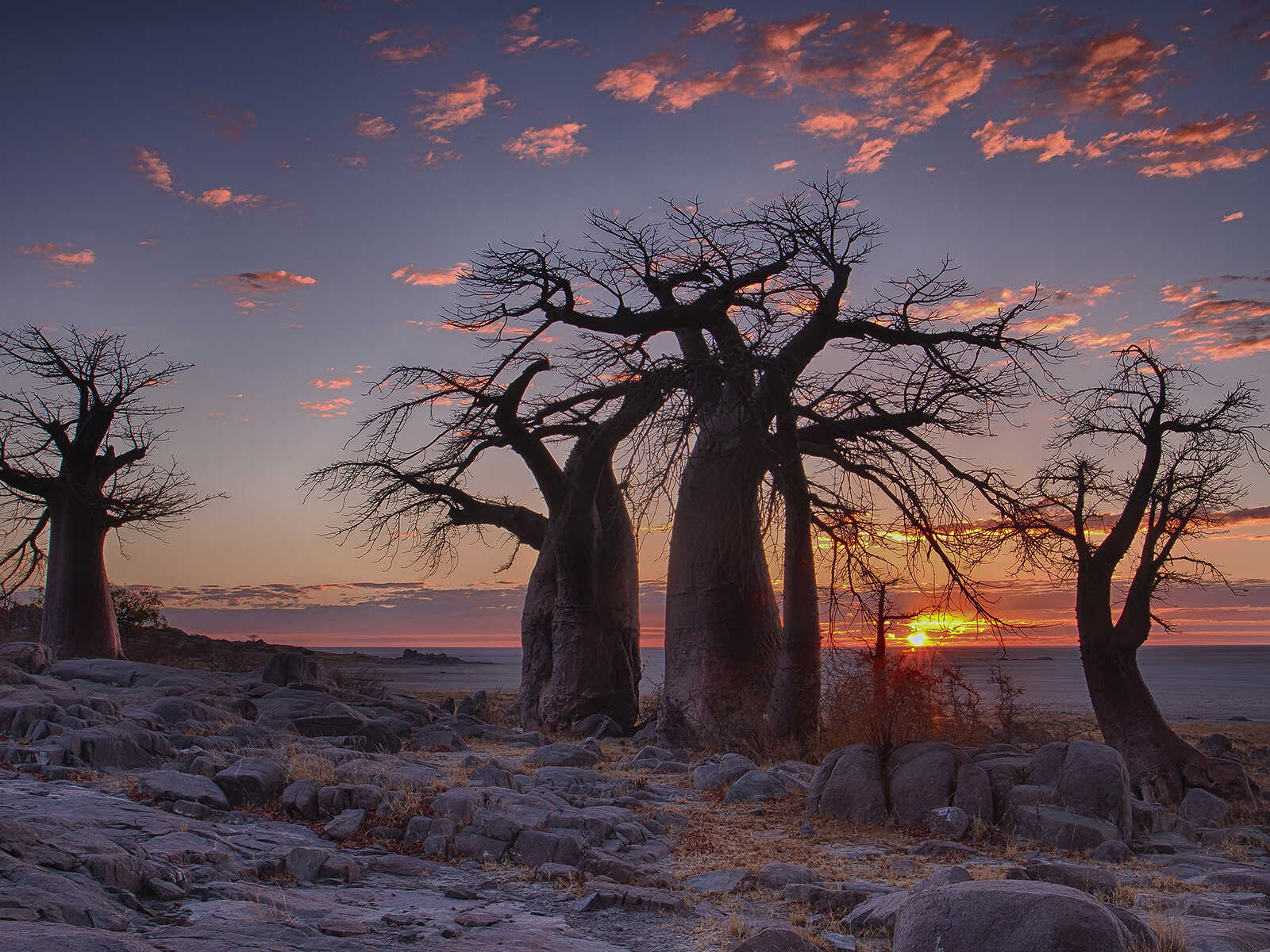
Every rock, every crevice, and every cave holds a story or a spiritual meaning. The sheer presence of the hills, especially at sunrise or sunset when they glow with an ethereal light, is deeply moving. Visitors often report a profound sense of peace and wonder, a feeling of stepping back in time to connect with ancient wisdom.
Planning Your Visit to Tsodilo Hills
Visiting Tsodilo Hills is an adventure into Botswana's wild heart. It requires careful planning due to its remote location and limited facilities, but the reward is an unparalleled cultural and historical experience.
Getting There
Tsodilo Hills is located in northwest Botswana, approximately 40 km west of Shakawe, a small town on the Okavango Delta Panhandle. Access to the site is typically via a sandy, sometimes challenging, dirt track from Shakawe. A4x4 vehicle is essential, especially during the wet season when roads can become impassable. The journey itself is part of the adventure, traversing remote landscapes that give a true sense of Botswana's vastness.
Accommodation and Facilities
The site offers a basic, well-maintained campsite with ablution blocks (toilets and showers) and running water, though facilities are rustic. There are no lodges or luxury accommodations directly at Tsodilo Hills, emphasizing a self-sufficient and authentic experience. Visitors are encouraged to bring all necessary supplies, including food, water, and fuel.
For those preferring more comfort, Shakawe provides a few guesthouses and lodges, serving as a convenient base from which to launch day trips to the hills.
Guided Tours and Conservation
Upon arrival, visitors are required to register at the small office and engage a local guide. These guides, often from the San community, possess invaluable knowledge of the hills, the rock art, and the cultural significance of the site. Their insights enhance the experience immensely, bringing the ancient stories and beliefs to life. Mandatory guiding ensures not only visitor safety but also the preservation of the delicate rock art and respect for the sacred nature of the site.
Conservation is paramount at Tsodilo Hills. Visitors are strictly prohibited from touching the paintings, littering, or disturbing any aspect of the natural environment. Adhering to these rules helps protect this irreplaceable heritage for future generations.
Best Time to Visit
The dry season (May to October) is generally the best time to visit Tsodilo Hills. The weather is cooler and drier, making road conditions more manageable and hiking more comfortable. The wet season (November to April) brings lush greenery and dramatic skies but can present challenges with muddy roads and higher temperatures.
What to Bring
- Plenty of water and food:Self-sufficiency is key.
- Fuel:Ensure your vehicle is fully fueled before leaving Shakawe.
- Sturdy walking shoes:For navigating the rocky trails.
- Sun protection:Hat, sunscreen, and sunglasses are essential.
- Camera:To capture the stunning landscapes and art (flash photography is usually prohibited near the paintings).
- Camping gear:If you plan to stay overnight at the campsite.
- Insect repellent:Especially during warmer months.
Combining Tsodilo Hills with Other Botswana Adventures
A visit to Tsodilo Hills seamlessly integrates into a broader northern Botswana itinerary. Its proximity to the Okavango Delta and Chobe National Park makes it an ideal cultural addition to a wildlife safari. Many travelers combine a mokoro trip through the delta's waterways or a game drive in Chobe with a profound journey to the spiritual hills. This combination offers a holistic experience of Botswana's natural beauty and rich cultural heritage.
Respecting the Heritage
Tsodilo Hills is more than a tourist attraction; it is a profound living monument. Responsible tourism is crucial. Engage respectfully with your guides, follow all instructions, and leave no trace of your visit. By doing so, you contribute to the preservation of this extraordinary site and honor the indigenous cultures that have safeguarded it for millennia.
Conclusion
Tsodilo Hills offers a unique opportunity to connect with an ancient past and experience a place of deep spiritual significance. It is a journey for the soul, a chance to witness humanity's earliest artistic expressions, and to understand the enduring bond between people and their land. For those seeking an authentic and enriching travel experience in Botswana, Tsodilo Hills stands as an unforgettable testament to human creativity and the power of heritage.