
The Ultimate Guide to Botswana Wildlife: What You'll See on Safari
Botswana stands as a beacon of responsible tourism and pristine wilderness, offering an unparalleled safari experience. From the lush waterways of the Okavango Delta to the arid expanses of the Kalahari, this Southern African gem promises incredible wildlife encounters. Prepare to discover the diverse creatures that call Botswana home, making every safari a journey of discovery.
Why Botswana is a Premier Wildlife Destination
Botswana's unwavering commitment to low-volume, high-value tourism has preserved its ecosystems, resulting in thriving wildlife populations and uncrowded safari experiences. Its varied landscapes, from permanent wetlands to vast deserts, support an astonishing array of species, ensuring a dynamic and unique safari every time you visit. This dedication to conservation means you're experiencing truly wild Africa.
Iconic Wildlife Encounters: The Big Five and Beyond
While the "Big Five" (lion, leopard, elephant, rhino, buffalo) remain a highlight for many safari-goers, Botswana offers so much more. The country excels in providing sightings of rare predators and unique desert-adapted species, making every game drive an adventure.
The Big Five
- Lions:Botswana boasts healthy lion populations, particularly in areas like the Okavango Delta,Moremi Game Reserve, and Chobe National Park, where prides are often seen hunting, interacting, or simply resting in the shade. The black-maned lions of the Central Kalahari Game Reserve are especially sought after.
- Leopards:Elusive and solitary, leopards are common across many regions, though their camouflaged nature makes sightings thrilling. Look for them gracefully draped over tree branches or slinking through dense bush, particularly around dusk or dawn.
- Elephants:Chobe National Park is world-renowned for having the largest elephant population in Africa, with herds of hundreds often seen along the Chobe River. These gentle giants are also abundant in the Okavango Delta and Linyanti regions.
- Rhinos:Both black and white rhinos are present, thanks to dedicated conservation efforts, notably at the Khama Rhino Sanctuary and within highly protected areas of the Okavango Delta and Moremi Game Reserve. Sightings are precious due to their endangered status, highlighting the importance of these conservation initiatives.
- Buffalo:Large herds of Cape buffalo, formidable and often accompanied by oxpeckers, are a common sight in the water-rich areas, especially in Chobe and the Okavango Delta, where they graze on lush vegetation.
Beyond the Big Five
Your Botswana safari will undoubtedly introduce you to a multitude of other captivating creatures:
- African Wild Dogs (Painted Wolves):Botswana is a stronghold for these highly endangered and fascinating predators. Known for their intricate social structures and incredible hunting prowess, frequent sightings occur in the Okavango Delta,Moremi Game Reserve, and Linyanti.
- Cheetahs:Often found in the open plains of the Central Kalahari Game Reserve,Makgadikgadi Pans National Park, and Savuti, these sleek hunters are known for their incredible speed and distinctive tear marks.
- Giraffes & Zebras:Abundant throughout the country, you'll encounter towering giraffes gracefully browsing and vast herds of zebras (including the unique Burchell's zebra) grazing, often accompanied by wildebeest.
- Hippos & Crocodiles:Dominant in all permanent water bodies, particularly the Okavango Delta and Chobe River, these powerful creatures are a constant presence. Hippos are typically seen submerged during the day, emerging to graze at night.
- Antelopes:A vast array includes the common Impala, stately Kudu, rare Sable and Roan, the hardy Gemsbok (Oryx) perfectly adapted to the desert, and the water-loving Red Lechwe, often seen leaping through shallow floodplains.
- Hyenas:Both spotted hyenas, with their distinctive calls and powerful jaws, and the shyer, solitary brown hyenas are present. Spotted hyenas are often seen around predator kills or scavenging.
Botswana's Diverse Wildlife Habitats
Each region of Botswana presents a unique ecosystem, attracting different species and offering distinct safari experiences.
The Okavango Delta & Moremi Game Reserve
This UNESCO World Heritage site is a miracle of nature, where a vast inland delta brings life to the Kalahari Desert. The Okavango Delta and its protected heart,Moremi Game Reserve, are renowned for their incredible biodiversity and combination of land and water-based safaris.
- What to see:Abundant predators (lions, leopards, wild dogs), vast herds of elephants, buffalo, hippos, crocodiles, and a variety of antelopes like red lechwe, sitatunga (a rare aquatic antelope), and sable. Birdlife is spectacular.
- Safari activities:Mokoro (traditional dugout canoe) trips, game drives, walking safaris, motorboat excursions.
"The Okavango Delta is not just a place to see wildlife; it's an immersive experience into one of the planet's last true wildernesses, where water and land intertwine in a delicate dance of life, providing a unique vantage point for incredible wildlife photography."
Chobe National Park
Famous for its immense elephant population,Chobe National Park offers diverse landscapes, from the vibrant Chobe Riverfront to the rugged Savuti Marsh and Linyanti wetlands.
- What to see:Africa's largest concentration of elephants, large buffalo herds, lions, leopards, wild dogs, and a phenomenal array of waterbirds. The Savuti area is particularly known for its predator interactions.
- Safari activities:River cruises (especially on the Chobe Riverfront), traditional game drives.
Central Kalahari Game Reserve (CKGR)
The second-largest game reserve in the world, the Central Kalahari Game Reserve offers a stark contrast to the Delta, showcasing resilient desert-adapted wildlife in vast, open spaces.
- What to see:Legendary black-maned Kalahari lions, cheetahs, brown hyenas, gemsbok (oryx), springbok, meerkats, and other resilient desert species. After rains, temporary waterholes attract many animals.
- Safari activities:Game drives, stargazing under incredibly dark skies, experiencing the vastness of the Kalahari Desert.
Makgadikgadi Pans National Park
A surreal landscape of vast salt pans, the Makgadikgadi Pans National Park transforms dramatically with the seasons, offering unique wildlife experiences.
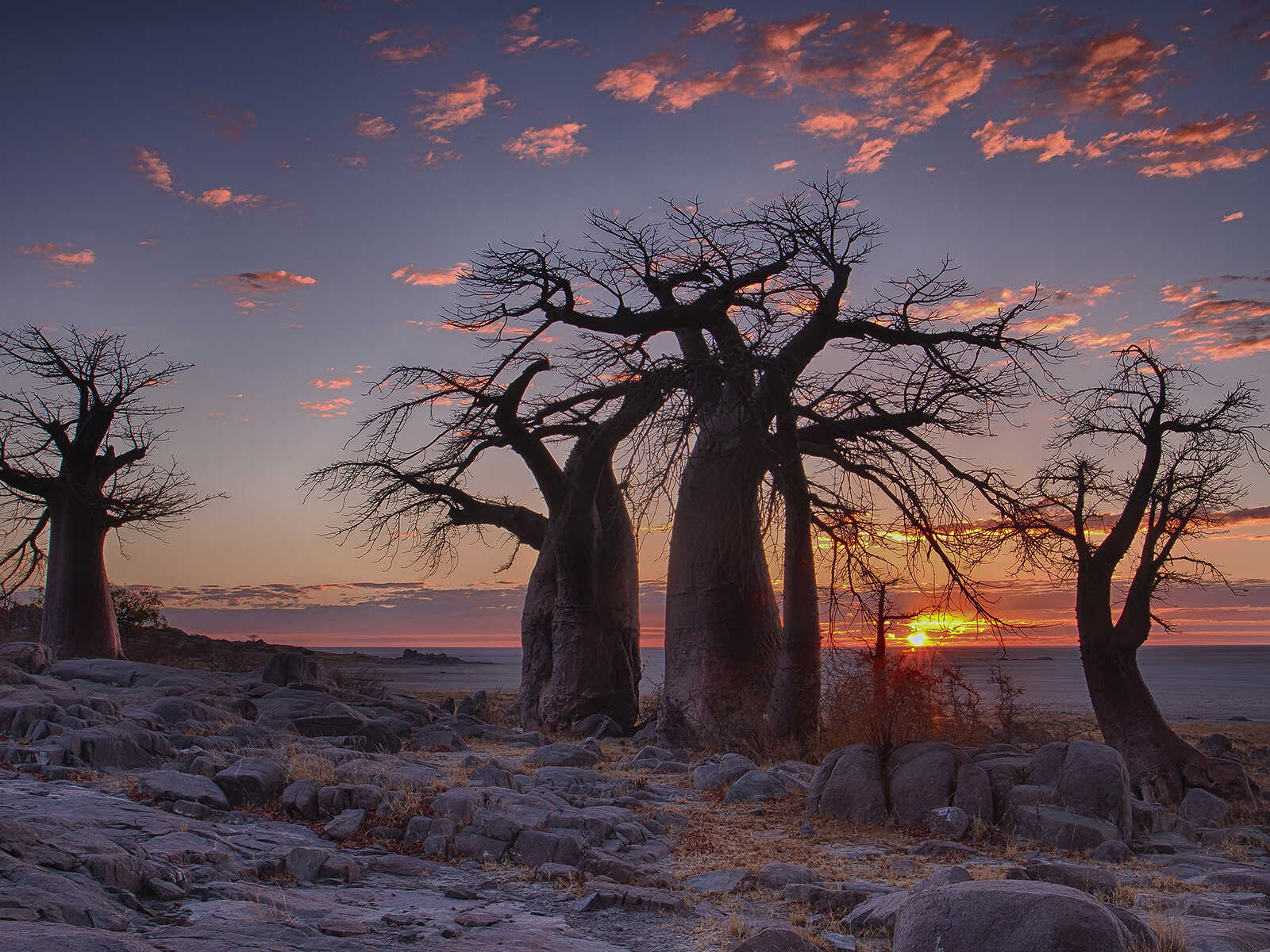
- What to see:Seasonal zebra and wildebeest migration (during the wet season), habituated meerkats, brown hyenas, flamingos (seasonal), and the ancient baobab trees.
- Safari activities:Quad biking on the pans (dry season), walking with meerkats, traditional game drives, cultural interactions.
Kgalagadi Transfrontier Park
Shared with South Africa, the Kgalagadi Transfrontier Park is a semi-arid wilderness famed for its predator sightings against a backdrop of dramatic red dunes.
- What to see:Black-maned lions, cheetahs, leopards, brown hyenas, gemsbok, springbok, and a spectacular array of raptors adapted to the desert environment.
- Safari activities:Self-drive safaris, guided game drives.
Khama Rhino Sanctuary
A community-based wildlife project, the Khama Rhino Sanctuary plays a crucial role in protecting Botswana's rhino population within a secure environment.
- What to see:White and black rhinos, zebras, wildebeest, giraffes, and various antelope species. This offers an excellent opportunity for guaranteed rhino sightings.
- Safari activities:Game drives, guided walks.
Botswana's Birdlife Extravaganza
Beyond the magnificent mammals, Botswana is a birder's paradise, boasting over 600 species. The Okavango Delta, in particular, teems with avian life, from colorful kingfishers and bee-eaters to majestic raptors and water-loving species like the iconic African Fish Eagle, Goliath Heron, and the elusive Pel's Fishing Owl. Even in the arid Kalahari Desert, you'll find unique species like the Kori Bustard and various sandgrouse.
Best Time to Visit for Wildlife Viewing
The dry season (May to October) is generally considered prime time for wildlife viewing in most areas. Animals congregate around permanent water sources, making them easier to spot as the vegetation is also sparser. This period offers excellent predator action.
The wet season (November to April), while challenging for road conditions in some areas, brings lush green landscapes, migratory birds, and the birthing season for many animals. This offers unique photographic opportunities, adorable newborn animals, and often dramatic thunderstorms.
Ethical Safari Practices
To ensure Botswana's incredible wildlife thrives for future generations, responsible tourism is paramount. Always follow your guide's instructions, maintain a respectful distance from animals (never disturb their natural behavior), and keep noise to a minimum. Support lodges and operators committed to sustainable practices and local community empowerment.
Preparing for Your Botswana Safari
Pack neutral-colored clothing suitable for layering, a wide-brimmed hat, good quality sunglasses, and high-factor sunscreen. Insect repellent is essential, especially for evenings. Bring good binoculars and a camera with a telephoto lens to capture those incredible moments. Consult your doctor well in advance about necessary vaccinations and malaria prophylaxis before travel.
Conclusion
Botswana offers an unparalleled journey into the heart of African wilderness. With its vast protected areas, diverse ecosystems, and unwavering commitment to conservation, every safari promises not just incredible sightings, but a deeper connection to nature's raw beauty and resilience. Prepare for an adventure that will stay with you long after you've left its wild plains, leaving you with memories of a truly untamed Africa.