
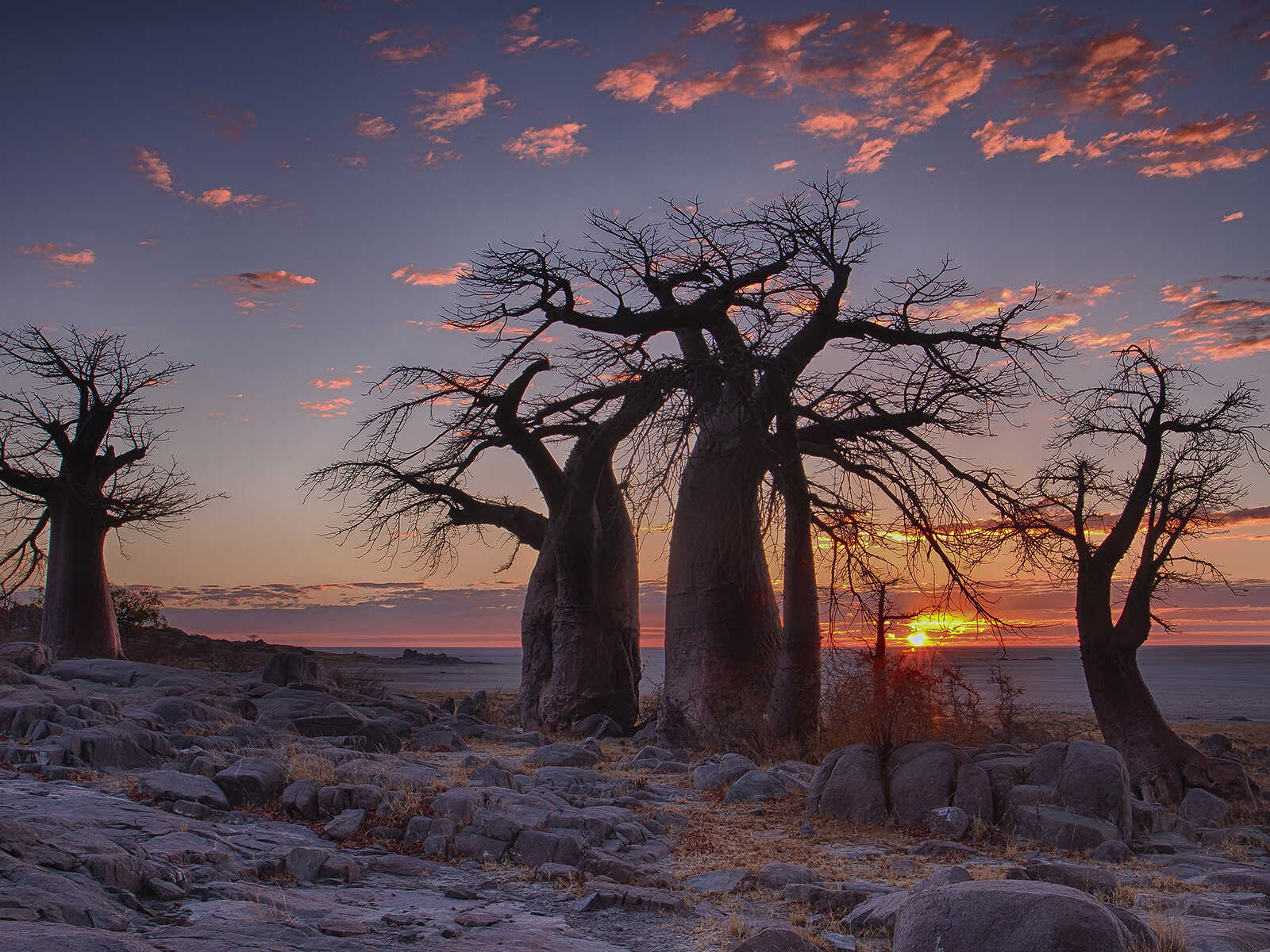
Kgalagadi Transfrontier Park: A Guide to Desert Wildlife Encounters
Embark on an unforgettable journey to the Kgalagadi Transfrontier Park, a vast wilderness straddling Botswana and South Africa. This unique desert landscape offers unparalleled opportunities for encountering wildlife adapted to extreme arid conditions, promising an authentic and remote safari experience.
A Wilderness Like No Other
The Kgalagadi, meaning "place of thirst," is an immense expanse of undulating red dunes, sparse grasslands, and ancient riverbeds that rarely flow. It's Africa's first and largest transfrontier park, covering over 38,000 square kilometers of the Kalahari Desert. This harsh environment, characterized by extreme temperatures and minimal rainfall, forces its inhabitants to develop incredible survival strategies, making every sighting a testament to nature's resilience.
Remarkable Desert Wildlife
Despite its arid appearance, the Kgalagadi teems with life. The park's ecosystem supports a diverse range of animals, many of which are specifically adapted to thrive in this challenging environment. Wildlife viewing is often concentrated around the ancient riverbeds of the Nossob and Auob, where artificial waterholes provide a lifeline.
The Predators of the Kalahari
The Kgalagadi is renowned as a predator hotspot. Its most iconic resident is the magnificentblack-maned lion, whose dark mane is believed to be an adaptation to the intense Kalahari sun. These powerful hunters are frequently seen stalking prey near waterholes.
Fun Fact:The dark manes of Kgalagadi lions are thought to indicate higher testosterone levels and better health, making them more attractive to females.
Cheetahs, the fastest land animals, thrive in the open plains, often spotted on a hunt or resting on a termite mound. Leopards, though more elusive, are present, utilizing the sparse vegetation for cover. Beyond the "big cats," the park is a haven for smaller, yet equally fascinating, predators. Keep an eye out for the agile caracal, the secretive African wild cat, and the charming bat-eared fox with its disproportionately large ears. Brown hyenas, more solitary and shyer than their spotted cousins, are also residents, often seen scavenging.
Herbivores and Their Survival Strategies
The large herds of herbivores in the Kgalagadi display incredible adaptations to conserve water. The majesticgemsbok (oryx), with its striking black-and-white markings and long, straight horns, can survive for extended periods without drinking water, obtaining moisture from the plants they eat. Springbok, blue wildebeest, and red hartebeest are also common sights, often grazing together. These animals are crucial to the food chain, providing sustenance for the park's numerous predators.
Avian Wonders and Reptilian Residents
Birdlife in the Kgalagadi is surprisingly rich, especially during the summer months when migratory birds arrive and local species breed. The park is a paradise for raptor enthusiasts, with frequent sightings of martial eagles, tawny eagles, and bateleurs soaring overhead. The impressive nests of sociable weavers, which can house hundreds of birds, are a unique architectural marvel. Ground-dwelling birds like the Kori bustard, Africa's heaviest flying bird, are also often encountered.
Reptiles, though often overlooked, play a vital role in the desert ecosystem. Various species of lizards, including the formidable rock monitor, bask in the sun, while snakes like the puff adder and Cape cobra inhabit the sandy terrain. Always observe these creatures from a safe distance.
Planning Your Kgalagadi Adventure
A trip to the Kgalagadi requires careful planning and a spirit of self-sufficiency. It's a true wilderness experience, far removed from urban comforts.
Best Time to Visit
The Kgalagadi offers distinct experiences depending on the season:
- Winter (May – August):This is generally considered the best time for wildlife viewing. Temperatures are cooler, and the dry conditions force animals to congregate around the permanent waterholes, making sightings more predictable. Nights can be very cold, requiring warm clothing.
- Summer (September – April):While incredibly hot, summer brings the possibility of dramatic thunderstorms, transforming the landscape into a greener, more vibrant scene. This is also the calving season, offering chances to see young animals, and birdwatching is at its peak.
Getting There and Park Access
Accessing the Kgalagadi requires a4x4 vehicle, especially if you plan to venture into the more remote Botswana side. The main entry point from the south is Twee Rivieren/Two Rivers, which serves as a border post between South Africa and Botswana. From the Botswana side, access points like Mabua Gate and Kaa Gate are much more remote and require extensive self-sufficiency, including carrying all your fuel, water, and food for your entire stay.
Accommodation Options
Accommodation within the park ranges from well-equipped rest camps with self-catering chalets to basic wilderness campsites. The Botswana side offers more rustic, unfenced campsites, providing an immersive wilderness experience. Booking well in advance, especially for peak seasons, is essential as spots are limited.
Essential Packing List
Self-sufficiency is key in the Kgalagadi. Your packing list should include:
- Ample water (at least 5 litres per person per day) and non-perishable food.
- Sufficient fuel for your entire trip, as fuel stations are scarce.
- Sun protection (hats, sunscreen, sunglasses) and warm layers for cold desert nights.
- Binoculars, a good camera with a telephoto lens, and a bird guide.
- A comprehensive first-aid kit.
- Reliable navigation tools (GPS, detailed maps) and communication devices (satellite phone or two-way radio for emergencies).
Driving and Safety Tips
Always stick to designated roads and tracks. The sand can be very soft, so be prepared for potential recovery situations. Maintain a respectful distance from all wildlife and never approach or feed animals. Inform park officials of your planned route and estimated return time, especially if you are embarking on longer drives into remote areas. Night driving is strictly prohibited within the park.
Unique Kgalagadi Experiences
The Kgalagadi offers unique experiences that set it apart:
- Self-Drive Safaris:The primary way to explore, allowing you the freedom to set your own pace and spend as much time as you wish at sightings.
- Photography:The striking red dunes, clear light, and unique wildlife provide incredible opportunities for wildlife and landscape photography.
- Star Gazing:With minimal light pollution, the Kgalagadi boasts some of the most spectacular night skies imaginable, perfect for astronomy enthusiasts.
- Wilderness Trails:For the truly adventurous, some remote 4x4 trails offer multi-day self-guided expeditions into the deepest parts of the park.
Respecting the Environment
The Kgalagadi is a fragile ecosystem. Adhere to "leave no trace" principles by taking all your waste out of the park. Support conservation efforts by respecting park rules and contributing to responsible tourism. Understanding the delicate balance of this desert environment ensures its preservation for future generations.
Kgalagadi vs. Other Botswana Parks
While Botswana is famed for its water-rich paradises like the Okavango Delta and the elephant-filled Chobe National Park, the Kgalagadi offers a dramatically different, yet equally rewarding, safari experience. Instead of mokoro rides and river cruises, you'll be navigating sandy tracks through arid landscapes. For those seeking another desert adventure in Botswana, the Central Kalahari Game Reserve provides a similar remote, self-drive experience, though Kgalagadi is distinct with its iconic red dunes and specific predator population.
A journey to the Kgalagadi Transfrontier Park is more than just a safari; it's an immersion into a raw, untamed wilderness. It's a place where patience is rewarded with extraordinary wildlife encounters and the silence of the desert leaves an indelible mark on your soul. Prepare to be captivated by the resilience of life in one of Africa's most breathtaking and challenging landscapes.