
How to Get Around Botswana: Transportation Guide for Travelers
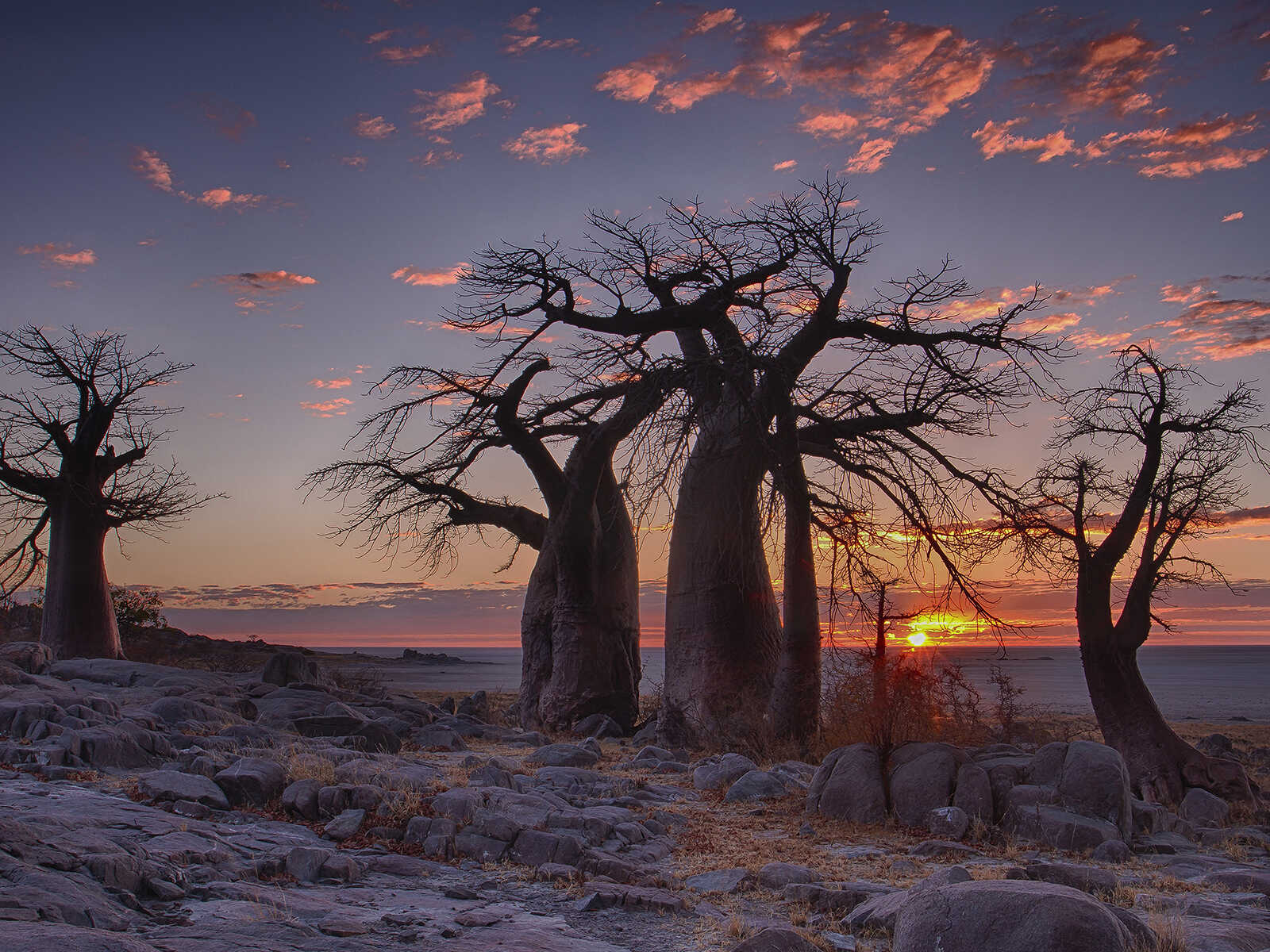
Botswana, a land of vast wilderness and unparalleled natural beauty, offers an unforgettable African safari experience. Navigating its diverse landscapes, from the watery labyrinths of the Okavango Delta to the arid expanses of the Kalahari, requires thoughtful planning and an understanding of the available transportation options.
Navigating Botswana's Unique Landscapes
Botswana's charm lies in its untouched wilderness, which also means that getting around can be an adventure in itself. While major towns are connected by paved roads, reaching the prime wildlife viewing areas often involves light aircraft, sturdy 4x4 vehicles, or even traditional dugout canoes. Your choice of transport will largely depend on your budget, desired level of adventure, and the specific destinations on your itinerary.
Air Travel: The Fastest Way to the Wild
For many international visitors and those seeking a quintessential safari experience, air travel is the primary mode of transport into and within Botswana's wilderness areas.
International Arrivals
Botswana has three main international airports:
- Sir Seretse Khama International Airport (GBE)in Gaborone: The country's capital, serving as a hub for commercial flights, though less common for direct safari access.
- Maun International Airport (MUB): Often considered the gateway to the Okavango Delta and Moremi Game Reserve, Maun is a bustling safari town with frequent flights from regional hubs like Johannesburg.
- Kasane International Airport (BBK): Located near the borders of Namibia, Zambia, and Zimbabwe, Kasane is the ideal entry point for exploring Chobe National Park and its famous riverfront.
Domestic Flights and Charter Planes
Once in Maun or Kasane, small charter planes are the most common and efficient way to reach remote safari lodges and camps deep within the national parks and reserves. These light aircraft flights offer breathtaking aerial views of the landscape and its wildlife, transforming the journey into an integral part of the safari experience.
Travel Tip:Due to the small size of charter aircraft, strict luggage restrictions (often 20kg per person in soft bags) are enforced. Always check with your safari operator about specific limits before packing.
Self-Driving: The Adventurer's Choice
For the independent traveler seeking adventure and flexibility, self-driving offers an unparalleled opportunity to explore Botswana at your own pace. However, it requires careful planning and the right vehicle.
Vehicle Requirements
A4x4 vehicle with high clearanceis absolutely essential for exploring Botswana's national parks and reserves. Many areas, especially within the Okavango Delta,Moremi Game Reserve,Chobe National Park,Central Kalahari Game Reserve,Makgadikgadi Pans National Park, and Kgalagadi Transfrontier Park, feature deep sand, water crossings, and challenging gravel tracks. It's also advisable to carry recovery gear (shovel, jack, tow rope, compressor).
Driving Conditions
Major towns like Gaborone, Francistown, Maun, and Kasane are connected by well-maintained tarred roads. However, once you venture into the wilderness areas, roads quickly turn to sand, gravel, or even simply tracks through the bush. Driving during the wet season can be particularly challenging, with muddy conditions and flooded areas. A reliable GPS, detailed maps, and a satellite phone are highly recommended for remote areas of the Kalahari desert or parks.
Fuel and Supplies
Fuel stations are scarce outside of major towns and some park gates. It's crucial to plan your route carefully and carry extra fuel in jerry cans, especially when embarking on longer expeditions into areas like the Central Kalahari Game Reserve. Ample water and food supplies are also paramount.
Organized Safaris and Transfers: Convenience and Expertise
For those who prefer a seamless, stress-free experience, organized safaris and pre-arranged transfers are an excellent choice. These options leverage local expertise and specialized vehicles to provide the best possible wildlife viewing.
Fly-in Safaris
Fly-in safaris combine light aircraft transfers with stays at luxury lodges or permanent camps. This option is ideal for accessing the most remote and pristine parts of the Okavango Delta and Moremi Game Reserve, minimizing travel time and maximizing wildlife encounters. Game drives and other activities are conducted by experienced guides in open safari vehicles provided by the lodge.
Mobile Safaris
Mobile safaris offer a more immersive, adventurous experience. Travelers journey between different campsites in specialized overland vehicles, with camps set up and taken down by a dedicated team. This allows for exploration of larger areas, such as moving between Chobe National Park and the Okavango Delta, with guided game drives en route and from each camp.
Lodge Transfers
Many safari packages include transfers from major airports (like Maun or Kasane) directly to your lodge. These transfers are often conducted in safari vehicles, effectively starting your game drive as soon as you land.
Public Transportation: For Local Immersion (Limited for Tourists)
While not ideal for reaching national parks, public transportation offers a glimpse into local life for travelers wishing to explore Botswana's towns and cities.
Buses and Minibuses (Combi's)
Scheduled buses and privately operated minibuses (known as 'combi's') connect major towns across Botswana, including Gaborone, Francistown, Maun, and Kasane. They are an affordable, albeit slower, way to travel between urban centers. However, they do not typically service national parks or remote tourist destinations.
Taxis
Taxis are readily available in towns and cities. They are usually unmetered, so it's advisable to agree on a fare before starting your journey. They are useful for short distances within urban areas but unsuitable for inter-town or safari travel.
Unique Ways to Explore
Beyond traditional vehicles, Botswana offers some truly unique and iconic ways to experience its natural wonders.
Mokoro Excursions
A highlight of any trip to the Okavango Delta is a tranquil ride in amokoro, a traditional dugout canoe propelled by a poler. These silent journeys offer an unparalleled perspective of the delta's intricate waterways and its smaller inhabitants, allowing you to glide past water lilies and observe wildlife at water level.
Boat Safaris
Boat safaris are a fantastic way to experience the aquatic ecosystems of Botswana. The Chobe River, in particular, is renowned for its boat cruises, offering superb opportunities to view large herds of elephants, hippos, crocodiles, and abundant birdlife from a different vantage point. Similar excursions are also popular in certain parts of the Okavango Delta.
Essential Travel Tips for Getting Around Botswana
- Book in Advance:Especially for flights and organized safaris, demand can be high, so secure your bookings well ahead of time.
- Travel Insurance:Always ensure you have comprehensive travel insurance that covers emergency medical evacuation, particularly if you plan to visit remote areas.
- Respect Wildlife:When self-driving, always maintain a safe distance from animals and never disturb them.
- Pack Light:If using light aircraft, adhere strictly to luggage weight and size restrictions. Soft-sided bags are preferred.
- Cash:While cards are accepted in most lodges and larger towns, carrying some local currency (Botswana Pula) is useful for smaller purchases or tips, especially in more remote areas.
- Communication:Mobile phone reception can be sporadic outside of major towns. Consider renting a satellite phone for emergencies if self-driving in very remote areas.
Whether you choose the adventurous path of self-driving, the seamless luxury of a fly-in safari, or the unique tranquility of a mokoro, Botswana offers a mode of transport to suit every traveler. Plan wisely, embrace the journey, and prepare for an unforgettable adventure in this magnificent African wilderness.