
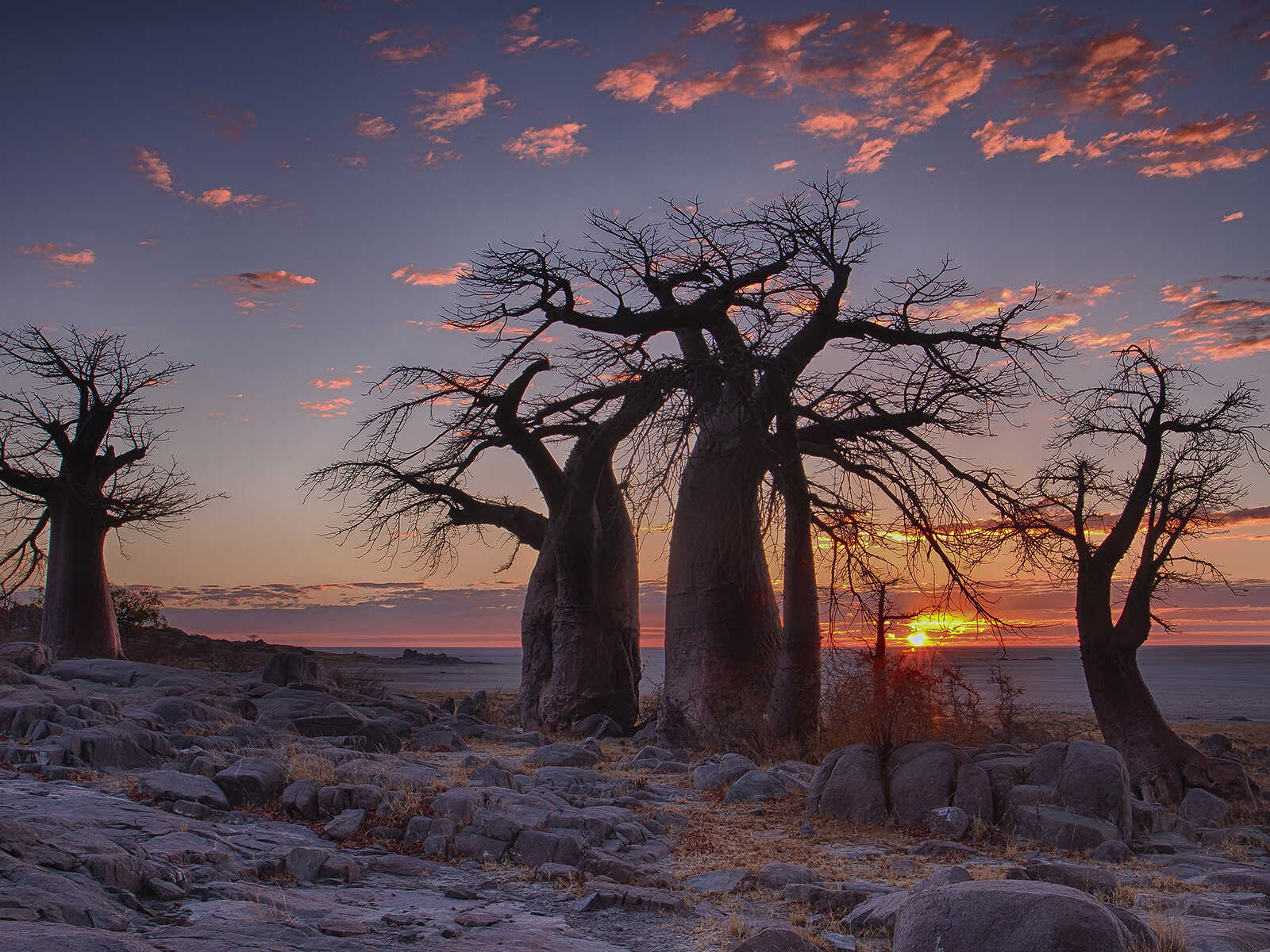
Chobe National Park Safari Guide: Elephants, River Cruises, and More
Embark on an unforgettable journey into the heart of Botswana's wilderness with our comprehensive guide to Chobe National Park. Renowned for its colossal elephant herds and iconic river safaris, Chobe promises a unique and thrilling African adventure. Discover everything you need to plan your ultimate safari, from prime wildlife viewing opportunities to the best ways to experience its natural wonders.
Discovering the Majesty of Chobe National Park
Chobe National Park, located in northern Botswana, is a wildlife haven unlike any other. Established in 1968, it was Botswana's first national park and remains one of Africa's premier safari destinations. Spanning approximately 11,700 square kilometers, Chobe is most famous for its incredible elephant population, estimated to be one of the highest concentrations on the continent. But its appeal extends far beyond these gentle giants, encompassing diverse ecosystems and an abundance of other captivating wildlife.
The park is broadly divided into four distinct areas: the Chobe Riverfront, the Savuti Marsh, Linyanti Marsh, and the Nogatsaa and Tchinga regions. Each offers unique landscapes and wildlife viewing experiences, though the Chobe Riverfront is the most accessible and celebrated for its iconic river safaris.
Unforgettable Safari Experiences in Chobe
The Iconic Chobe River Cruise
A safari along the Chobe River is arguably the park's most distinguishing feature and an absolute must-do. Gliding silently on the water, you gain a unique perspective on the wildlife that congregates along the riverbanks, especially during the dry season. Animals come down to drink, bathe, and cool off, offering spectacular photographic opportunities.
- Elephant Herds:Witness hundreds of elephants, from playful calves to massive bulls, interacting at the water's edge.
- Hippos and Crocodiles:The river teems with pods of hippos, their grunts echoing across the water, and ancient crocodiles basking on sandy banks.
- Birdlife:Chobe is a birder's paradise, with a vast array of aquatic and raptor species. Keep an eye out for African fish eagles, kingfishers, and various storks.
- Other Wildlife:You might also spot buffalo, various antelope species like kudu and impala, and even predators like lions or leopards coming down for a drink.
Expert Tip:Opt for a sunset river cruise for breathtaking golden hour photography and the chance to see nocturnal animals emerge as dusk settles.
Thrilling Game Drives
While the river offers one perspective, traditional game drives provide an exhilarating ground-level experience. Exploring the labyrinth of tracks and trails, you delve deeper into the bush, encountering wildlife in its natural habitat.
- Predator Encounters:The Savuti Marsh area, in particular, is renowned for its large prides of lions and frequent leopard sightings. African wild dogs are also present, offering a rare and thrilling encounter.
- Buffalo Herds:Chobe boasts massive herds of Cape buffalo, often numbering in the hundreds, a truly impressive sight.
- General Game:Expect to see a wide variety of antelope, giraffes, zebras, and warthogs throughout the park.
Birdwatching Paradise
With over 450 bird species recorded, Chobe is a twitcher's dream. From the colourful carmine bee-eaters that nest in the riverbanks to majestic raptors soaring overhead, the avian diversity is astounding. The river cruises are particularly excellent for spotting waterbirds, while game drives allow access to a wider range of terrestrial species.
Chobe's Magnificent Wildlife
Elephants: The Kings of Chobe
The undisputed stars of Chobe National Park are its elephants. Botswana is home to the largest elephant population in Africa, and a significant portion of these reside within Chobe. These resilient creatures thrive in the park's diverse habitats, particularly along the Chobe River, where they converge in vast numbers during the dry season.
Fun Fact:The elephants of Chobe are known for their unique behavior, including their ability to adapt to varying water levels and their incredible migratory patterns between Botswana and neighboring countries.
Predators and Prey
Beyond elephants, Chobe is a stronghold for many iconic African animals. Large buffalo herds attract powerful predators. Lions are abundant, especially in Savuti, known for their specialized elephant-hunting skills. Leopards are present throughout the park, often spotted resting in trees. Other carnivores include spotted hyenas, cheetahs, and the highly endangered African wild dog, offering a rare opportunity for sightings.
The park's extensive grasslands and riverine areas support a healthy population of prey animals, including impala, kudu, sable antelope, roan antelope, tsessebe, wildebeest, and zebra, providing a constant food source for its predators.
When to Visit Chobe National Park
The best time to visit Chobe National Park largely depends on your safari priorities, but generally, the dry season (May to October) is considered prime time.
- Dry Season (May - October):
- Pros:Animals congregate around permanent water sources like the Chobe River, making sightings more predictable and abundant. Vegetation is sparser, improving visibility. Cooler mornings and evenings.
- Cons:Can be very hot in October. Peak season means more visitors.
- Wet Season (November - April):
- Pros:Lush green landscapes, spectacular birdwatching (migratory birds), fewer tourists, lower prices. Excellent for seeing newborn animals.
- Cons:Thicker vegetation can make wildlife spotting more challenging. Some roads might become impassable due to rain.
Planning Your Chobe Safari Adventure
Getting There
The main gateway to Chobe National Park is the town of Kasane, which has an international airport (Kasane International Airport - BBK). Many visitors also combine their Chobe safari with a trip to Victoria Falls, located a short drive away in Zimbabwe or Zambia. Maun, the gateway to the Okavango Delta, is also well-connected by flights to Kasane.
Accommodation Options
Chobe offers a range of accommodation, from luxurious riverside lodges and tented camps to more budget-friendly campsites within and just outside the park. Many lodges offer all-inclusive packages that include game drives and river cruises.
What to Pack
Essential safari gear includes lightweight, neutral-coloured clothing, a wide-brimmed hat, sunglasses, high-factor sunscreen, insect repellent, a good camera with a zoom lens, binoculars, and comfortable walking shoes. Evenings can be cool, so a fleece or jacket is advisable.
Combining Chobe with Other Botswana Gems
A safari to Chobe National Park often forms part of a larger Botswana itinerary, perfectly complementing other iconic destinations:
- Okavango Delta:Experience a completely different wetland safari, often involving mokoro (traditional dugout canoe) excursions and walking safaris. The contrast between Chobe's river-focused experience and the Delta's intricate waterways is truly remarkable.
- Moremi Game Reserve:Situated within the Okavango Delta, Moremi offers exceptional game viewing in a diverse landscape of floodplains, forests, and lagoons.
- Kalahari Desert:For those seeking a truly remote and unique experience, combining Chobe with a visit to the vast Kalahari Desert areas like the Central Kalahari Game Reserve or Makgadikgadi Pans National Park offers a stark contrast and different wildlife viewing opportunities.
Responsible Tourism in Chobe
When visiting Chobe National Park, it's crucial to practice responsible tourism. Always follow your guide's instructions, maintain a respectful distance from wildlife, and ensure you leave no trace behind. Supporting eco-friendly lodges and operators helps preserve this incredible wilderness for future generations.
A safari to Chobe National Park is an extraordinary adventure, promising unparalleled wildlife encounters, especially with its iconic elephants, and unique river-based safaris. From thrilling game drives to serene sunset cruises, Chobe offers an immersive and unforgettable journey into the heart of Botswana's wild beauty.