
Botswana's Conservation Story: Protecting its Wild Heart
Botswana stands as a beacon of conservation in Africa, a nation unwavering in its commitment to preserving its extraordinary natural heritage. Its approach to wildlife protection is not just policy; it's an integral part of its national identity and economic strategy, ensuring future generations can experience its wild heart.
This article delves into the strategies and successes that define Botswana's conservation journey, offering insights for visitors who wish to engage responsibly with one of the world's most pristine wildernesses.
A Legacy of Preservation: Botswana's Approach
Botswana's conservation philosophy is rooted in a pragmatic vision:low volume, high value tourism. Rather than mass tourism, the country prioritises exclusive, high-quality experiences that generate significant revenue with minimal environmental impact. This model ensures that the economic benefits of tourism directly support conservation efforts, creating a sustainable cycle.
From its independence, Botswana recognised the immense value of its natural resources. Leaders understood that a healthy environment was crucial for both ecological balance and the well-being of its people. This foresight led to the establishment of vast protected areas and robust legal frameworks designed to safeguard biodiversity.
Pillars of Conservation: Key Strategies
Protected Areas and Wildlife Corridors
A cornerstone of Botswana's conservation success is its extensive network of protected areas, covering over 40% of its landmass. These areas are not isolated but often connected by crucial wildlife corridors, allowing animals to migrate freely and maintain genetic diversity.
- The Okavango Delta:A UNESCO World Heritage Site, the Okavango Delta is a unique inland delta supporting an incredible array of life. Its pristine state is a testament to stringent conservation policies.
- Chobe National Park:Famous for its enormous elephant herds,Chobe National Park is a vital sanctuary for numerous species, including lions, leopards, and buffalo.
- Moremi Game Reserve:Situated within the Okavango Delta,Moremi Game Reserve was the first wildlife sanctuary in Africa to be established by local residents, setting a precedent for community involvement.
- Central Kalahari Game Reserve:One of the largest protected areas in the world, the Central Kalahari Game Reserve protects the unique wildlife of the Kalahari desert, including rare species like the brown hyena and black-maned lion.
- Kgalagadi Transfrontier Park:Straddling the border with South Africa, the Kgalagadi Transfrontier Park offers vast, arid landscapes and excellent predator viewing.
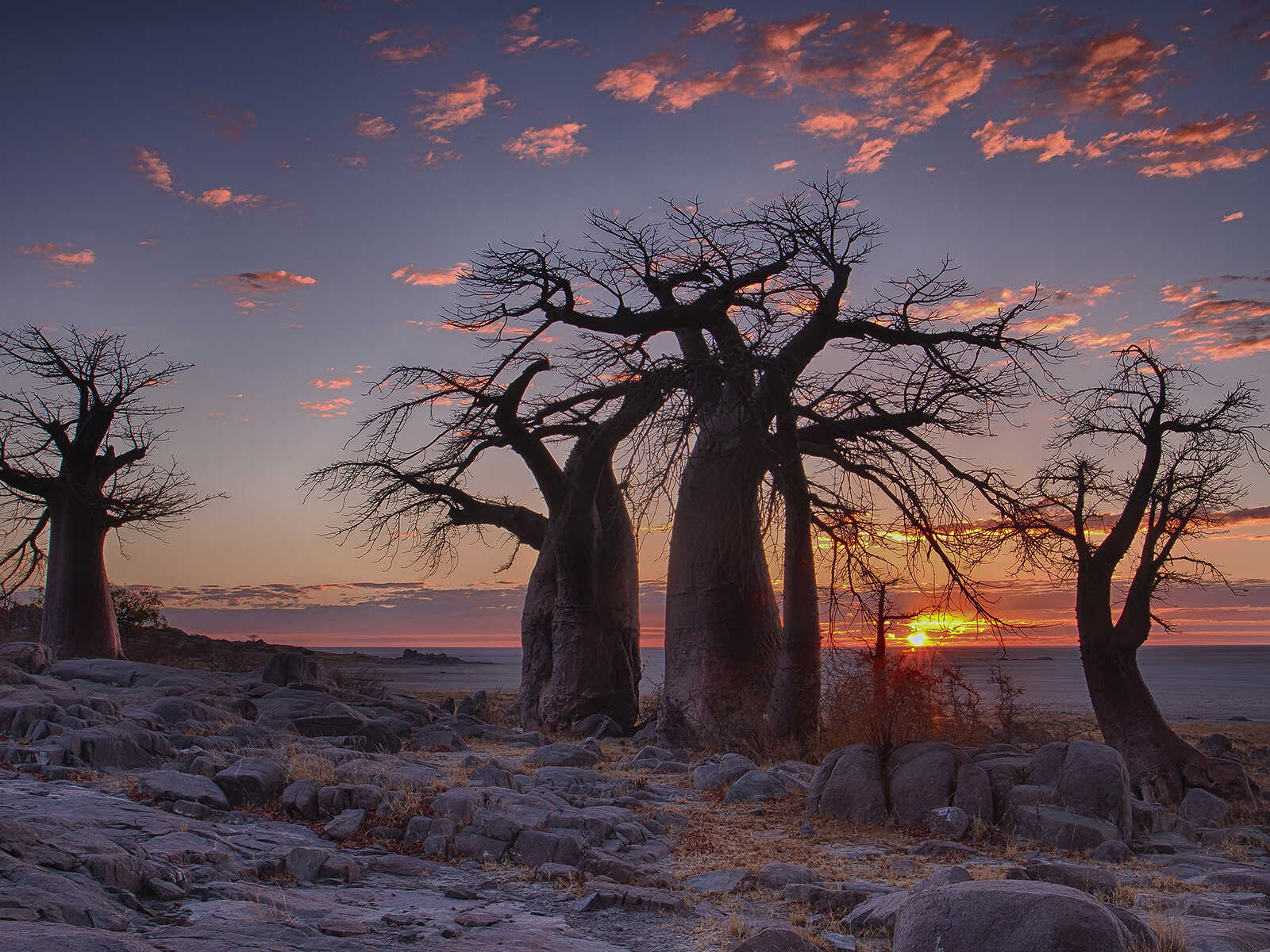
- Makgadikgadi Pans National Park:The vast, shimmering salt pans of Makgadikgadi Pans National Park are home to unique desert-adapted wildlife and host Africa's second-largest zebra migration.
Anti-Poaching Efforts and Community Involvement
Botswana maintains a formidable stance against poaching. Its anti-poaching units are highly trained and well-equipped, working tirelessly to protect wildlife from illegal hunting. This robust enforcement is a critical deterrent, safeguarding vulnerable populations, particularly rhinos and elephants.
Beyond enforcement, Botswana champions community-based natural resource management (CBNRM) programs. These initiatives empower local communities living adjacent to wildlife areas to benefit directly from conservation and tourism, fostering a sense of ownership and responsibility for their natural heritage. When communities see tangible benefits from wildlife, they become powerful allies in its protection.
"Our wildlife is not just an asset; it is a shared inheritance and a collective responsibility. By empowering local communities, we ensure that conservation is a sustainable endeavor for all."
Rhino Conservation: A Success Story
Botswana has emerged as a critical sanctuary for rhinos, actively relocating both black and white rhinos from high-risk areas in other countries to its secure national parks and reserves. This bold strategy has significantly boosted rhino populations and secured their future.
The Khama Rhino Sanctuary, a community-based wildlife project, is a prime example of successful rhino reintroduction and protection. It provides a safe haven for both white and black rhinos, contributing significantly to their numbers through careful breeding programs and vigilant security.
Sustainable Tourism and Economic Benefits
The "low volume, high value" tourism model is not merely a slogan; it's an operational principle. Strict controls on lodge development, visitor numbers, and activity types minimise ecological disturbance. Concession fees and park entry charges contribute directly to conservation funds, helping to finance anti-poaching operations, habitat management, and community development projects.
This approach ensures that every visitor's journey contributes to the preservation of Botswana's wild heart, making tourism a powerful tool for conservation rather than a threat.
Challenges and Future Directions
Despite its successes, Botswana faces ongoing conservation challenges. Human-wildlife conflict, particularly with elephants and predators, remains a complex issue. Climate change also poses a long-term threat, impacting water availability and migration patterns.
Botswana continues to adapt, investing in research, innovative conflict mitigation strategies, and regional collaborations. The country's commitment to scientific monitoring and adaptive management ensures that its conservation efforts evolve to meet new pressures and secure a resilient future for its wildlife.
How You Can Contribute: Responsible Tourism
As a visitor, your choices have a direct impact on Botswana's conservation efforts. By travelling responsibly, you become a part of its protection story:
- Choose Eco-Friendly Operators:Select tour operators and lodges committed to sustainable practices, employing local staff, and supporting conservation initiatives.
- Respect Wildlife:Maintain a safe distance from animals, never feed them, and follow your guide's instructions. Remember, you are a guest in their home.
- Minimise Your Footprint:Reduce waste, conserve water and energy, and leave no trace behind.
- Support Local Communities:Purchase local crafts, use local services, and engage respectfully with the people and cultures you encounter.
- Learn and Advocate:Educate yourself about Botswana's conservation challenges and successes. Share your experiences to inspire others.
Botswana's dedication to protecting its wild heart is a global inspiration. By understanding and supporting its conservation story, visitors can help ensure that this extraordinary wilderness continues to thrive for generations to come.