
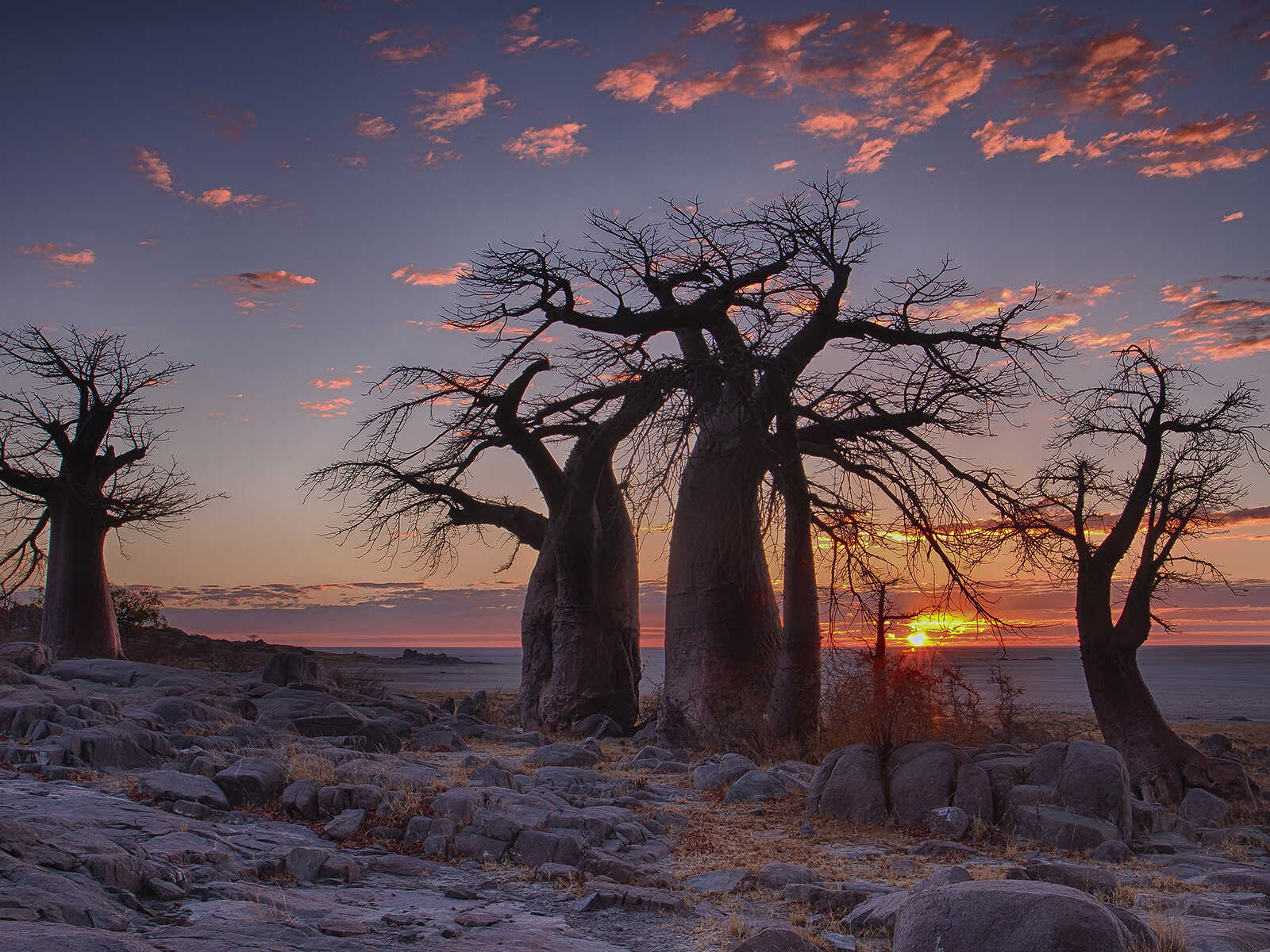
Botswana Self-Drive Safari Guide: Planning Your Adventure
Embarking on a self-drive safari in Botswana offers an unparalleled sense of adventure, freedom, and deep immersion into some of Africa's most pristine wilderness areas. This guide provides essential information to help you meticulously plan your unforgettable journey through this remarkable southern African nation.
Why Choose a Self-Drive Safari in Botswana?
Botswana is a destination synonymous with wild beauty and spectacular wildlife, making it an ideal choice for the intrepid self-driver. The freedom to explore at your own pace, linger at a captivating sighting, or simply enjoy the solitude of the vast landscapes is truly empowering. While challenging, navigating Botswana's rugged terrain yourself offers a profound connection with nature and a unique sense of accomplishment, often more cost-effective than fully guided tours, though still requiring significant investment in preparation.
Key Considerations Before You Go
Planning is paramount for a successful self-drive safari in Botswana. Neglecting any of these crucial aspects could significantly impact your experience.
Vehicle Choice and Preparation
Arobust 4x4 vehicle is non-negotiable. Expect to encounter deep sand, corrugations, mud, and water crossings. Your vehicle should ideally have:
- High ground clearance.
- Long-range fuel tanks or extra jerry cans.
- A snorkel (for water crossings).
- Heavy-duty suspension.
- At least two spare tires and a puncture repair kit.
- Recovery gear: shovel, sand ladders, high-lift jack, tow rope, air compressor.
Many reputable rental companies in Maun or Kasane specialize in fully equipped safari 4x4s, often including camping gear and recovery tools. It's advisable to have basic mechanical knowledge or at least understand how to use your recovery equipment.
Driving Conditions and Navigation
Botswana's roads, particularly within national parks and reserves, are often sandy tracks, occasionally muddy or waterlogged depending on the season. Off-road driving experience is highly recommended. Navigation relies heavily on GPS devices (e.g., Tracks4Africa), detailed paper maps, and a good compass. Mobile phone signal is unreliable outside major towns, so a satellite phone or a personal locator beacon (PLB) for emergencies is a wise investment.
Supplies and Logistics
You will be self-sufficient for extended periods. Plan meticulously for:
- Water:Carry ample drinking water and extra for washing.
- Food:Non-perishable items, cooking supplies, and a robust cooler/fridge.
- Fuel:Calculate consumption carefully. Fuel stations are scarce between major towns.
- First-aid:A comprehensive medical kit is essential, including snakebite kits and any personal medications.
- Camping gear:Tents, sleeping bags, chairs, table, cooking equipment.
Tip:Always carry more water than you think you'll need. Dehydration in the Kalahari desert heat can be a serious risk.
Permits and Reservations
Botswana's national parks and prime campsites are highly sought after and often booked out 6-12 months in advance, especially during peak season. You will need:
- Park entry permits:Obtained from the Department of Wildlife and National Parks (DWNP).
- Campsite reservations:Book directly with concession holders.
Do not arrive without confirmed bookings; you will likely be turned away.
Best Time to Visit
Thedry season(May to October) is popular for wildlife viewing as animals congregate around dwindling water sources. Temperatures are cooler, and roads are generally easier. Thewet season(November to April) offers lush landscapes, incredible birdlife, and dramatic thunderstorms, but can bring intense heat and make driving conditions much more challenging due to mud and high water levels.
Essential Gear & Packing List
Beyond your vehicle and basic supplies, specific items will enhance your self-drive experience.
- Vehicle Spares & Tools:Puncture repair kit, tyre gauge, jump leads, basic tool kit, spare fan belts, fuses, engine oil.
- Communication & Navigation:GPS with detailed maps (e.g., Tracks4Africa), satellite phone/PLB, two-way radios (for convoy travel).
- Camping & Cooking:Durable tent, comfortable sleeping bags, sturdy chairs and table, gas cooker, cooking utensils, headlamps/lanterns.
- Personal Items:Neutral-colored clothing (layers), sturdy closed-toe shoes, hat, sunglasses, high-factor sunscreen, insect repellent, binoculars, camera with spare batteries and memory cards.
- Safety & Emergency:Comprehensive first-aid kit, emergency water and food rations, fire extinguisher.
Crafting Your Botswana Itinerary
Botswana offers diverse landscapes, from the watery wonderland of the Okavango Delta to the vast expanses of the Kalahari desert. Plan your route carefully, allowing sufficient travel time between destinations.
Popular Self-Drive Regions
- Northern Botswana Circuit:This is the classic route, encompassing the wildlife-rich Moremi Game Reserve, known for its incredible biodiversity, and Chobe National Park, famous for its massive elephant herds. Don't forget the stark beauty of the Makgadikgadi Pans National Park, offering a stark contrast to the water-rich areas.
- Kalahari Deserts:For a truly remote experience, explore the Central Kalahari Game Reserve, one of the largest protected areas in Africa, or the unique ecosystem of Kgalagadi Transfrontier Park on the border with South Africa.
- Cultural and Conservation:Consider including a visit to Tsodilo Hills, a UNESCO World Heritage site with ancient San rock art, or the Khama Rhino Sanctuary, a community-based wildlife project dedicated to rhino conservation.
Pace yourself; trying to cover too much ground too quickly will detract from the experience. Allow at least 2-3 nights per major park or reserve.
Safety & Etiquette in the Wild
Respect for wildlife, the environment, and local communities is paramount.
- Wildlife Encounters:Always maintain a safe distance from animals. Never get out of your vehicle unless in a designated safe area. Do not feed animals.
- Driving Safety:Adhere to speed limits. Be vigilant for wildlife, especially at dawn and dusk. Drive slowly over corrugations to prevent vehicle damage.
- Camping:Secure your camp thoroughly. Store all food safely to deter animals. Never leave food scraps or rubbish out.
- Leave No Trace:Pack out everything you pack in. Do not litter. Do not disturb vegetation or take souvenirs.
- Local Communities:Be respectful when passing through villages. Ask permission before taking photos of people.
Booking Your Botswana Self-Drive Safari
The key to a successful Botswana self-drive is early booking. Research reputable 4x4 rental companies well in advance. Once you have your vehicle secured, immediately begin booking your park entry permits and campsites. Many travelers opt to use a specialist safari operator for itinerary planning and all bookings, even for self-drive, to ensure all logistics are handled seamlessly.
A self-drive safari in Botswana is an extraordinary journey that promises unparalleled wildlife encounters and breathtaking landscapes. With thorough planning, the right equipment, and a spirit of adventure, you're set for an experience of a lifetime.