
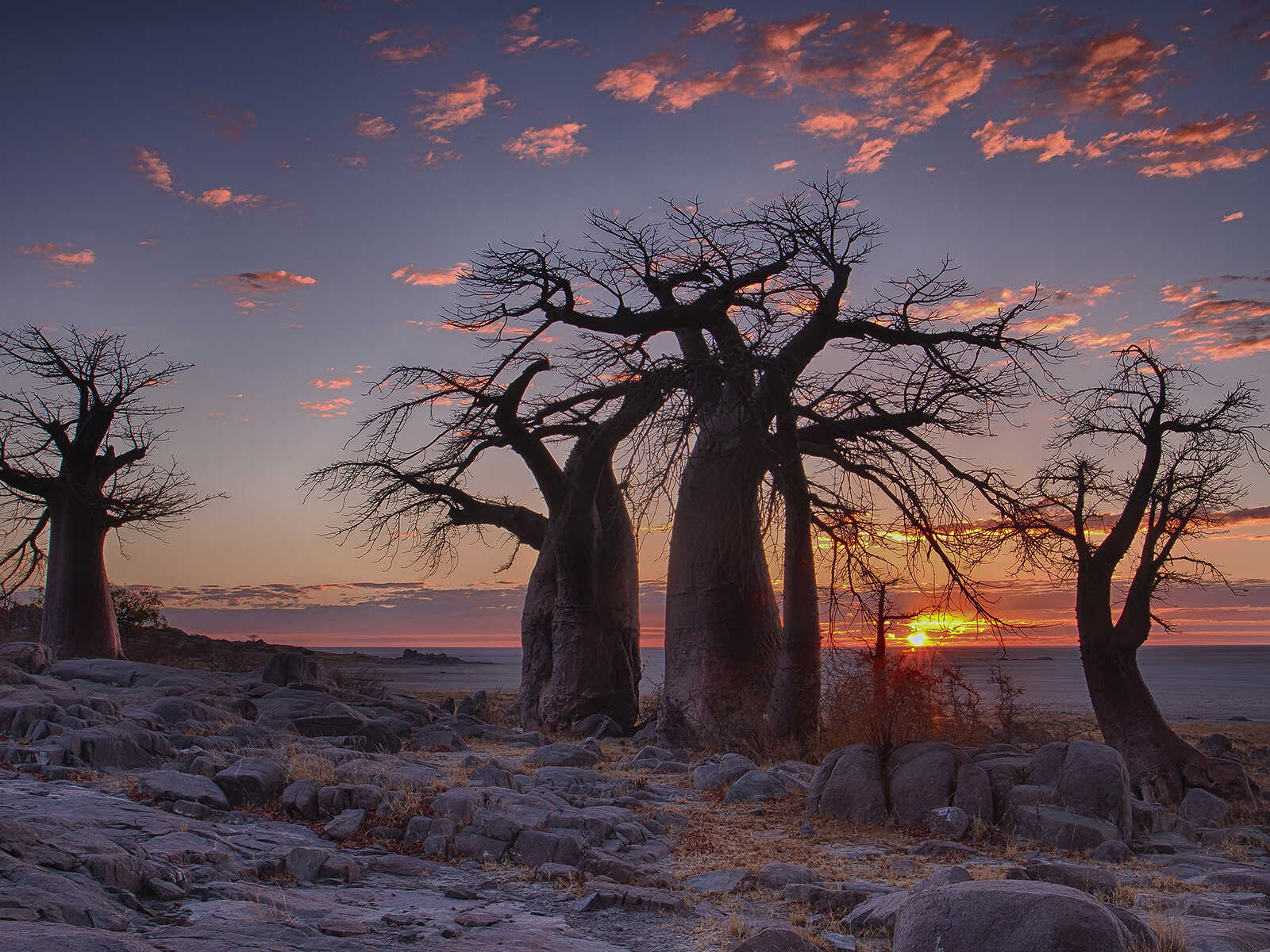
Botswana Photography Safari: Tips for Capturing Incredible Wildlife
Botswana offers an unparalleled backdrop for wildlife photography, boasting pristine wilderness, diverse ecosystems, and an abundance of iconic African species. To truly capture the magic of this unique destination, preparation and understanding of both your equipment and environment are key. This guide will equip you with essential tips to elevate your safari photography.
Why Botswana is a Photographer's Paradise
Botswana stands out as a prime destination for wildlife photographers due to its commitment to high-value, low-impact tourism, ensuring vast, unspoiled wilderness areas. From the intricate waterways of the Okavango Delta to the elephant-rich banks of Chobe National Park and the vast, arid expanses of the Kalahari desert, the diversity of landscapes offers an incredible range of photographic opportunities.
Expect to encounter the "Big Five" (lion, leopard, elephant, rhino, buffalo), alongside a myriad of other species including wild dogs, cheetahs, zebras, giraffes, and prolific birdlife. The consistent presence of knowledgeable guides, often keen photographers themselves, further enhances your chances of finding and photographing incredible wildlife moments.
Essential Camera Gear for Your Safari
Investing in the right equipment can significantly impact the quality of your safari photographs. While you don't need every piece of professional gear, certain items are non-negotiable for success.
Camera Bodies
- Two Camera Bodies:Ideally, carry two camera bodies. This serves as a crucial backup in case one fails and allows you to mount different lenses simultaneously, avoiding dust exposure when changing lenses in the field.
- Sensor Size:Both full-frame and crop-sensor cameras have advantages. Crop sensors offer a 'reach' advantage, effectively magnifying your telephoto lens, which can be beneficial for distant subjects.
Lenses
Lenses are your most important investment for wildlife photography:
- Telephoto Zoom (Crucial):A lens in the 100-400mm, 150-600mm, or 200-500mm range is essential. This will be your primary lens for capturing animals at a distance without disturbing them. Consider lenses with good image stabilization.
- Mid-Range Zoom:A versatile lens like a 24-70mm or 24-105mm is excellent for wider shots of animals in their environment, landscapes, and camp life.
- Wide-Angle Lens:For vast landscapes, dramatic skies, and astrophotography (especially in locations like the Central Kalahari Game Reserve or Makgadikgadi Pans National Park), a wide-angle (e.g., 16-35mm) is invaluable.
Accessories
- Beanbag:Absolutely essential for stability in a safari vehicle. It cradles your lens, absorbing vibrations and allowing for sharper shots, especially with heavy telephoto lenses.
- Plenty of Batteries:You'll be shooting a lot, and charging opportunities can be limited. Bring at least 3-4 fully charged batteries per camera.
- High-Capacity Memory Cards:Multiple cards with fast write speeds (e.g., 64GB or 128GB) are recommended. Don't skimp on quality here.
- Dust Protection:A rocket blower, lens brush, and microfibre cloths are vital. Dust is a constant challenge in the African bush.
- Robust Camera Bag:One that is dust-resistant and padded to protect your gear during bumpy rides.
- Headlamp:Useful for navigating camp at night and for early morning game drives.
Mastering Safari Photography Techniques
Beyond the gear, understanding how to use it effectively in the field will transform your images.
Understanding Light
The "golden hours" – early morning and late afternoon – offer soft, warm light that enhances colors and textures, creating dramatic shadows and highlights. Midday light can be harsh, leading to blown-out highlights and deep shadows, so try to focus on action or artistic shots during these times, or use fill flash if appropriate.
Composition is Key
- Rule of Thirds:Position your subject off-centre for a more dynamic image.
- Eye-Level Shots:Whenever possible, get your lens to eye-level with the animal. This creates a more intimate and engaging perspective.
- Leading Lines & Framing:Use natural elements like branches or pathways to draw the viewer's eye towards your subject.
- Negative Space:Don't be afraid to include empty space around your subject to create a sense of scale or solitude.
Camera Settings for Wildlife
- Shutter Speed:This is paramount for freezing action. Aim for at least 1/1000th of a second for birds in flight or running animals. For slower subjects, 1/250th or 1/500th might suffice.
- Aperture (f-stop):For isolating a subject with a blurred background (bokeh), use a wider aperture (smaller f-number, e.g., f/2.8-f/5.6). For animals in their environment or landscapes, a narrower aperture (larger f-number) will keep more in focus.
- ISO:Use the lowest ISO possible to minimize noise, especially in low light. Modern cameras handle higher ISOs better, so don't be afraid to increase it to get a fast enough shutter speed. Auto ISO with a minimum shutter speed setting is a useful feature.
- Continuous Autofocus (AF-C/AI Servo):This mode continuously tracks moving subjects, helping you maintain sharp focus on fast-moving wildlife.
- Burst Mode (Continuous High):Fire off multiple shots in quick succession to capture that decisive moment of action or a unique expression.
Making the Most of Your Safari Vehicle
Your safari vehicle is your mobile photography studio and blind. Utilize it effectively:
- Stability:Always use your beanbag. Bracing yourself and your camera against the vehicle's frame can also reduce camera shake.
- Vantage Point:Your guide will position the vehicle for the best light and angle. Communicate your photographic needs to them.
- Patience:Wildlife photography often involves long periods of waiting. Be patient, observe animal behavior, and be ready when the action happens.
- Communication with your Guide:Your guide is invaluable. They know the animals and the terrain. Tell them what you hope to photograph and they can often anticipate movements or find specific species.
Pro Tip:Don't just focus on the 'big five'. Pay attention to smaller creatures, birds, and the intricate details of the landscape. These can often lead to incredibly unique and artistic photographs that tell a richer story of your safari experience.
Respectful and Ethical Photography
Always prioritize the welfare of the animals and the environment over a photograph.
- Maintain Distance:Never encourage your guide to get too close to an animal, especially if it shows signs of distress.
- Silence is Golden:Avoid loud noises or sudden movements that could disturb wildlife.
- Follow Guide Instructions:Your guide's instructions are for your safety and the animals' well-being.
- Be Mindful of Others:Don't monopolize a sighting or block others' views. Share the experience.
- Leave No Trace:Ensure nothing is left behind in the wilderness.
Key Botswana Locations for Photographers
Each region of Botswana offers unique photographic opportunities:
- Okavango Delta&Moremi Game Reserve:Famous for its incredible diversity, including leopards, lions, wild dogs, and exceptional birdlife. The water channels allow for unique mokoro (traditional dugout canoe) photography, offering a low-angle perspective.
- Chobe National Park(especially the Chobe Riverfront):Renowned for its massive elephant herds, buffalo, and incredible birdlife. Boat safaris offer unparalleled opportunities for water-level shots of animals drinking and bathing.
- Central Kalahari Game Reserve&Kalahari desert:A starkly beautiful landscape for capturing desert-adapted wildlife like brown hyenas, meerkats, and black-maned lions. The vast open spaces and dramatic skies are perfect for landscape and astrophotography.
- Makgadikgadi Pans National Park:Offers surreal, otherworldly landscapes. During the wet season, it hosts the second-largest zebra migration in Africa. It's also famous for its habituated meerkat colonies.
- Kgalagadi Transfrontier Park:While largely in South Africa, Botswana shares parts of this desert wilderness, known for its superb predator sightings, particularly cheetahs and the iconic black-maned lions against the red dunes.
- Khama Rhino Sanctuary:A community-based conservation project dedicated to protecting Botswana's rhinos, offering excellent opportunities for photographing these magnificent, endangered creatures.
Post-Safari Workflow
Once the safari is over, your photography journey continues. Backup your images immediately to an external hard drive and/or cloud storage. Spend time curating and editing your best shots. Basic adjustments to exposure, contrast, white balance, and cropping can significantly enhance your images and help tell the story of your incredible Botswana adventure.
A Botswana photography safari is an unforgettable experience, offering a chance to connect deeply with nature and capture breathtaking moments. By preparing your gear, honing your techniques, and approaching wildlife with respect, you'll return home with a stunning portfolio and memories to last a lifetime.