
Understanding Bosnian Culture and Customs: A Traveler's Etiquette Guide
Embarking on a journey through Bosnia and Herzegovina promises an unforgettable experience, rich in history, stunning landscapes, and profound hospitality. To truly connect with its vibrant spirit and people, understanding local customs and etiquette is key. This guide will help you navigate social interactions with respect and confidence, ensuring a more authentic and rewarding adventure.
The Heart of Bosnian Culture: Key Values
Bosnian culture is a beautiful mosaic shaped by centuries of diverse influences, including Ottoman, Austro-Hungarian, and Slavic traditions. At its core, you'll find a profound emphasis on community, family, and a generous spirit.
Hospitality (Gostoprimstvo)
Bosnians are renowned for their incredible hospitality. Visitors are often treated not just as guests, but as temporary family members. This extends from offering a cup of coffee to inviting you into their homes for a full meal.
"In Bosnia, a guest is considered a gift from God. Embrace the warmth and generosity, and you'll find doors and hearts opening to you."
While this generosity is heartwarming, it's important to reciprocate with respect and gratitude. Never refuse an offer of coffee or a small bite without a polite explanation, as it can be considered rude.
Respect for Elders and Family
Family is paramount in Bosnian society, and respect for elders is deeply ingrained. Children are taught to show deference to their parents, grandparents, and older relatives. When interacting with older Bosnians, use polite language and show attentiveness.
The Ritual of Coffee (Kafa)
Coffee is more than just a drink; it's a social ritual and a symbol of hospitality. Bosnian coffee (Bosanska kafa) is traditionally prepared in a Baščaršija style džezva (copper pot) and served with rahat lokum (Turkish delight). It's a slow affair, meant to be savored during conversation and connection. Expect to be offered coffee often, whether in homes, cafes, or even while conducting business.
Navigating Social Etiquette
Greetings and Introductions
- Handshakes:A firm handshake is the standard greeting for both men and women, especially upon first meeting. Younger people may hug or kiss cheeks with close friends.
- Eye Contact:Maintain polite eye contact during greetings and conversations, as it shows sincerity.
- Titles:Use formal titles like "Gospodine" (Mr.) or "Gospođo" (Mrs.) until invited to use first names.
Visiting a Bosnian Home
If you're fortunate enough to be invited into a Bosnian home, consider it a great honor. Here's how to show your appreciation:
- Gifts:It's customary to bring a small gift, such as chocolates, flowers for the hostess, or a bottle of wine (if you know they drink alcohol). Avoid expensive gifts, as they can make the hosts feel obligated.
- Shoes Off:Always remove your shoes at the entrance unless explicitly told otherwise. Your hosts will likely offer slippers.
- Food & Drink:Expect to be offered an abundance of food and drink. Try a little bit of everything if possible. It's polite to accept at least a small portion. Complimenting the food is always appreciated.
Public Behavior
- Volume:Keep your voice at a moderate level in public spaces. Loud conversations or boisterous behavior can be seen as impolite.
- Public Displays of Affection (PDA):While holding hands or a brief arm around a shoulder is acceptable, excessive PDA is generally frowned upon.
Dining Etiquette
Bosnian meals are often hearty and meant to be enjoyed slowly, with good company.
- Table Manners:Keep both hands visible on the table (not in your lap). Wait for the host to indicate when to start eating.
- Toasting:If you're offered a toast (often with rakija or wine), respond with "Živjeli!" (Cheers!) and make eye contact with everyone at the table.
- Offering Food:It's common for hosts to insist you eat more. A polite "Hvala, dosta mi je" (Thank you, I've had enough) usually suffices, though they may still encourage a bit more!
Religious Diversity and Respect
Bosnia and Herzegovina is a land of rich religious diversity, with significant populations of Bosniak Muslims, Orthodox Christians, and Catholic Christians, alongside smaller Jewish communities. This creates a fascinating cultural tapestry, particularly evident in cities like Sarajevo.
- Visiting Religious Sites:When visiting mosques, churches, or synagogues, dress modestly. Women should cover their heads and shoulders in mosques and sometimes churches. Remove your shoes before entering mosques. Be quiet and respectful. Sites like the Blagaj tekija(Dervish Monastery) require respectful attire.
- Religious Holidays:Be aware of major religious holidays, as they can impact business hours and travel.
Communication Style
Bosnians generally value honest and direct communication, but often delivered with warmth. However, certain topics are best avoided.
- Sensitive Topics:The recent war (1992-1995) is a complex and sensitive topic. While many Bosnians are open to discussing their experiences, it's best to let them initiate such conversations. Avoid expressing strong political opinions or comparing the different ethnic groups. Focus on the present beauty and future potential of the country.
- Body Language:A nod typically means "yes," and shaking your head side-to-side means "no."
Tipping (Bakšiš)
Tipping is customary in Bosnia and Herzegovina, though not always mandatory or expected at the same levels as in some Western countries.
- Restaurants/Cafes:Rounding up the bill or leaving 5-10% for good service is appreciated.
- Taxis:Round up to the nearest convenient amount.
- Tour Guides:A small tip is a kind gesture for good service, especially if they've gone above and beyond at sites like the Sarajevo Tunnel or the Old Bridge in Mostar.
Navigating Public Spaces and Natural Wonders
Whether you're exploring the bustling markets of Baščaršija, marveling at the Old Bridge, or enjoying the tranquility of Kravice Waterfalls, remember to respect the environment and local norms.
- Historical Sites:When visiting landmarks like the Mehmed Paša Sokolović Bridge, maintain decorum and avoid defacing property.
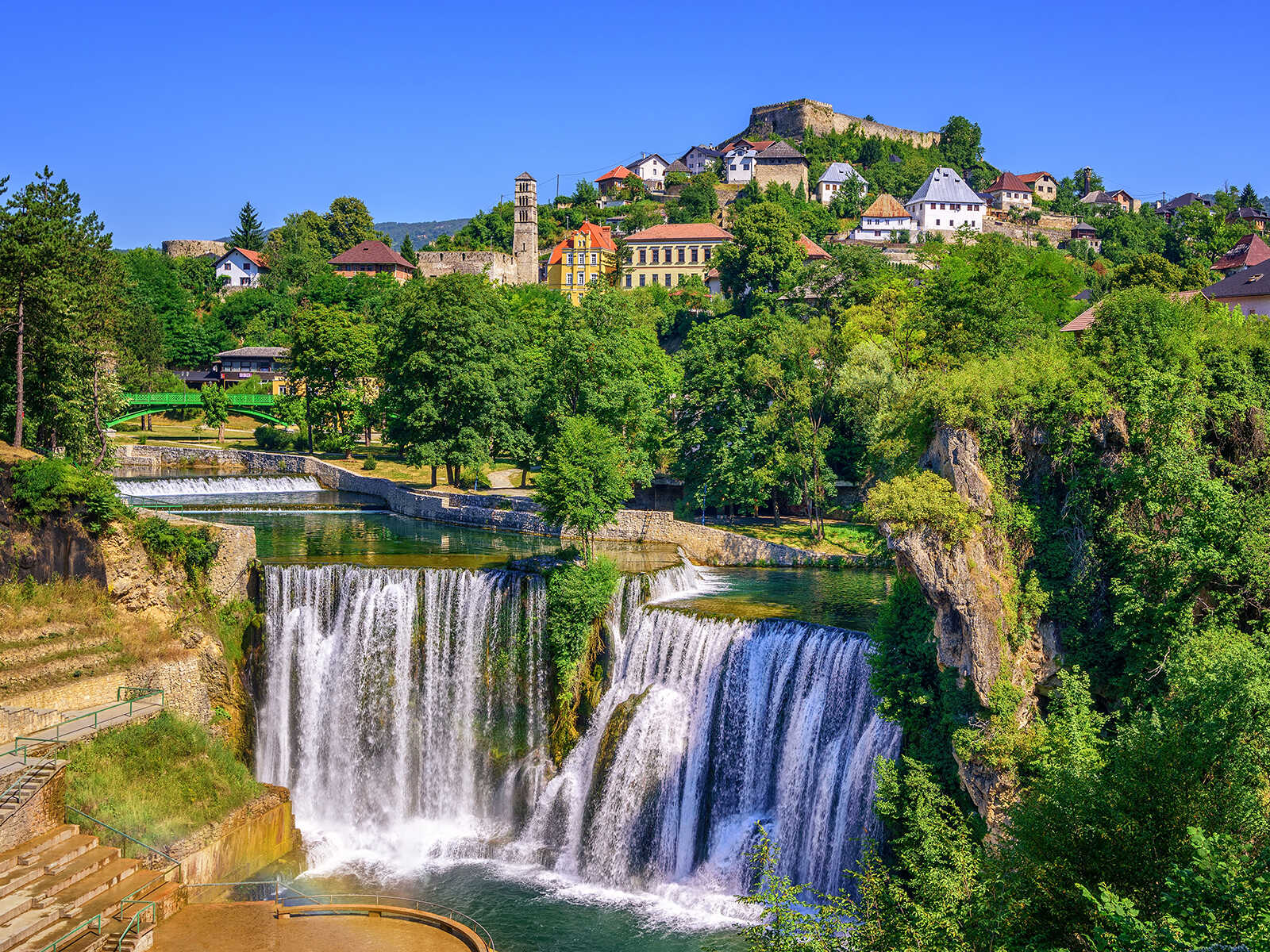
- National Parks:In areas like Una National Park or Sutjeska National Park, follow park rules, stick to marked trails, and leave no trace. This also applies to popular natural springs like Vrelo Bosne or the stunning Pliva Waterfall.
- Winter Sports:If you're heading to ski resorts like Jahorina, standard mountain etiquette applies.
By approaching your travels in Bosnia and Herzegovina with an open mind and a willingness to embrace local customs, you'll not only have a smoother journey but also forge deeper, more meaningful connections with this resilient and beautiful country and its people. Your efforts to understand and respect their way of life will be genuinely appreciated, enriching your experience beyond measure.