
Jajce, Bosnia and Herzegovina: The Pliva Waterfall and Royal City Guide
Nestled in the heart of Bosnia and Herzegovina, Jajce is a town where history and nature converge in spectacular fashion. Famous for its unique waterfall cascading directly into the town center, Jajce offers a captivating journey through centuries of royal heritage and breathtaking landscapes. This guide explores the must-see attractions and practical tips for visiting this extraordinary destination.
The Iconic Pliva Waterfall: A Natural Wonder in the City
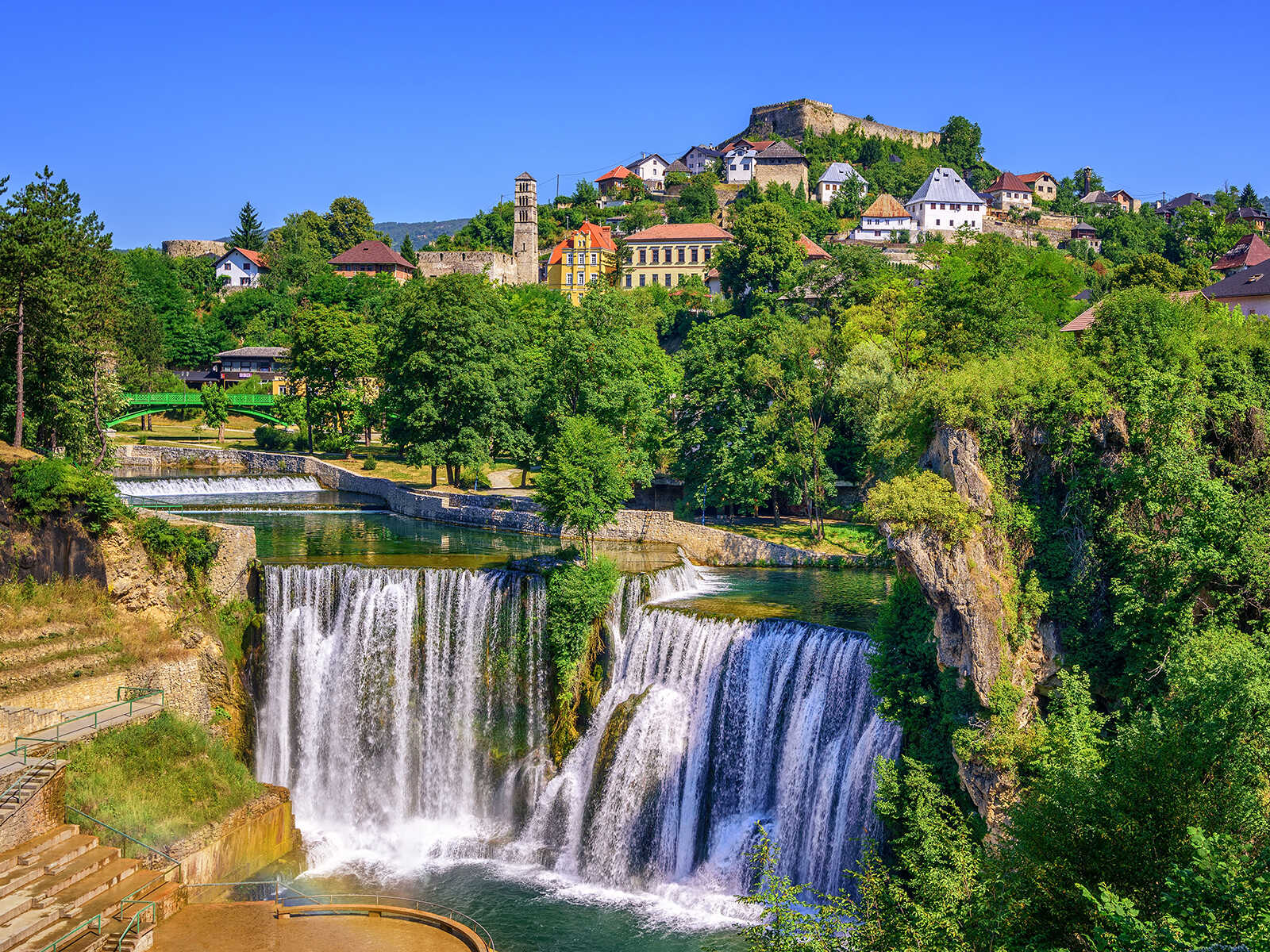
Jajce's most defining feature is undoubtedly the magnificent Pliva Waterfall, a natural marvel unlike any other in Europe. Here, the Pliva River plunges approximately 20 meters into the Vrbas River, right in the heart of the town. This natural phenomenon is not just a backdrop but an integral part of Jajce's identity, visible from numerous vantage points throughout the city.
Visitors can admire the waterfall from specially constructed viewing platforms, offering various perspectives on its power and beauty. The sound of the rushing water is a constant symphony, creating a serene yet vibrant atmosphere. During periods of heavy rainfall or snowmelt, the waterfall's volume dramatically increases, presenting an even more awe-inspiring spectacle.
Did you know?The Pliva Waterfall is one of only a handful of waterfalls in the world that flows directly into a populated city center, making it a truly unique urban natural wonder.
While marveling at the waterfall, take time to explore the immediate surroundings. The confluence of the Pliva and Vrbas rivers is a popular spot for kayaking and rafting enthusiasts, adding an adventurous dimension to the peaceful setting. The area is well-maintained, with paths leading to different viewpoints, ensuring every visitor finds their perfect photo opportunity.
Exploring the Royal City: A Journey Through History
Beyond its natural splendor, Jajce boasts a rich historical tapestry, earning it the moniker "Royal City." It served as the last capital of the independent Kingdom of Bosnia before its fall to the Ottoman Empire in the 15th century. This profound history is evident in its well-preserved medieval fortress and numerous historical monuments.
Jajce Fortress
Dominating the skyline above the town is the formidable Jajce Fortress. A climb to the top offers not only a fascinating glimpse into medieval defensive architecture but also panoramic views of Jajce, the Pliva Waterfall, and the surrounding valleys. The fortress walls, some dating back to the 14th century, enclose a complex history of Bosnian kings and Ottoman sultans.
Wandering through the fortress, you'll encounter remnants of towers, gates, and internal structures. It's a place where you can truly feel the weight of history, imagining the battles fought and the lives lived within its protective embrace.
The Catacombs
Beneath the Church of St. Mary (later converted into a mosque), lie the fascinating Jajce Catacombs. Carved into the rock in the early 15th century by order of Duke Hrvoje Vukčić Hrvatinić, these subterranean chambers were intended as a burial place for the duke and his family. The Catacombs offer a chilling yet captivating insight into medieval funerary practices and the spiritual life of the era.
Exploring the dimly lit passages and chambers, you'll discover altars and symbolic carvings, providing a unique historical experience that sets Jajce apart from many other historical towns.
St. Luke's Bell Tower and Church of St. Mary
Adjacent to the Catacombs stands St. Luke's Bell Tower, the only remaining part of the original medieval Church of St. Mary. This church holds significant historical importance as the place where the last Bosnian king, Stjepan Tomašević, was crowned. Following the Ottoman conquest, the church was converted into a mosque, known as the Fethija Mosque, and later fell into disrepair, with only the bell tower remaining largely intact.
The blend of Christian and Ottoman architectural influences found throughout Jajce tells a compelling story of cultural convergence and transformation, a narrative common in Bosnia and Herzegovina, also seen in cities like Mostar with its Old Bridge or Sarajevo's Baščaršija.
Other Historical Sights
- Esma Sultan Mosque:A beautiful example of Ottoman architecture, featuring intricate decorations and a tranquil courtyard.
- Mitraeum:A small, ancient Roman temple dedicated to the Persian god Mithras, providing evidence of Jajce's even older past.
- Bear Tower (Medvjed Kula):Part of the original city walls, this tower offers another glimpse into the town's defensive strategies.
The Pliva Lakes and Watermills: Picturesque Serenity
Just a few kilometers upstream from the waterfall, the Pliva River expands into two beautiful lakes: Veliko Plivsko Jezero (Great Pliva Lake) and Malo Plivsko Jezero (Small Pliva Lake). These serene lakes are a popular destination for recreation and relaxation, surrounded by lush greenery and charming landscapes.
One of the most iconic attractions on the Pliva Lakes is the cluster of historic wooden watermills, known locally asMlinčići. These picturesque mills, dating back to the Ottoman period, are beautifully preserved and stand on a narrow strip of land between the two lakes. They once served as essential flour mills for the local community and now offer a captivating photo opportunity and a peaceful place to stroll.
The lakes themselves are ideal for various activities:
- Boating and Kayaking:Rent a paddleboat or kayak to explore the calm waters.
- Fishing:The lakes are well-stocked with various fish species.
- Swimming:During the warmer months, the lakes offer a refreshing escape.
- Walking and Cycling:Trails around the lakes provide scenic routes for leisurely walks or bike rides.
Beyond Jajce: Day Trips and Nearby Attractions
Jajce's central location makes it an excellent base for exploring more of Bosnia and Herzegovina's natural and historical wonders. While Jajce offers a unique urban waterfall experience, you might also consider visiting other stunning natural sites in the country.
- For another spectacular display of cascading water and lush landscapes, plan a trip to Kravice Waterfalls in the south, or explore the pristine wilderness of Una National Park in the west, known for its untouched rivers and waterfalls.
- History enthusiasts might extend their journey to explore the medieval charm of Blagaj tekija near Mostar or the rugged beauty of Sutjeska National Park, home to one of Europe's last primeval forests.
Practical Tips for Visiting Jajce
To make the most of your visit to Jajce, consider these practical tips:
Getting There:Jajce is well-connected by bus to major cities in Bosnia and Herzegovina, including Sarajevo, Banja Luka, and Mostar. Driving is also a popular option, offering flexibility to explore the surrounding areas.
Best Time to Visit:The spring and summer months (April to September) offer the most pleasant weather for exploring outdoor attractions and enjoying the lakes. Spring sees the waterfall at its most powerful due to snowmelt, while summer is ideal for water activities.
Accommodation and Dining:Jajce offers a range of accommodation options, from guesthouses and private apartments to hotels. You'll find numerous restaurants and cafes serving traditional Bosnian cuisine, often with stunning views of the waterfall or the Vrbas River. Don't miss trying local specialties such asćevapiorburek.
Exploring the Town:Most of Jajce's main attractions are within walking distance of each other. Comfortable shoes are recommended, especially for climbing to the fortress or exploring the catacombs.
Conclusion
Jajce, Bosnia and Herzegovina, truly offers a unique travel experience. With its breathtaking Pliva Waterfall, a rich tapestry of history, and the tranquil beauty of the Pliva Lakes, it's a destination that captivates every visitor. Whether you're a history buff, a nature lover, or simply seeking a charming escape, the Royal City of Jajce promises an unforgettable journey into the heart of Bosnia and Herzegovina.