
Is Bosnia and Herzegovina Safe for Travelers? A Comprehensive Guide
Bosnia and Herzegovina, with its rich history, stunning landscapes, and vibrant culture, is increasingly drawing the attention of global travelers. A common question for first-time visitors, however, revolves around safety – a concern often rooted in past conflicts rather than present realities. This guide aims to provide a comprehensive, factual overview of what travelers can expect regarding safety in this captivating Balkan nation.
Dispelling Myths: The Reality of Safety in Bosnia and Herzegovina
Many perceptions of Bosnia and Herzegovina are still unfortunately shaped by the 1990s conflict. However, the country has undergone significant transformation and is now a peaceful, welcoming destination for tourists. Major cities like Sarajevo and Mostar, along with popular natural attractions, are generally very safe, boasting low crime rates comparable to many Western European nations. The warmth and hospitality of the Bosnian people are legendary, and visitors often leave with a deep appreciation for the genuine kindness they encounter.
Common Safety Concerns and Practical Advice
Petty Crime
As in any popular tourist destination, petty crime such as pickpocketing or bag snatching can occur, particularly in crowded areas like markets, bus stations, or major tourist sites such as Baščaršija in Sarajevo or around the Old Bridge in Mostar. These incidents are rare but possible.
Advice:Be aware of your surroundings, keep valuables secure and out of sight, and avoid displaying large sums of cash. Use reputable taxis and be cautious of unsolicited help at transport hubs. It's always a good idea to secure your belongings, especially in bustling tourist zones.
Traffic and Road Safety
Road conditions vary, with major routes generally well-maintained, but rural roads can be less so. Driving habits can be more aggressive than what some visitors are accustomed to, and pedestrians should also exercise caution, as pedestrian crossings are not always strictly observed by drivers. Public transport, especially intercity buses, is generally reliable and a common way to travel between cities.
Advice:If driving, drive defensively, adhere to speed limits, and be particularly vigilant when walking near busy roads. Always wear your seatbelt. When using taxis, ensure the meter is used or agree on a price beforehand.
The Legacy of Landmines
The most serious historical safety concern is the presence of unexploded landmines from the 1990s war. While significant clearance efforts have been made, particularly in populated areas and main tourist routes, a risk remains in some very remote, unmarked areas, mostly in isolated rural regions. It's crucial to understand that tourist areas are extensively cleared.
Advice:Stick to marked roads, trails, and paths.Never venture into unmarked or abandoned areas, especially off-the-beaten-path in rural regions. Consult local authorities or guides if you plan to explore remote wilderness, such as parts of Sutjeska National Park, though popular hiking trails are typically safe. Heed warning signs and never touch any suspicious objects.
The vast majority of tourist areas, cities, and main roads in Bosnia and Herzegovina have been cleared of landmines and are considered safe. Travelers are primarily at risk only if they deliberately stray into clearly marked or obviously abandoned, remote areas.
Political Stability
Bosnia and Herzegovina has a complex political structure, but the country has been peaceful for over two decades. Political disagreements primarily occur within parliamentary frameworks and rarely impact tourists or daily life. The country is a functioning democracy with a stable environment for visitors.
Advice:Stay informed through reliable news sources, but generally, there's no need for travelers to be concerned about political instability affecting their trip. Focus on enjoying the rich cultural experiences.
Health and Emergency Services
Medical Facilities
Healthcare facilities in major cities are adequate for routine care, but may not meet Western European or North American standards for complex procedures. Emergency services are available, but response times can vary, especially in more rural areas. Always be prepared for potential language barriers.
Advice:Ensure you have comprehensive travel insurance that covers medical emergencies and potential medical evacuation. Carry any necessary prescription medications with you, along with a copy of your prescription and a doctor's note if possible.
Pharmacies and Basic Needs
Pharmacies (apoteka) are widely available in towns and cities, often marked with a green cross. Many pharmacists speak some English and can offer advice for minor ailments. Basic over-the-counter medications are readily accessible.
Advice:It's always wise to carry a basic first-aid kit for minor cuts, headaches, or stomach upsets. For specific needs, it's best to bring them from home.
Cultural Nuances and Respectful Travel
Bosnians are renowned for their hospitality and warmth towards visitors. Understanding and respecting local customs will greatly enhance your experience and ensure safe and pleasant interactions.
Language and Communication
The official languages are Bosnian, Croatian, and Serbian, which are mutually intelligible. In tourist areas, younger generations often speak English, especially in Sarajevo and Mostar. Learning a few basic phrases like "Dobar dan" (Good day), "Hvala" (Thank you), or "Molim" (Please/You're welcome) will be greatly appreciated by locals.
Advice:A translation app can be helpful, but don't be afraid to try communicating; locals are generally very patient and appreciative of the effort.
Dress Code and Conduct
Bosnia and Herzegovina is a secular country, but with a significant Muslim population, especially in the Federation entity, and a strong Orthodox Christian presence in Republika Srpska. When visiting religious sites like mosques or churches, dress modestly (shoulders and knees covered). For example, at the Dervish monastery of Blagaj Tekija, modest attire is expected, and women may be asked to cover their heads. Public displays of affection are generally frowned upon.
Advice:Always respect local customs and traditions, particularly during religious holidays and when entering places of worship. Observe how locals dress and follow their lead.
Safety in Popular Destinations and Activities
Urban Exploration
Cities like Sarajevo are generally very safe for walking around, even at night in well-lit, populated areas. Explore historical sites like the Sarajevo Tunnel, wander through the vibrant streets of Baščaršija, or visit the impressive Mehmed Paša Sokolović Bridge in Višegrad with peace of mind. Mostar, with its iconic Old Bridge, is also very welcoming, though its cobbled streets can be slippery when wet.
Nature and Adventure Tourism
Bosnia and Herzegovina offers incredible opportunities for outdoor enthusiasts. Hiking, rafting, and skiing are popular and generally safe when proper precautions are taken.
- Hiking:Trails in national parks like Una National Park or Sutjeska National Park are generally well-maintained. Always stay on marked paths and inform someone of your route.
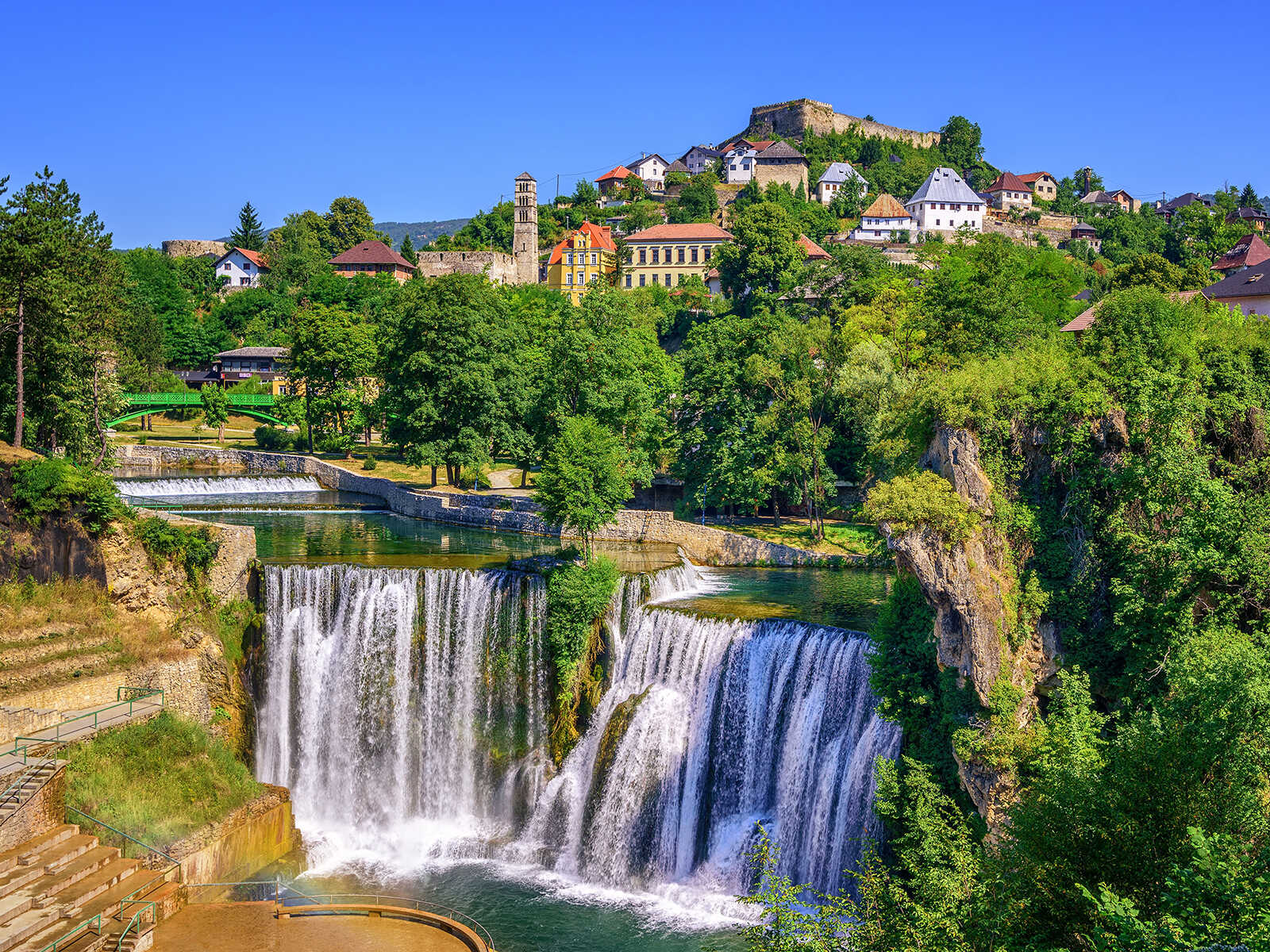
- Water Activities:Swimming at Kravice Waterfalls, exploring the serene springs at Vrelo Bosne, or seeing the Pliva Waterfall in Jajce are safe and popular. For rafting on rivers like the Neretva or Una, always use reputable, certified tour operators with experienced guides.
- Winter Sports:Ski resorts like Jahorina offer modern facilities and are comparable to other European ski destinations. Adhere to slope rules and safety guidelines.
Essential Tips for a Safe Trip
- Stay Informed:Keep an eye on local news or government travel advisories if concerns arise, though these are rare.
- Secure Valuables:Use hotel safes, carry minimal cash, and distribute your money and cards in different places.
- Emergency Contacts:Know local emergency numbers (Police: 122, Fire: 123, Ambulance: 124). Have your embassy's contact details handy.
- Travel Insurance:Do not travel without comprehensive insurance that covers medical emergencies, theft, and trip cancellation.
- Trust Your Instincts:If a situation feels uncomfortable or unsafe, remove yourself from it.
- Local Guidance:When exploring remote or less-traveled areas, consider hiring a local guide who knows the terrain and local conditions.
Conclusion: Embrace the Beauty of Bosnia and Herzegovina
Bosnia and Herzegovina is a truly captivating country that offers a unique blend of East and West, ancient history, and breathtaking nature. While it's always wise for travelers to be mindful of their surroundings and practice common-sense safety measures, the overall assessment is overwhelmingly positive: Bosnia and Herzegovina is safe for travelers. By following simple precautions and embracing the renowned hospitality of its people, you can enjoy a memorable and enriching experience in this hidden gem of the Balkans.