
Getting Around Bosnia and Herzegovina: Your Ultimate Transportation Guide
Navigating a new country can seem daunting, but getting around Bosnia and Herzegovina is an adventure in itself, offering diverse landscapes and unique ways to travel. From bustling city centers to serene mountain roads, understanding the local transportation options will enhance your journey and allow you to explore this captivating Balkan gem with ease.
Arriving in Bosnia and Herzegovina
Most international travelers arrive via Sarajevo International Airport (SJJ), though other regional airports like Mostar and Banja Luka also serve limited international routes. Once you land, taxis and pre-arranged transfers are readily available to take you to your accommodation. Depending on your airline and origin, you might also consider flying into nearby Zagreb (Croatia) or Belgrade (Serbia) and continuing your journey to Bosnia and Herzegovina by bus or rental car.
Getting Around Major Cities
Bosnia and Herzegovina's cities each offer a distinct flavor, and thankfully, getting around them is generally straightforward, blending historical charm with modern convenience.
Public Transport
Sarajevo, the capital, boasts a comprehensive public transport network comprising trams, trolleybuses, and buses. The tram system, one of the oldest in Europe, is particularly iconic and efficient for navigating the city center and reaching key areas. You can purchase tickets directly from the driver or at kiosks. For attractions like the historical Baščaršija, the city center is best explored on foot, but public transport can take you further afield to sites like the Sarajevo Tunnel Museum or the beautiful springs of Vrelo Bosne.
InMostar, the historical core around the Old Bridge is primarily pedestrian-friendly, making walking the ideal way to soak in its Ottoman-era atmosphere. Local buses do operate, connecting different parts of the city, and can be useful for reaching destinations slightly outside the center, such as the Dervish House at Blagaj tekija.
Banja Luka, the second-largest city, relies mainly on a bus network for public transportation, efficiently connecting various neighborhoods and points of interest.
Taxis and Ride-Sharing
Taxis are widely available in all major cities. It's advisable to use official taxi stands or call a reputable company rather than hailing unmarked cars. Always confirm the price or ensure the meter is running to avoid misunderstandings. While traditional ride-sharing apps like Uber are not widely present, local alternatives or taxi-hailing apps may be available in larger cities, offering a convenient way to get around.
Walking
For city centers, walking is often the most rewarding way to explore. It allows you to discover hidden alleys, unique shops, and quaint cafes that you might otherwise miss. Most historical districts are compact and designed for pedestrian exploration.
Intercity Travel: Connecting Bosnia and Herzegovina
Traveling between cities in Bosnia and Herzegovina is generally easy, with several reliable options available.
Buses: The Backbone of Bosnian Travel
Buses are the most popular and comprehensive mode of intercity transport in Bosnia and Herzegovina. A vast network connects virtually all towns and cities, offering frequent services. Major routes, such as Sarajevo to Mostar, Mostar to Banja Luka, or Sarajevo to Tuzla, are well-served with comfortable coaches. Bus stations are typically centrally located. It's a good idea to purchase tickets in advance during peak season or for popular routes, though often you can buy them at the station just before departure. Luggage usually incurs a small additional fee.
Trains: A Scenic, Though Limited, Option
While not as extensive as the bus network, trains in Bosnia and Herzegovina offer a unique and often scenic travel experience. The most famous route is undoubtedly the journey between Sarajevo and Mostar, which carves through dramatic mountains and picturesque valleys. This route is particularly recommended for its stunning views. Other train lines connect Sarajevo with Banja Luka and further north. Train services are generally slower and less frequent than buses but provide a comfortable and relaxing way to see the country's interior. Check schedules in advance as they can be limited.
Fun Fact:The Sarajevo-Mostar railway line is celebrated for its breathtaking engineering, navigating through numerous tunnels and bridges as it traverses the Dinaric Alps, offering unparalleled views of the Bosnian landscape.
Car Rental: Freedom to Explore
Renting a car offers the ultimate flexibility, especially if you plan to venture off the beaten path or visit multiple remote attractions. Major international and local car rental agencies operate in Sarajevo and other larger cities. An international driving permit is usually required in addition to your national license. Roads range from modern highways to winding, narrow mountain passes. Driving allows you to easily reach natural wonders like Kravice Waterfalls, the ski slopes of Jahorina, or the pristine wilderness of Una National Park and Sutjeska National Park. Always be mindful of road conditions, especially outside urban areas, and be prepared for toll roads on some major routes.
Exploring Rural Areas and National Parks
For destinations beyond the main urban centers, planning your transport becomes more crucial.
Car Rental
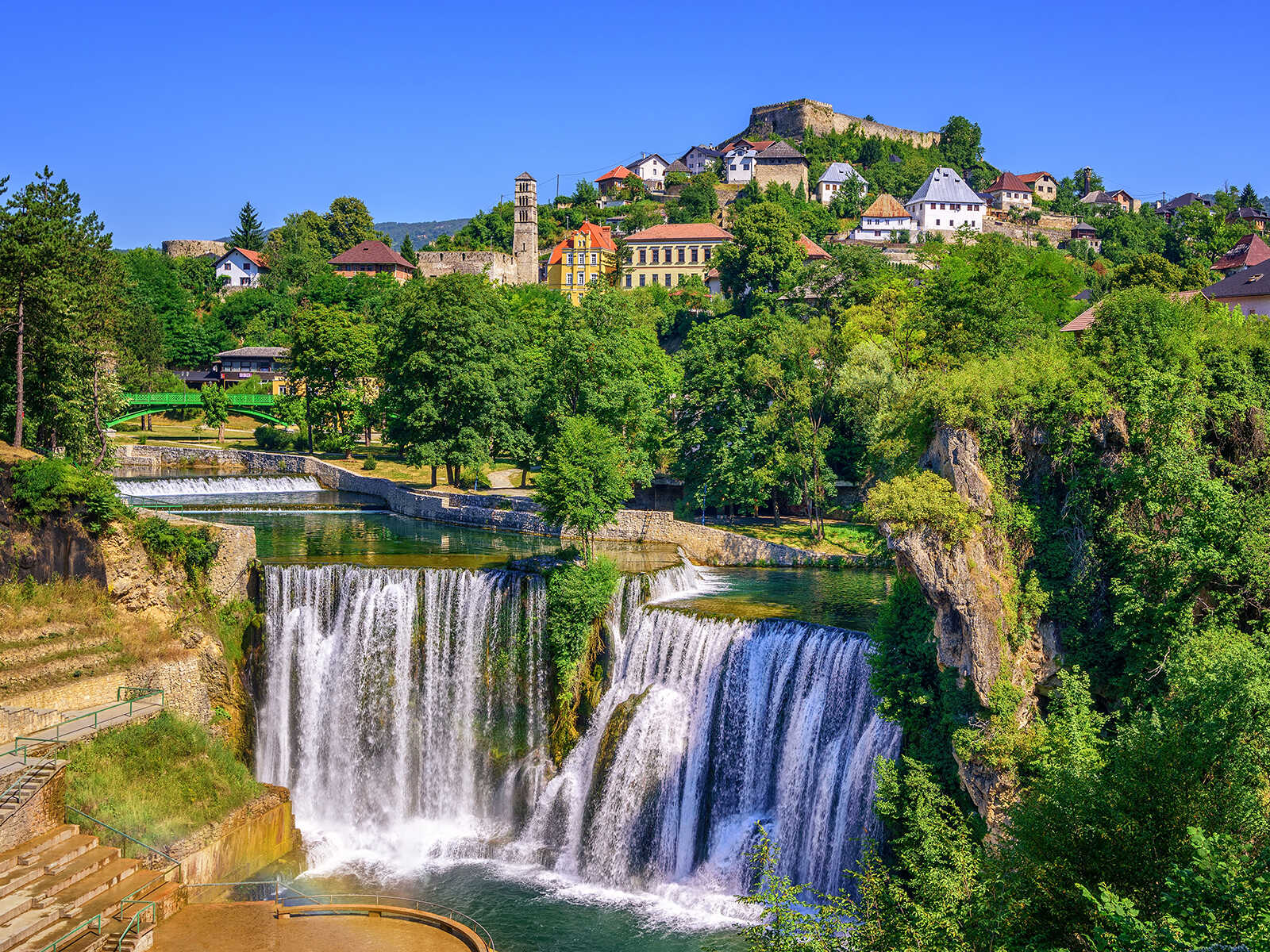
As mentioned, a rental car is often the best option for exploring Bosnia and Herzegovina's stunning rural landscapes, including national parks, remote villages, and specific historical sites like the Mehmed Paša Sokolović Bridge in Višegrad or the Pliva Waterfall near Jajce. It provides the freedom to set your own pace and discover hidden gems.
Organized Tours
Many tour operators offer day trips or multi-day excursions to popular attractions like Kravice Waterfalls,Blagaj tekija, or the national parks. These tours often include transportation, a guide, and sometimes meals, making them a convenient option if you prefer not to drive or deal with logistics.
Private Transfers
For a more personalized and comfortable experience, private transfers can be arranged through hotels or local agencies. This is an excellent option for direct travel to specific destinations, especially if you're traveling with luggage or a group.
Practical Tips for Travelers
- Navigation Apps:Google Maps and other navigation apps work well, but it's always good to have an offline map downloaded, especially in rural areas where internet connectivity might be spotty.
- Language:While many people in tourist areas speak English, learning a few basic phrases in Bosnian/Croatian/Serbian can be helpful, particularly when dealing with bus drivers or taxi operators outside major cities.
- Road Conditions:Main roads are generally well-maintained, but rural roads can be less so, with varying surfaces. Drive cautiously, especially in mountainous regions.
- Border Crossings:If you plan to visit neighboring countries, ensure your rental car agreement allows for international travel and that you have all necessary documentation.
- Flexibility:While generally efficient, public transport schedules can occasionally be subject to minor delays. Maintain a flexible attitude and enjoy the journey!
Bosnia and Herzegovina offers a wealth of experiences, and with a good understanding of its transportation options, you're well-equipped to explore its vibrant cities, historical treasures, and breathtaking natural beauty. Whether by bus, train, or car, your journey through this enchanting country promises to be unforgettable.