
Things to Do in La Paz, Bolivia: An Ultimate City Guide
Perched high in the Andes, La Paz, Bolivia, is a city that defies gravity and expectation. As the world's highest de facto capital, it offers an exhilarating blend of ancient Aymara traditions, colonial history, and a vibrant modern pulse. Prepare to be captivated by its dramatic landscapes, bustling markets, and a unique cultural tapestry found nowhere else on Earth.
Navigating La Paz: Getting Around the City of Heights
Exploring La Paz is an adventure in itself, not just because of its steep hills but also due to its innovative transport systems.
Mi Teleférico: The Sky's the Limit
The standout feature of La Paz's public transport isMi Teleférico, the world's highest and longest urban cable car system. More than just a way to get around, these colorful lines crisscrossing the sky offer unparalleled panoramic views of the city, its surrounding mountains, and a unique perspective on daily life below. It's an attraction in itself, connecting different neighborhoods and providing a breathtaking journey above the urban sprawl.
Walking and Public Transport
While the cable car is essential, much of the central area is best explored on foot, allowing you to discover hidden alleys and local shops. Be prepared for steep inclines and declines! For longer distances or when your legs need a rest, minibuses and shared taxis (microsandtrufis) are readily available and affordable, though navigating routes can be a challenge without some basic Spanish.
Must-See Attractions and Experiences in La Paz
From ancient rituals to stunning natural wonders, La Paz offers an array of sights to satisfy every traveler.
Witches' Market (Mercado de las Brujas)
Step into a world of mysticism at the fascinating Witches' Market, located along Calle Sagarnaga and adjacent streets. Here, Aymara healers (yatiri) sell traditional remedies, potions, and offerings, most notably dried llama fetuses used in rituals for good luck and Pachamama (Mother Earth) blessings. It's an intriguing glimpse into indigenous beliefs and practices.
Plaza Murillo
As the political heart of Bolivia, Plaza Murillo is surrounded by significant historical buildings, including the Presidential Palace (Palacio Quemado), the National Congress, and the La Paz Cathedral. It's a beautiful square to relax, people-watch, and observe the pigeons that congregate here. The square often hosts political demonstrations and cultural events, offering a pulse on Bolivian society.
San Francisco Church and Square
The majestic Basilica of San Francisco is one of La Paz's most iconic landmarks, boasting intricate mestizo-baroque architecture. Its ornate facade depicts a fusion of Catholic and indigenous symbols. The adjacent square is a bustling hub, popular with street vendors, musicians, and locals, offering a vibrant slice of city life.
Museums and Galleries
Dive deeper into Bolivian culture and history by visiting some of La Paz's excellent museums. TheNational Museum of Ethnography and Folklore (MUSEF)offers insightful exhibits on indigenous cultures, textiles, and masks. For a unique perspective on a controversial plant, theMuseo de la Cocaexplores the history and cultural significance of the coca leaf in Andean society.
Valle de la Luna (Valley of the Moon)
Just a short drive from the city center, the Valle de la Luna presents an otherworldly landscape of eroded clay and sandstone formations, resembling a lunar surface. Wander through the maze-like canyons and spires, offering fantastic photo opportunities and a stark contrast to the bustling city.
The Death Road (North Yungas Road)
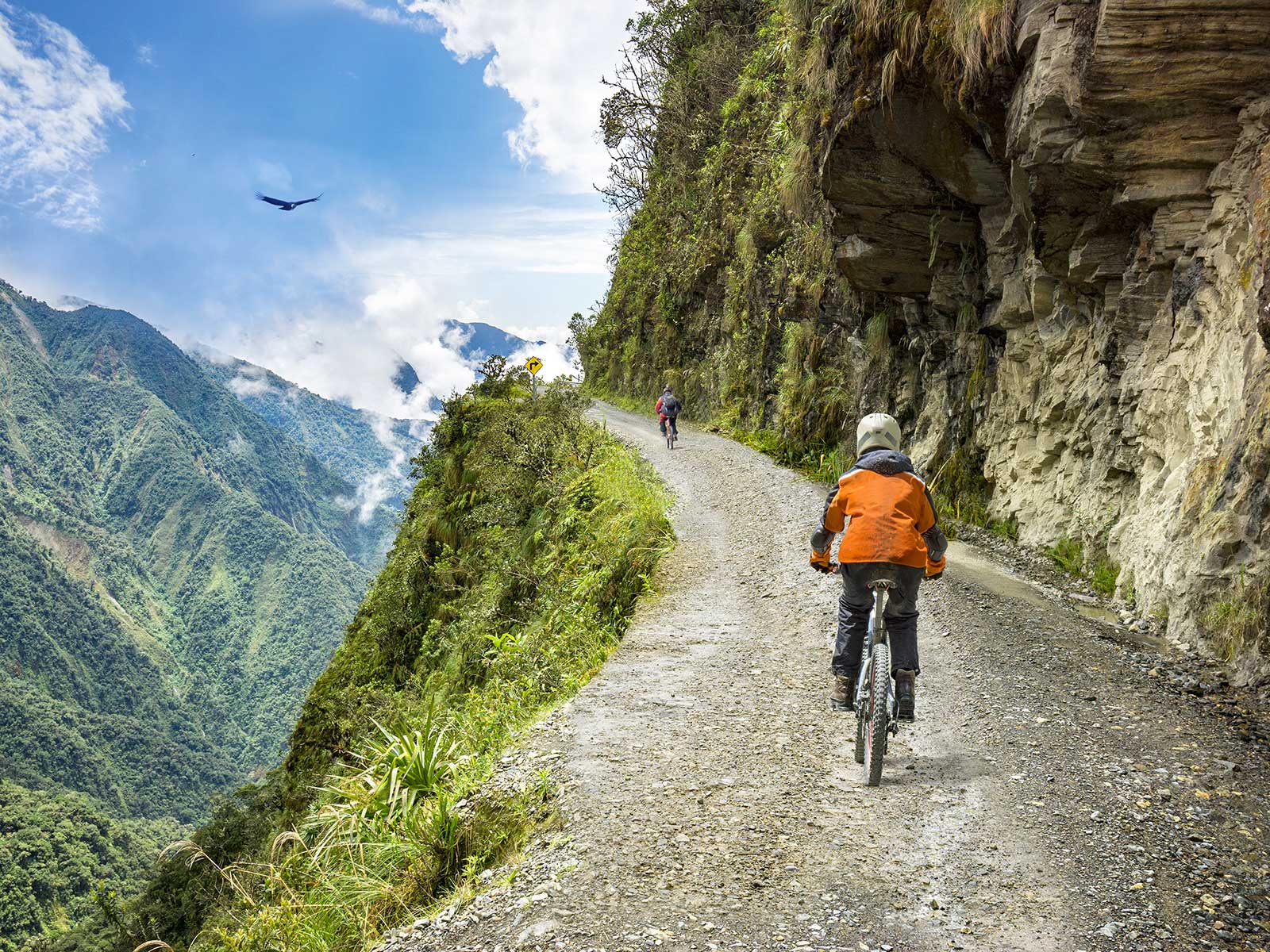
For the adventurous, mountain biking down the infamous "Death Road" (Camino de la Muerte) is a popular adrenaline-pumping activity. Descending from the chilly heights of La Paz to the lush Yungas jungle, this narrow, winding road offers breathtaking scenery and a thrilling ride. While safer routes are now available for vehicles, the old road remains a draw for cyclists.
Day Trips from La Paz
La Paz serves as an excellent base for exploring some of Bolivia's most significant natural and archaeological wonders.
- Lake Titicaca and Isla del Sol:Venture to Lake Titicaca, the world's highest navigable lake, and visit the charming town of Copacabana. From there, take a boat to Isla del Sol, a sacred island steeped in Inca mythology, offering stunning views and ancient ruins.
- Tiwanaku Ruins:Explore the impressive pre-Inca archaeological site of Tiwanaku, once the spiritual and political center of a powerful Andean civilization. Marvel at the Gate of the Sun, monolithic statues, and ancient temples, gaining insight into a sophisticated culture that predates the Incas.
- Sajama National Park:For those seeking high-altitude wilderness, a trip to Sajama National Park offers spectacular landscapes dominated by Bolivia's highest peak, Mount Sajama, hot springs, geysers, and unique wildlife like vicuñas. While often a multi-day trip, it's a profound experience for nature lovers.
Immerse Yourself: Cultural Experiences in La Paz
Beyond its sights, La Paz truly comes alive through its vibrant cultural scene.
Taste La Paz: Culinary Delights
Don't leave without sampling the local cuisine. From hearty street foods likesalteñas(savory baked empanadas) andanticuchos(grilled beef heart skewers) to traditional dishes in local restaurants, La Paz offers a flavorful journey. Explore the Mercado Lanza for a bustling food hall experience or seek out higher-end restaurants offering modern Bolivian fusion.
Cholita Wrestling
For a truly unique and entertaining spectacle, catch a Cholita Wrestling match. These Bolivian indigenous women, dressed in their traditional voluminous skirts and bowler hats, engage in theatrical lucha libre, captivating audiences with their acrobatic moves and dramatic flair. It's a fun, family-friendly event that celebrates Aymara culture and female empowerment.
Folklore Peña Shows
Experience the rich musical heritage of Bolivia at aPeñashow. These cultural evenings feature live traditional Andean music, often accompanied by vibrant dance performances in colorful costumes. It's an excellent way to enjoy an evening of authentic Bolivian entertainment.
Practical Tips for Your La Paz Adventure
To ensure a smooth and enjoyable trip, keep these practical considerations in mind.
Acclimatization to Altitude
La Paz is high!With elevations ranging from 3,200 to 4,100 meters (10,500 to 13,500 feet) above sea level, altitude sickness (soroche) is a real concern. Take it easy on your first day or two, stay hydrated, avoid alcohol, and consider drinking coca tea, a traditional remedy for altitude symptoms.
Safety and Security
Like any large city, it's wise to be aware of your surroundings. Keep valuables secure, avoid walking alone at night in poorly lit areas, and be cautious of scams. Use official taxis or ride-sharing apps, and always agree on a fare beforehand if possible.
Best Time to Visit
The dry season, from May to October, offers clear skies and cooler temperatures, making it ideal for exploring. The wet season (November to April) brings rain, but also lush green landscapes and fewer tourists.
Language
While Spanish is the official language, many locals, especially in markets, speak Aymara or Quechua. Learning a few basic Spanish phrases will greatly enhance your experience.
Conclusion: La Paz Awaits
La Paz is more than just a city; it's an experience that awakens the senses and challenges perceptions. From its dizzying heights and ancient traditions to its modern innovations and bustling streets, it offers an unforgettable journey into the heart of Bolivia. Prepare to be amazed by its unique charm and the warmth of its people. Your ultimate La Paz adventure begins now!