
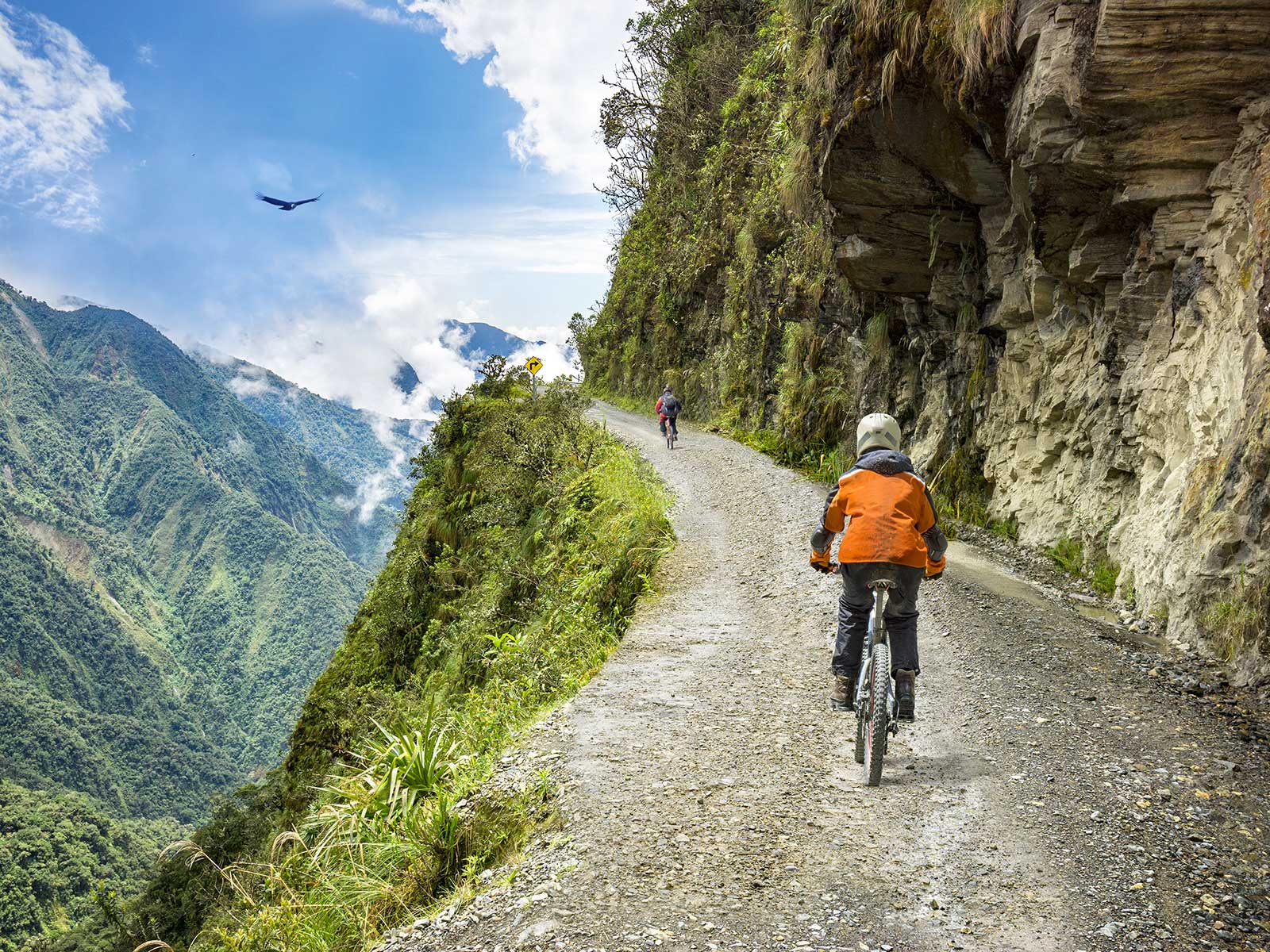
Responsible Tourism in Bolivia: Travel with Impact
Bolivia is a land of breathtaking landscapes, vibrant cultures, and unparalleled biodiversity. As you plan your adventure to this incredible South American nation, consider how your journey can leave a positive mark. Embracing responsible tourism in Bolivia means traveling in a way that respects local communities, preserves the environment, and contributes meaningfully to the country's sustainable development.
Responsible travel isn't just a trend; it's a commitment to making a difference. By making conscious choices, you can ensure that your exploration of Bolivia's majestic Andes, vast Amazon, and ancient traditions directly benefits the people and places you visit, creating an authentic and impactful experience for everyone involved.
What is Responsible Tourism in Bolivia?
At its core, responsible tourism in Bolivia is about minimizing negative impacts and maximizing positive contributions. It encompasses environmental conservation, socio-cultural respect, and economic benefits for local communities. For a country as diverse and ecologically fragile as Bolivia, where many indigenous communities rely directly on their natural surroundings and cultural heritage, this approach is crucial.
It's about being an aware and engaged traveler, recognizing that your choices, from where you stay to what you buy, have a ripple effect. By supporting ethical tour operators, local businesses, and community-based initiatives, you help protect Bolivia's unique identity for future generations of both locals and visitors.
Pillars of Responsible Travel in Bolivia
1. Supporting Local Economies
One of the most direct ways to travel responsibly in Bolivia is to ensure your money stays within the local economy. This means prioritizing local businesses over international chains.
- Choose Locally-Owned Accommodation:Opt for family-run guesthouses, eco-lodges, or locally managed hotels.
- Eat Local:Seek out local restaurants, market stalls, and street food vendors. Not only will you taste authentic Bolivian cuisine, but your money directly supports families and small businesses.
- Buy Local Crafts and Souvenirs:When shopping for gifts, look for authentic, handmade items. Places like Calle Sagarnaga in La Paz are famous for their artisanal markets. Bargain fairly, but remember that a few extra bolivianos can make a significant difference to a local artisan.
- Hire Local Guides:For tours, whether it's exploring Salar de Uyuni, trekking through the Andes, or navigating Madidi National Park, employing local guides provides invaluable income and ensures you benefit from their deep knowledge and connection to the land and culture.
Tip:Look for businesses that clearly state their commitment to local employment and fair wages. A quick question to your guide or hotel owner can often reveal their practices.
2. Environmental Preservation
Bolivia boasts incredible biodiversity, from the Andean peaks to the Amazon rainforest. Protecting these precious ecosystems is paramount for responsible travelers.
- Minimize Waste:Reduce plastic use by carrying a reusable water bottle and refilling it. Dispose of all waste properly, and avoid littering. Even better, carry out what you carry in, especially in remote areas like Reserva Eduardo Avaroa or Sajama National Park.
- Conserve Resources:Be mindful of your water and electricity consumption, particularly in areas where resources are scarce.
- Respect Wildlife and Habitats:Never feed wild animals, disturb their natural behavior, or purchase products made from endangered species. When visiting protected areas like Madidi National Park, stick to marked trails and follow all park regulations.
- Choose Eco-Friendly Operators:Support tour companies that demonstrate a commitment to environmental sustainability, using low-impact practices and contributing to conservation efforts.
3. Cultural Respect and Engagement
Bolivia is rich in indigenous cultures, ancient traditions, and vibrant customs. Engaging respectfully with these cultures enhances your experience and honors the local heritage.
- Learn Basic Phrases:Even a few words in Spanish, Quechua, or Aymara can open doors and show respect.
- Ask for Permission:Before taking photos of people, especially indigenous individuals, always ask for their permission. A simple gesture or "¿Puedo sacar una foto?" goes a long way.
- Dress Appropriately:When visiting religious sites like the Sucre Cathedral or traditional communities, dress modestly as a sign of respect.
- Understand Local Customs:Research local etiquette regarding greetings, gestures, and social interactions. For example, understanding the significance of Pachamama (Mother Earth) is key when visiting sites like Tiwanaku or communities around Lake Titicaca.
- Participate Ethically in Cultural Tours:Choose tours that genuinely benefit communities and offer authentic cultural exchange, rather than exploitative or staged encounters.
4. Ethical Interactions and Community Benefit
Beyond direct economic support, ethical interactions ensure your presence has a positive social impact.
- Fair Bargaining:While bargaining is common in markets, do so respectfully. Remember that even a small amount of money to you can be significant for a vendor.
- Avoid Giving to Beggars:While well-intentioned, direct monetary handouts can sometimes perpetuate cycles of poverty or discourage sustainable solutions. Instead, support local charities or community projects, or purchase goods/services from vendors.
- Research Volunteer Opportunities Carefully:If considering volunteering, ensure the organization is reputable, ethical, and truly benefits the community, rather than displacing local labor or creating dependency.
- Be Mindful of Your Presence:As a visitor, you are a guest. Be humble, open-minded, and prepared to learn. Your attitude can significantly shape your interactions.
Responsible Tourism in Action: Destinations and Experiences
Bolivia offers numerous opportunities to practice responsible tourism, often in its most iconic locations:
- Community-Based Tourism in the Amazon:Many indigenous communities bordering Madidi National Park offer eco-lodge stays and guided tours. These initiatives are entirely community-owned and managed, providing income, protecting their land, and offering visitors an authentic, immersive experience.
- Highland Homestays:Around Lake Titicaca, especially on Isla del Sol or Isla de la Luna, you can find homestays with local Aymara families. This offers a unique cultural exchange and directly supports the island communities.
- Ethical Salar de Uyuni Tours:When booking a tour to the Uyuni Salt Flats, choose operators known for treating their drivers and guides fairly, maintaining their vehicles, and practicing responsible waste management in the fragile desert environment of the Reserva Eduardo Avaroa.
- Urban Exploration:In cities like Sucre, the constitutional capital, explore local markets near Plaza 25 de Mayo and dine at small, independent eateries. Visit historical sites like Sucre Cathedral and engage with local artisans. Similarly, in La Paz, support vendors on Calle Sagarnaga and local restaurants.
- Cultural Heritage Sites:When visiting ancient ruins like Tiwanaku or dinosaur footprints at Parque Cretácico, respect the site's rules, stay on designated paths, and support the local staff and facilities.
Your Impact as a Responsible Traveler
By consciously choosing to travel responsibly in Bolivia, you become more than just a tourist; you become a custodian, a contributor, and a cultural ambassador. Your journey helps preserve Bolivia’s natural wonders, uplift its diverse communities, and celebrate its rich heritage.
Every decision, from the souvenir you buy to the tour operator you choose, holds the power to create a positive ripple effect. Embrace the opportunity to travel with impact, and discover an even deeper, more meaningful connection with the heart of South America.