
La Paz vs Sucre: Choosing Your Ideal Bolivian City Escape
Bolivia, a land of stark beauty and rich cultural tapestry, offers two distinct urban experiences that often leave travelers pondering: should I visit La Paz or Sucre? While both cities provide a fascinating glimpse into Bolivian life, they couldn't be more different in atmosphere, altitude, and attractions. This guide will help you navigate their unique charms to decide which city best suits your travel style.
La Paz: The High-Altitude Metropolis
Perched dramatically in a bowl-shaped valley, La Paz is not only the administrative capital of Bolivia but also the world's highest de facto capital city, with its main urban area sitting at an astounding 3,640 meters (11,942 feet) above sea level. This dizzying altitude is just one aspect of its unforgettable character.
Vibe and Atmosphere
La Paz is a city of constant motion, a vibrant fusion of indigenous Aymara culture and modern urban life. The streets hum with activity, from bustling markets to the whirring of the iconic Mi Teleférico cable car system. Its landscape is a breathtaking spectacle, with red-brick buildings clinging to hillsides, all set against the majestic backdrop of Mount Illimani. It's an energetic, sometimes chaotic, but always captivating metropolis that promises an immersive experience.
Key Attractions and Activities
- Mi Teleférico:More than just transport, this extensive cable car network offers unparalleled panoramic views of the city and surrounding mountains. It's an essential experience for understanding La Paz's unique geography.
- Witches' Market (Mercado de las Brujas):Located on Calle Sagarnaga and adjacent streets, this intriguing market offers traditional remedies, amulets, and offerings used in Aymara rituals, including dried llama fetuses. It's a fascinating insight into indigenous beliefs.
- Historic City Center:Explore the colonial architecture around Plaza Murillo, home to the Presidential Palace and the Metropolitan Cathedral.
- Museums:Discover Bolivia's rich history and art at various museums, including the National Museum of Ethnography and Folklore.
Day Trips and Excursions
La Paz serves as an excellent base for exploring the high Andes and beyond:
- Tiwanaku:A UNESCO World Heritage site featuring the ruins of a pre-Incan civilization, about 70 km west of La Paz.
- Lake Titicaca:The highest navigable lake in the world, with Isla del Sol being a popular destination for its Inca ruins and stunning views, accessible via Copacabana.
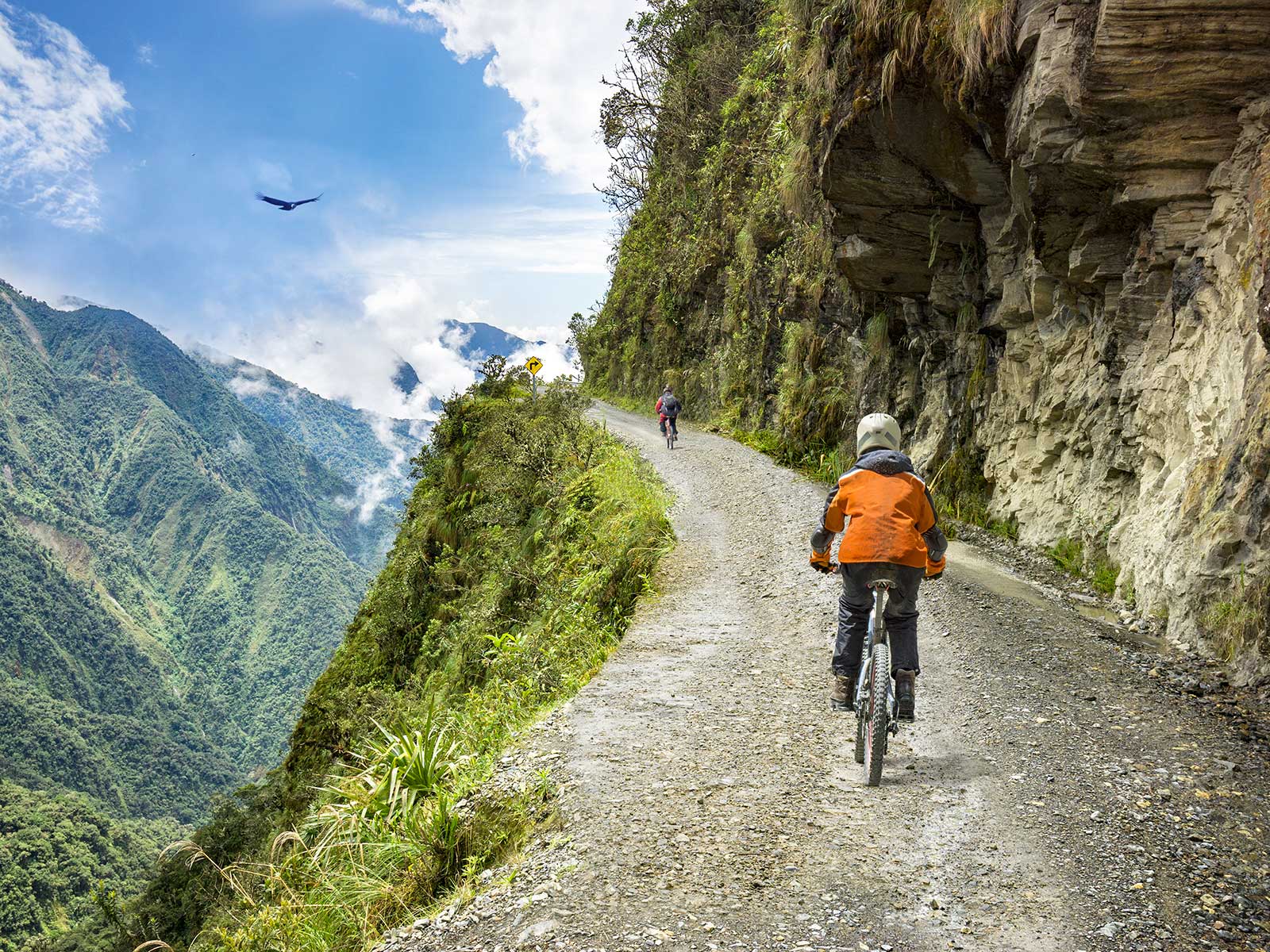
- Death Road (Yungas Road):Famous for mountain biking, this thrilling descent offers incredible scenery as you drop from the high altiplano to the lush cloud forest.
- Salar de Uyuni:While tours to the vast salt flats often depart from Uyuni town, many multi-day expeditions commence or conclude in La Paz, making it a convenient hub for this incredible adventure.
- Sajama National Park:Home to Bolivia's highest peak, Nevado Sajama, this park offers opportunities for hiking, hot springs, and spotting vicuñas and alpacas.
- Madidi National Park:For those seeking jungle adventure, flights to Rurrenabaque (gateway to Madidi) typically depart from La Paz.
Traveler Tip:Due to La Paz's extreme altitude, it's crucial to allow at least 2-3 days for acclimatization upon arrival. Take it easy, stay hydrated, and consider drinking coca tea to help mitigate altitude sickness.
Sucre: The White City of Bolivia
In stark contrast to La Paz, Sucre, Bolivia's constitutional capital, offers a graceful and tranquil escape. Nestled in a valley at a more comfortable altitude of 2,810 meters (9,219 feet), Sucre is renowned for its pristine white colonial architecture and its UNESCO World Heritage status.
Vibe and Atmosphere
Sucre exudes an elegant, relaxed charm. Its meticulously preserved historic center, characterized by whitewashed buildings, red-tiled roofs, and charming courtyards, feels like a step back in time. The pace of life here is noticeably slower, inviting visitors to wander its streets, soak in the history, and enjoy the pleasant climate. It's a city of learning, culture, and quiet beauty.
Key Attractions and Activities
- Plaza 25 de Mayo:The heart of Sucre, this leafy main square is surrounded by grand colonial buildings, including the Government Palace and the majestic Sucre Cathedral. It's a perfect spot for people-watching.
- Recoleta Viewpoint:Offering a stunning panorama of Sucre's white city against the backdrop of the surrounding hills, this historic Franciscan monastery complex is a must-visit, especially at sunset.
- Casa de la Libertad (Freedom House):Located on Plaza 25 de Mayo, this historic building is where Bolivia's Declaration of Independence was signed. It's a crucial site for understanding Bolivian history.
- Colonial Churches and Museums:Explore numerous beautiful churches, convents, and museums, such as the Museo de Arte Indígena (ASUR), showcasing indigenous textiles and art.
- Spanish Language Schools:Sucre is a popular destination for travelers looking to learn or improve their Spanish, thanks to its clear accent and relaxed environment.
Day Trips and Excursions
Sucre also offers interesting excursions:
- Tarabuco Market:Held every Sunday, this vibrant indigenous market is one of Bolivia's most authentic, offering traditional textiles, crafts, and a glimpse into local culture.
- Parque Cretácico:Just outside Sucre, this park boasts one of the world's largest collections of dinosaur footprints, offering a unique paleontological experience.
- 7 Cascadas:A series of natural waterfalls and pools, perfect for a refreshing dip and a short hike.
- Reserva Eduardo Avaroa:While more commonly accessed from Uyuni, Sucre can be a starting point for tours heading south into the breathtaking landscapes of this reserve, famous for its colored lagoons and flamingos.
Fun Fact:Sucre is often called the "White City" because of its predominantly whitewashed colonial buildings, a tradition that dates back centuries and helps reflect the strong sun.
La Paz vs Sucre: A Head-to-Head Comparison
To help you make an informed decision, here's a direct comparison of these two captivating Bolivian cities:
Altitude and Acclimatization
- La Paz:Significantly higher (~3,640m). Altitude sickness is a real concern and requires careful acclimatization.
- Sucre:More moderate (~2,810m). While still high, it's generally easier for most travelers to adjust, offering a more comfortable initial landing in Bolivia.
Pace of Life and Atmosphere
- La Paz:Fast-paced, bustling, energetic, dramatic, and often overwhelming. It's an urban adventure.
- Sucre:Relaxed, tranquil, elegant, and historically charming. It's a place for leisurely exploration.
Culture and Architecture
- La Paz:A vibrant blend of indigenous Aymara traditions and modern urban development. Architecture is a mix of colonial, modern, and dramatic hillside dwellings.
- Sucre:Predominantly Spanish colonial architecture, beautifully preserved, earning its UNESCO status. Strong emphasis on history and intellectual heritage.
Activities and Travel Style
- La Paz:Ideal for adventure seekers, those interested in unique urban landscapes, vibrant markets, and as a hub for high-altitude treks or jungle excursions.
- Sucre:Perfect for history buffs, culture enthusiasts, those seeking a relaxed pace, Spanish language learners, and anyone who appreciates colonial beauty.
Gateway to Other Regions
- La Paz:An excellent starting point for trips to Tiwanaku,Lake Titicaca,Salar de Uyuni,Sajama National Park, and the Amazon via Madidi National Park.
- Sucre:A good base for exploring southern Bolivia, including Tarabuco and Parque Cretácico, and offers routes to Reserva Eduardo Avaroa.
Choosing Your Bolivian Base: Who Should Go Where?
Choose La Paz if:
- You thrive in dynamic, high-energy environments.
- You're eager to experience a truly unique urban landscape and modern Andean culture.
- You plan on undertaking thrilling activities like Death Road biking or want a central hub for tours to Salar de Uyuni,Lake Titicaca, or the Amazon.
- You are confident in your ability to acclimatize to high altitudes.
Choose Sucre if:
- You prefer a more relaxed pace and a pleasant climate.
- You're fascinated by colonial history, beautiful architecture, and charming plazas.
- You want to immerse yourself in Bolivian culture in a less overwhelming setting, perhaps even studying Spanish.
- You appreciate a city that is easily walkable and offers a sense of tranquility.
Getting There and Getting Around
Both cities are well-connected by air and bus. Flights between La Paz and Sucre are common and relatively short. Long-distance buses offer a more scenic, albeit longer, journey. Within La Paz, the Mi Teleférico is an efficient and scenic way to get around, supplemented by minibuses and taxis. Sucre is largely walkable, especially its historic center, with taxis readily available for longer distances.
Conclusion
La Paz and Sucre, though vastly different, each offer an authentic and enriching Bolivian experience. La Paz presents an electrifying journey into high-altitude urban life and indigenous culture, while Sucre invites you to unwind amidst colonial grandeur and intellectual heritage. Your ideal Bolivian city escape ultimately depends on your travel style, energy levels, and what kind of adventure you seek. Perhaps, if time allows, the best approach is to experience the distinct magic of both.