
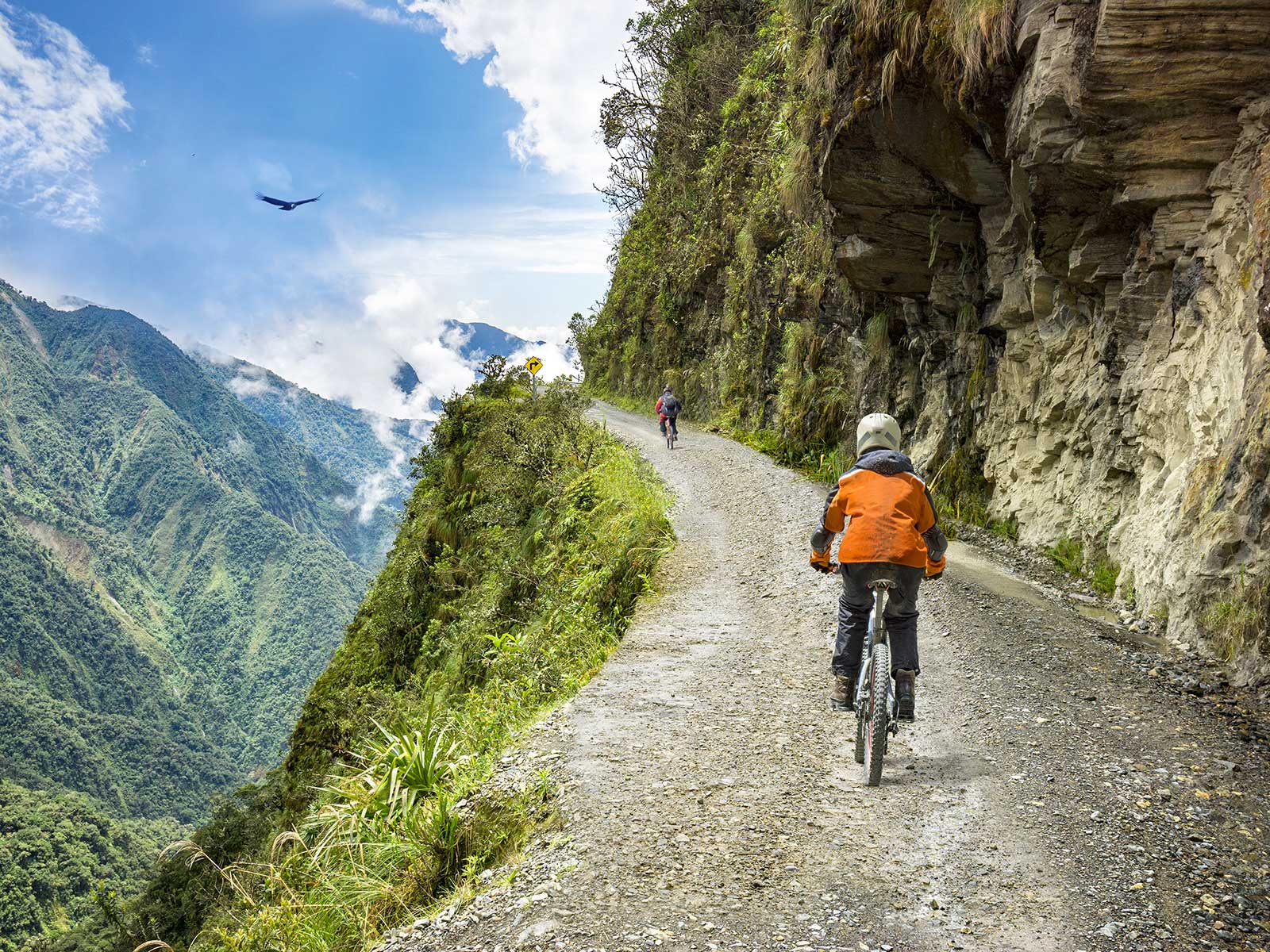
Is Bolivia Safe to Travel? Essential Tips for Tourists
Bolivia, a land of breathtaking landscapes and rich cultural heritage, beckons adventurers from across the globe. While its allure is undeniable, many prospective travelers wonder about safety. With proper preparation and awareness, Bolivia can be a remarkably safe and incredibly rewarding destination for tourists.
Understanding Safety in Bolivia: A General Overview
Like any country, Bolivia has its share of safety considerations that visitors should be aware of. It's not inherently dangerous, but it does require travelers to exercise common sense and vigilance, particularly in urban areas and when engaging in certain activities. Most incidents involving tourists are related to petty crime, rather than violent crime, which is relatively low.
The key to a safe and enjoyable trip to Bolivia lies in being informed, understanding local customs, and taking proactive steps to protect yourself and your belongings. Don't let safety concerns overshadow the incredible experiences that await, from the otherworldly salt flats of Salar de Uyuni to the vibrant markets of La Paz.
Common Safety Concerns and How to Mitigate Them
Petty Crime: Pickpocketing and Bag Snatching
Petty theft is the most common crime affecting tourists, especially in busy markets, bus terminals, and crowded public spaces in cities like La Paz, Santa Cruz, and Cochabamba. Thieves often work in teams, distracting victims before snatching bags or wallets.
- Be Vigilant:Always be aware of your surroundings, especially in crowded areas.
- Secure Belongings:Keep valuables out of sight. Use a money belt or a secure, cross-body bag. Avoid keeping wallets in back pockets.
- Avoid Flashy Items:Don't display expensive jewelry, cameras, or electronics openly.
- Bags and Backpacks:Wear backpacks on your front in crowded areas. Don't hang bags on the back of chairs in restaurants.
Scams and Fraud
Tourists can sometimes be targeted by various scams, including fake police officers, staged distractions, or fraudulent taxi drivers.
- Fake Police:Be wary of individuals claiming to be police officers who ask to see your passport or search your bag. Real police officers rarely do this on the street. If approached, offer to go to the nearest police station.
- Taxi Scams:Always use registered taxis, especially at airports and bus terminals. Look for taxis with official markings, radio numbers, and clear company affiliations. Negotiate the fare before getting in, or ensure the meter is used. Avoid hailing taxis directly off the street at night.
- Distraction Scams:Be cautious of sudden spills, someone dropping money, or other unexpected events designed to distract you while an accomplice steals your belongings.
Road Safety and Transportation
Road conditions and driving standards in Bolivia can vary significantly. Long-distance bus travel, while common, carries some risks, particularly on winding mountain roads.
- Reputable Bus Companies:For intercity travel, choose well-regarded bus companies, often referred to as "ejecutivo" or "cama" services. Avoid night buses if possible, especially on less-traveled routes.
- Seatbelts:Always wear a seatbelt when available, in both taxis and buses.
- Driving:Self-driving is not generally recommended for tourists due to challenging road conditions, unfamiliar traffic laws, and potential for carjacking on remote roads.
Travel Tip:When traveling by bus in Bolivia, keep your valuables with you, not in the luggage compartment under the bus. Small bags can often be stored overhead or at your feet.
Altitude Sickness (Soroche)
Bolivia is one of the highest countries in the world, with many popular destinations like La Paz,Lake Titicaca, and the journey to Salar de Uyuni situated at extreme elevations. Altitude sickness is a genuine health concern.
- Acclimatize Slowly:Plan to spend at least 1-2 days at a lower altitude before ascending to very high elevations. La Paz, for instance, is around 3,650 meters (12,000 feet).
- Stay Hydrated:Drink plenty of water and avoid alcohol and caffeine, which can exacerbate symptoms.
- Rest:Take it easy for your first few days at altitude. Avoid strenuous activity.
- Coca Leaves:Chewing coca leaves or drinking coca tea is a traditional remedy for altitude sickness and is widely available.
- Medication:Consult your doctor about prescription medication like Diamox before your trip.
Even destinations like Sajama National Park, home to Bolivia's highest peak, require careful acclimatization.
Health and Hygiene
General health precautions are important to avoid common traveler ailments.
- Water:Drink only bottled or purified water. Avoid tap water, even for brushing teeth.
- Food:Be cautious with street food, especially items that may have been sitting out. Choose establishments with high turnover and visible hygiene practices. Peel fruits and vegetables yourself.
- Hand Hygiene:Carry hand sanitizer and use it frequently, especially before eating.
- Mosquito Protection:If traveling to jungle regions like Madidi National Park, use insect repellent and wear long sleeves and pants to prevent mosquito bites and potential diseases like dengue or malaria.
Political Instability and Protests
Bolivia has a history of political demonstrations and strikes, which can occasionally lead to road blockades and disruptions, particularly in urban centers and major highways.
- Stay Informed:Check local news and government travel advisories before and during your trip.
- Avoid Demonstrations:Steer clear of any large gatherings, protests, or demonstrations, as they can escalate quickly.
- Respect Local Customs:Be aware of local sensitivities and avoid engaging in political discussions.
Safety in Specific Destinations
While general advice applies, some areas have specific nuances:
- La Paz:Be particularly cautious in busy areas like Calle Sagarnaga and around bus terminals. Use official taxis.
- Sucre:Generally considered safer than La Paz, but petty crime still occurs, especially around tourist hubs like Plaza 25 de Mayo and the Sucre Cathedral.
- Uyuni:The town itself is small, but safety concerns often relate to the multi-day tours of Salar de Uyuni and Reserva Eduardo Avaroa. Always choose a reputable tour operator with well-maintained vehicles and experienced drivers.
- Jungle Regions (e.g.,Madidi National Park):Safety here is more about reputable tour operators, proper vaccinations, and protection against wildlife and insects.
- Historical Sites (e.g.,Tiwanaku,Parque Cretácico):These are generally safe, but always be aware of your surroundings, especially if traveling independently.
Essential General Safety Tips for Tourists
- Travel Insurance:Comprehensive travel insurance is highly recommended, covering medical emergencies, theft, and trip cancellations.
- Emergency Contacts:Know the local emergency numbers (police, ambulance) and have your embassy/consulate contact information readily available.
- Learn Basic Spanish:Even a few phrases can greatly assist in emergencies or everyday interactions.
- Share Your Itinerary:Let family or friends know your travel plans and check in regularly.
- Copies of Documents:Keep photocopies or digital copies of your passport and important documents separate from the originals. Carry a copy, leaving the original secured at your accommodation.
- Trust Your Gut:If a situation feels unsafe or uncomfortable, remove yourself from it.
Conclusion: An Unforgettable Adventure Awaits
Bolivia is a country of immense beauty, profound cultural experiences, and unparalleled natural wonders. While it's essential to be prepared and follow safety guidelines, the risks are manageable and should not deter you from exploring this incredible destination. By exercising caution, staying informed, and respecting local customs, you can ensure your trip to Bolivia is not only safe but also filled with unforgettable memories and enriching adventures.
From the colonial charm of Freedom House in Sucre to the ancient mysteries of Tiwanaku, Bolivia offers a journey like no other. Travel smart, stay alert, and prepare to be amazed!