
Altitude Sickness in Bolivia: Prevention and Remedies
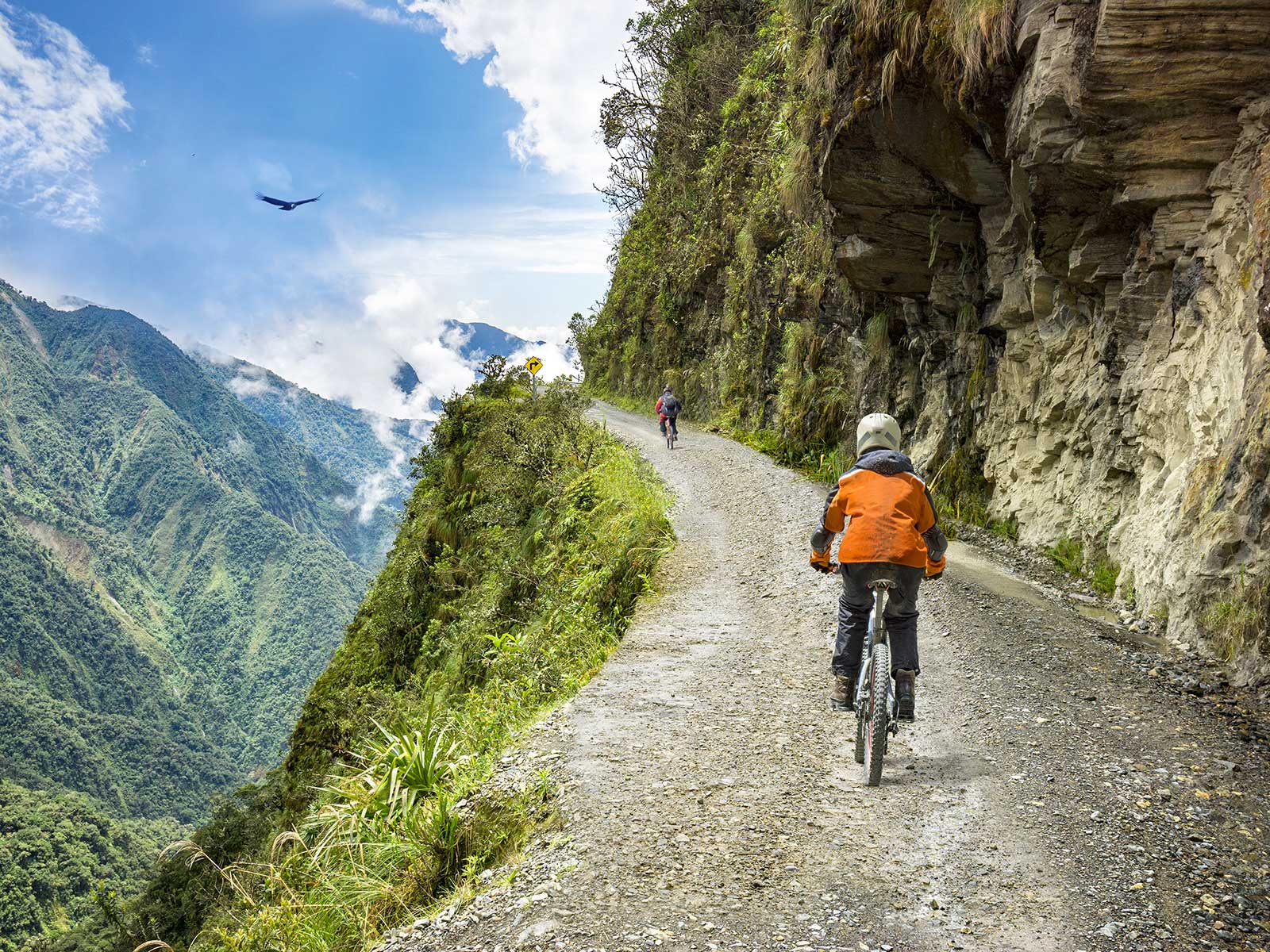
Bolivia, a land of breathtaking Andean peaks, vast salt flats, and ancient cultures, offers unparalleled adventures. However, much of its magic unfolds at dizzying heights, making altitude sickness a common concern for travelers. Understanding how to prevent and manage this condition is crucial for a safe and enjoyable journey through this spectacular country.
For many visitors, Bolivia's allure lies in its majestic, high-altitude landscapes and cities. From the bustling streets of La Paz (around 3,640m / 11,942 ft) to the serene waters of Lake Titicaca(3,812m / 12,507 ft) and the otherworldly expanses of the Salar de Uyuni(around 3,656m / 11,995 ft), you'll often find yourself well above sea level. Even ancient sites like Tiwanaku sit at a considerable elevation of approximately 3,850 meters (12,631 feet).
Understanding Altitude Sickness (Acute Mountain Sickness - AMS)
Altitude sickness, medically known as Acute Mountain Sickness (AMS), occurs when your body doesn't have enough time to adapt to the lower oxygen levels at high elevations. As you ascend, the air pressure drops, meaning fewer oxygen molecules are available with each breath. Your body needs time to adjust by producing more red blood cells and making other physiological changes.
Common Symptoms of Altitude Sickness
Symptoms usually appear within 6-12 hours of arrival at high altitude and can range from mild to severe. It's vital to recognize them early:
- Mild Symptoms:
- Headache (often throbbing)
- Nausea or vomiting
- Dizziness or lightheadedness
- Fatigue and weakness
- Loss of appetite
- Difficulty sleeping
- Severe Symptoms (requiring immediate medical attention and descent):
- Shortness of breath at rest
- Persistent coughing, often with pink, frothy sputum (sign of High-Altitude Pulmonary Edema - HAPE)
- Severe headache unresponsive to medication
- Confusion, disorientation, or difficulty walking in a straight line (sign of High-Altitude Cerebral Edema - HACE)
- Changes in consciousness
Never ignore severe symptoms. HAPE and HACE are life-threatening conditions. If you experience them, descend immediately and seek medical help.
Interesting Fact:The city of La Paz is the highest administrative capital in the world, with its airport, El Alto International, located at a staggering 4,061 meters (13,323 ft).
Prevention is Key: Strategies for a Smooth Ascent
The best way to combat altitude sickness is through careful planning and prevention. Here’s how to give your body the best chance to acclimatize:
1. Gradual Ascent and Acclimatization
This is the most critical factor. Don't rush your ascent. If possible, plan your itinerary to include a gradual climb:
- Start Low:Consider flying into a lower-altitude city like Sucre(2,810m / 9,219 ft) first. Spend a few days exploring its colonial charm, such as Plaza 25 de Mayo, before heading to higher elevations.
- Take it Easy:Once you arrive at a high-altitude destination like La Paz, avoid strenuous activities for the first 24-48 hours. Take short walks, explore Calle Sagarnaga at a leisurely pace, and allow your body to adjust.
- "Climb High, Sleep Low":If you're trekking or visiting very high areas like Sajama National Park or Reserva Eduardo Avaroa, try to sleep at a lower elevation than the highest point you reached during the day.
2. Stay Hydrated
At high altitudes, you lose fluids faster through respiration and increased urination. Dehydration can worsen AMS symptoms.
- Drink plenty of water throughout the day. Aim for 3-4 liters.
- Avoid excessive alcohol and caffeine, as they are diuretics and can contribute to dehydration.
3. Light Meals and Avoid Overeating
Your digestive system can be sluggish at altitude. Stick to light, easily digestible meals high in carbohydrates. Avoid fatty foods and heavy meals.
4. Get Plenty of Rest
A good night's sleep is essential for your body to recover and adapt. Don't push yourself if you feel tired.
5. Consider Prophylactic Medication
For some travelers, especially those with a history of altitude sickness or those planning a rapid ascent, medication can be helpful.
- Acetazolamide (Diamox):This prescription drug helps your body acclimatize faster by increasing breathing and urination, which in turn helps to acidify the blood. It should be started 24 hours before ascent and continued for a few days at altitude.Always consult your doctor before taking any prescription medication.
Natural Remedies and Local Wisdom
Bolivians have lived at high altitudes for centuries and have developed traditional ways to cope with "soroche" (the local term for altitude sickness).
1. Coca Leaves (Hoja de Coca)
Chewing coca leaves or drinking coca tea (mate de coca) is a widespread practice in Bolivia. While not a cure, many people find it helps alleviate mild symptoms like headache and fatigue. Coca acts as a mild stimulant, similar to coffee, and can improve oxygen absorption. You'll find it readily available in markets, hotels, and restaurants throughout the highlands.
2. Sorojchi Pills (Pastillas Sorojchi)
These over-the-counter pills are popular in Bolivia and often contain aspirin for headaches, caffeine for energy, and sometimes salophen (a pain reliever) and an extract from coca leaves. While they can help manage symptoms, they do not aid in acclimatization. They are widely available in pharmacies.
3. Oxygen
Many hotels and tour operators in high-altitude areas like La Paz and around Lake Titicaca keep oxygen tanks available for guests experiencing severe symptoms. A few minutes of supplemental oxygen can provide significant relief, though it's a temporary measure.
When to Seek Medical Attention
While most cases of AMS are mild and resolve with acclimatization, it's crucial to know when to seek professional help. If your symptoms worsen, do not improve after 24-48 hours, or if you experience any signs of HACE or HAPE, you must:
- Descend to a lower altitude immediately.
- Seek medical attention from a doctor or clinic.
- Do not ascend further until symptoms have completely resolved.
Remember, altitude sickness can affect anyone, regardless of age, fitness level, or previous experience at altitude. Listen to your body and prioritize your health.
Embrace Your Bolivian Adventure Safely
Bolivia is an extraordinary country that promises unforgettable experiences. By understanding altitude sickness and taking proactive steps to prevent it, you can ensure your journey is safe, comfortable, and truly memorable. Take it slow, stay hydrated, and enjoy the breathtaking heights of the Andes.