
Unique Cultural Experiences in Benin Beyond the Tourist Trail
Benin, a captivating West African nation, offers a profound journey into the heart of history, spirituality, and vibrant traditions. While its well-trodden paths reveal much, the true magic often lies in venturing beyond the usual tourist attractions to uncover authentic cultural gems.
For those seeking a deeper understanding of West African heritage, Benin presents an unparalleled opportunity. This guide delves into the less-explored facets of Beninese culture, inviting you to connect with local communities, ancient customs, and the profound spiritual landscape that defines this remarkable country.
Beyond the Postcard Views: Immersing in Authentic Voodoo
While destinations like Ouidah, with its Pythons Temple and the symbolic Porte Du Non Retour, offer glimpses into Voodoo's history and the painful legacy of the slave trade, truly understanding this complex spiritual system requires venturing into smaller villages and observing local practices. Voodoo, orVodoun, is not merely a religion but a way of life, deeply interwoven with Beninese identity.
In rural areas, you might encounter ceremonies where communities gather to honor their ancestors and various deities (vodun). These events, often accompanied by rhythmic drumming, chanting, and trance, are not performances but genuine expressions of faith. Seek out local guides who can respectfully introduce you to village elders and explain the significance of shrines, fetishes, and traditional healers. Remember, these experiences demand respect and sensitivity.
Tip:Always ask for permission before taking photos, especially during ceremonies or of individuals. A simple "Bonjour, je peux prendre une photo?" (Hello, can I take a photo?) goes a long way.
The Enduring Legacy of the Fon Kingdom in Abomey
The majestic Royal Palaces of Abomey are a UNESCO World Heritage site, offering an incredible window into the powerful Dahomey Kingdom. However, the cultural richness of the Fon people extends far beyond these historical walls. Abomey and its surrounding villages are alive with artisans, oral historians, and traditional musicians who keep the Fon heritage thriving.
Explore local workshops where skilled craftsmen create intricate appliqué tapestries depicting historical events, royal symbols, and Voodoo deities. These visual narratives are not just art; they are living documents of the kingdom's past. Engage with storytellers who can recite epic tales of kings and queens, passed down through generations. Visiting a local market in Abomey also provides an opportunity to observe daily life, taste regional delicacies, and discover unique local crafts.
Discovering Northern Benin's Architectural Wonders and Diverse Cultures
Journeying northwards unveils a completely different cultural landscape. While many travelers head to Pendjari National Park for wildlife, the region is also home to fascinating ethnic groups like the Somba, known for their distinctive fortified homes calledTata Somba.
These mud and thatch castles, often two stories high, are not just dwellings but fortresses designed for defense and daily living. Each Tata Somba is a microcosm of Somba culture, reflecting their agricultural practices, spiritual beliefs, and social structures. Engaging with a local family in a Tata Somba can offer profound insights into a way of life that has resisted the tides of modernity for centuries. You might be invited to share a meal, learn about their farming techniques, or observe traditional beer brewing.
The Taneka and Gourmantché Traditions
Further north, explore the traditions of the Taneka people, who live in picturesque hilltop villages, maintaining ancient animist beliefs and distinctive facial scarifications. Their unique round huts and sacred groves offer a glimpse into a harmonious relationship with nature and spirituality. The Gourmantché people, also found in the north, are known for their vibrant festivals, intricate drumming, and agricultural prowess. Attending a local festival, if your timing is right, is an explosion of color, music, and communal celebration.
Coastal Rhythms and the Lagoon Life of Grand Popo
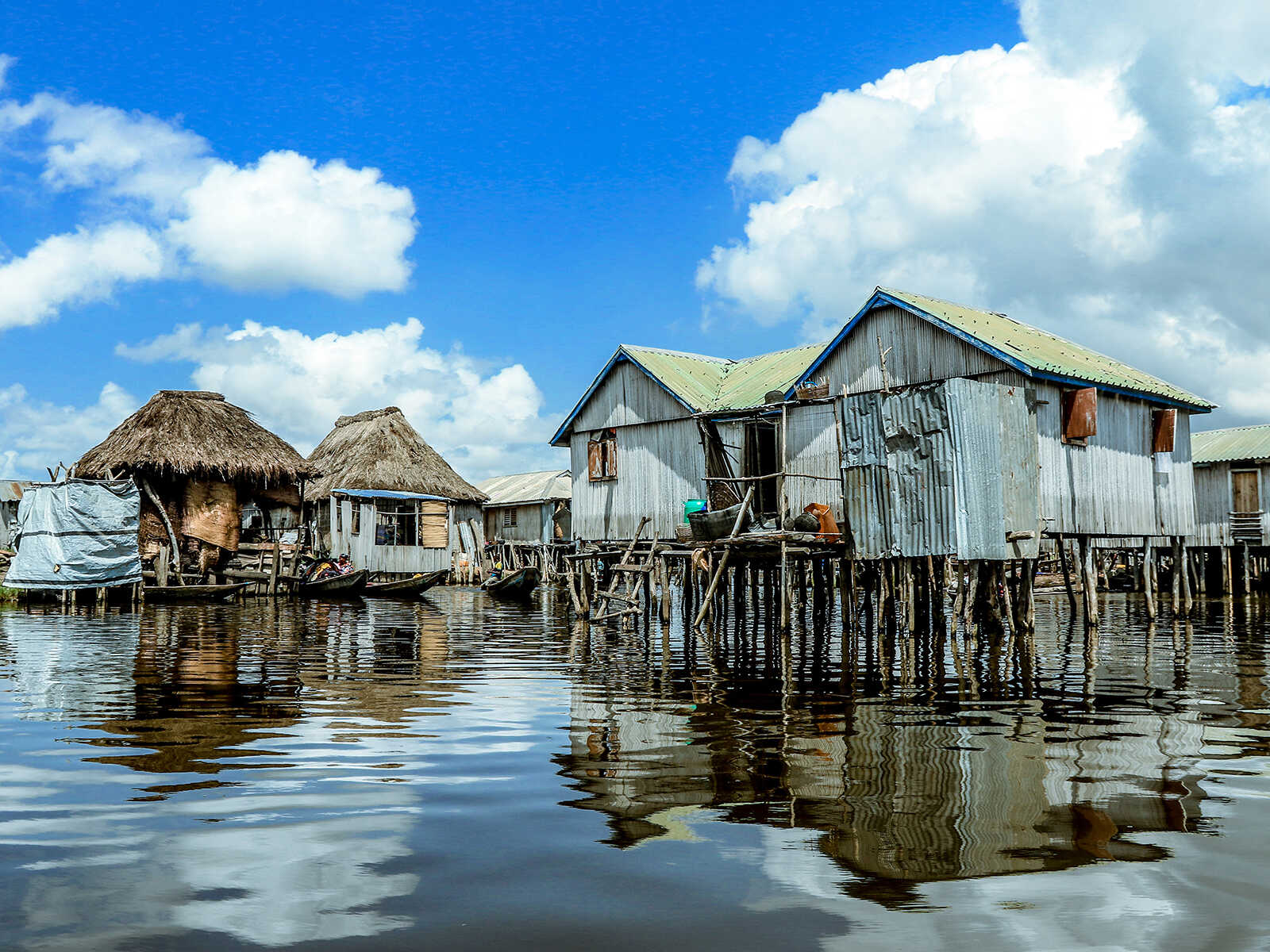
While Ganvie, the "Venice of Africa," is a renowned floating village, the coastal stretch around Grand Popo offers a different yet equally captivating lagoon-based culture. Here, the Mono River meets the Atlantic, creating a dynamic ecosystem where fishing is a way of life and traditions are deeply tied to the water.
Beyond the bustling markets, take a pirogue trip through the mangroves and lagoons. You'll encounter small fishing communities, observe traditional fishing techniques, and perhaps even witness the unique salt harvesting process. The communities along the river banks often have their own festivals and ceremonies related to the water spirits and ancestral worship. Staying in a local guesthouse in Grand Popo can provide opportunities to interact with fishermen, learn about their daily routines, and enjoy fresh seafood prepared with local spices.
Beninese Gastronomy: A Journey for the Senses
Food is an integral part of any culture, and Beninese cuisine offers a delicious, often spicy, insight into local life. Beyond the tourist restaurants, seek out local "maquis" (small, informal eateries) or street food vendors. This is where you'll find the most authentic flavors and experience communal eating.
Staple foods include "pâte" (a thick paste made from corn, yam, or cassava) served with various sauces featuring fish, chicken, or beef, often spiced with chili and local herbs. Try "Akassa," a fermented corn paste, or "igname pilé" (pounded yam). Don't miss out on fresh tropical fruits like mangoes, pineapples, and papayas, or the refreshing "bissap" (hibiscus juice) and "gimgembre" (ginger juice). Sharing a meal with locals is a powerful way to connect and understand daily life.
Fun Fact:Beninese cuisine often incorporates a generous amount of hot chili. If you're not a fan of spice, remember to ask for your dish "sans piment" (without chili).
Engaging Responsibly and Respectfully
To truly experience Benin beyond the tourist trail, responsible engagement is paramount. Embrace the local pace of life, be open to new experiences, and always prioritize respect for local customs and traditions.
- Learn Basic Phrases:A few words of French or local languages like Fon or Yoruba can open many doors.
- Support Local Businesses:Choose local guides, eat at local eateries, and buy crafts directly from artisans.
- Ask for Permission:Always ask before photographing people, homes, or sacred sites.
- Dress Modestly:Especially when visiting villages or religious sites, modest attire is appreciated.
- Be Patient and Flexible:Things may not always run on a strict schedule. Embrace the spontaneity.
Practicalities for the Cultural Explorer
Navigating Benin's cultural landscape requires a bit of preparation:
- Transportation:Shared taxis (bush taxis) and "zemidjans" (motorcycle taxis) are common. For longer, more remote journeys, consider hiring a private car with a driver, especially if traveling with a local guide.
- Accommodation:Beyond major cities, expect simpler guesthouses or even opportunities for homestays in some villages, offering an intimate cultural immersion.
- Guides:For truly unique experiences, a knowledgeable local guide is invaluable. They can bridge language barriers, explain cultural nuances, and facilitate respectful interactions with communities.
- Health & Safety:Consult your doctor for necessary vaccinations. Stay hydrated, especially in the heat. Be aware of your surroundings and take standard travel precautions.
Benin is a country that rewards the curious and respectful traveler with an incredibly rich tapestry of cultural experiences. By venturing beyond the well-known sites and embracing the local way of life, you'll discover a Benin that is profoundly authentic, deeply spiritual, and utterly unforgettable.