
Understanding Voodoo in Benin: A Cultural and Spiritual Exploration
Often misunderstood and sensationalized, Voodoo, or Vodun as it's known locally, is far more than just a religion in Benin; it's a profound way of life, a deep connection to ancestry, nature, and the spiritual world. For visitors, understanding Vodun is key to unlocking the true essence of this West African nation, offering a glimpse into its vibrant cultural heart.
Dispelling Myths: What Voodoo Isn't
Before delving into what Vodun truly is, it's crucial to address the prevalent misconceptions. Popular culture has often depicted Voodoo as a dark practice involving black magic, zombie spells, and sinister dolls. In reality, these portrayals are largely inaccurate and fail to represent the complex, rich spiritual system that is Vodun.
Fact:The term "Voodoo doll" as depicted in movies is a Western fabrication, far removed from any traditional Vodun practice in Benin. The closest equivalent, aBocio, is a protective or curative fetish, not an instrument of harm against an individual.
Vodun is not inherently evil or malicious. Like any religion, it encompasses principles of morality, community, and respect for the divine and the natural world. Its practitioners seek balance, healing, and guidance, not harm.
The Roots of Vodun: A Historical Perspective
The origins of Vodun are deeply intertwined with the history of the ancient Kingdom of Dahomey, which occupied much of present-day Benin. It emerged from the spiritual beliefs of the Fon people and other ethnic groups in the region, evolving over centuries to become a cornerstone of their identity. This spiritual tradition posits a universe governed by a supreme being, Mawu-Lisa (a dualistic creator of earth and sky), and a pantheon of lesser deities, spirits, and ancestors.
The transatlantic slave trade played a tragic role in the spread of Vodun. Enslaved people from the Dahomey region carried their spiritual practices with them to the Americas, where Vodun adapted and merged with other traditions, giving rise to Haitian Vodou, Brazilian Candomblé, and Louisiana Voodoo. This resilience underscores the profound spiritual connection and cultural identity it provided in the face of unimaginable hardship.
Core Beliefs and Practices of Vodun
At its heart, Vodun is a holistic religion that emphasizes harmony between the physical and spiritual worlds. Its key tenets include:
- Mawu-Lisa:The supreme creator, a benevolent dual deity representing the female (Mawu, moon) and male (Lisa, sun) principles, responsible for creation and order.
- Vodun:These are deities or spirits, often associated with natural forces (thunder, sea, earth), specific clans, or human experiences. They act as intermediaries between humanity and Mawu-Lisa. Examples include Hèviosso (god of thunder), Dan (god of wealth and serpents), and Sakpata (god of smallpox and earth).
- Ancestral Reverence:The veneration of ancestors (Tohoun) is paramount. It is believed that ancestors continue to influence the lives of the living and must be honored and appeased through rituals and offerings.
- Spirit Possession:A central aspect of Vodun ceremonies, where a Vodun spirit temporarily inhabits a devotee's body. This is seen as a sacred communion, allowing the community to interact directly with the divine for guidance, healing, or prophecy.
- Sacrifice and Offerings:Not always blood sacrifice, offerings are typically made to Vodun and ancestors. These can include food, drinks (like gin or palm wine), kola nuts, and symbolic items, given to maintain balance, express gratitude, or seek favor.
- Fetishes (Bocio):These are objects, often made from wood, clay, or other natural materials, imbued with spiritual power through rituals. They serve various purposes, from protection and healing to attracting prosperity or specific outcomes. The Pythons Temple in Ouidah is a famous example of a sacred site dedicated to the reverence of a particular Vodun and its living symbols.
The Role of Priests and Priestesses
Vodun is led by highly respected priests (Hounon) and priestesses (Mambo), who undergo extensive training and initiation. They serve as spiritual guides, healers, diviners, and custodians of ancestral knowledge. They mediate between the human and spirit worlds, conducting ceremonies, interpreting signs, and providing spiritual counsel to their communities.
Vodun in Daily Life in Benin
In Benin, Vodun is not confined to temples or special ceremonies; it is woven into the very fabric of daily life. You'll encounter its presence in various forms:
- National Holiday:January 10th is a national holiday in Benin, celebrating Vodun. The largest and most vibrant celebrations take place in Ouidah, a historically significant city for the religion.
- Markets:Fetish markets, like the one in Cotonou, offer a fascinating glimpse into the practical application of Vodun, selling traditional medicines, charms, and ritual objects.
- Homes and Public Spaces:Small altars, sacred trees, or specific symbols can be found in homes, villages, and public areas, signifying protection, blessings, or ancestral presence.
- Traditional Healers:Many Beninese consult traditional Vodun healers for ailments, spiritual cleansing, or guidance, often alongside modern medical practices.
- Art and Music:Vodun has profoundly influenced Beninese art, music, and dance, with rhythms and movements often originating from ceremonial practices.
Experiencing Vodun Respectfully as a Visitor
For travelers interested in learning more about Vodun, Benin offers unparalleled opportunities for respectful engagement. Here’s how to approach it:
- Attend a Festival:If your visit coincides with January 10th, experiencing the Vodun Festival in Ouidah is a profound opportunity to witness vibrant ceremonies, dances, and rituals firsthand.
- Visit Sacred Sites:
- The Pythons Temple in Ouidah is a must-visit, offering insight into the reverence for the sacred python, Dan.
- Explore the Sacred Forest of Kpasse in Ouidah, home to ancient trees and Vodun sculptures.
- While not a link, the Dantokpa Market in Cotonou has a renowned fetish section worth exploring with a guide.
- Hire a Local Guide:A knowledgeable local guide is invaluable for navigating cultural nuances, explaining rituals, and ensuring respectful interactions. They can also arrange visits to authentic ceremonies if appropriate.
- Ask for Permission:Always ask permission before taking photos of people, sacred sites, or ceremonies. Some rituals are considered too sacred for photography.
- Dress Modestly:When visiting sacred sites or attending ceremonies, dress respectfully, covering shoulders and knees.
- Observe Quietly:If you are fortunate enough to witness a ceremony, observe quietly and respectfully from a distance, following your guide's advice.
Vodun and Other Cultural Sites in Benin
Understanding Vodun also enriches your appreciation of other historical and cultural sites across Benin:
- Ouidah:Beyond the Pythons Temple, Ouidah is a city steeped in Vodun history. The Porte Du Non Retour(Door of No Return) monument, while commemorating the transatlantic slave trade, also stands in a city where Vodun played a crucial role in providing spiritual strength and cultural continuity for those forcibly taken.
- Royal Palaces of Abomey:The former capital of the Kingdom of Dahomey, these UNESCO World Heritage sites offer a glimpse into the kingdom's history, where Vodun was the state religion and deeply integrated into royal power and governance.
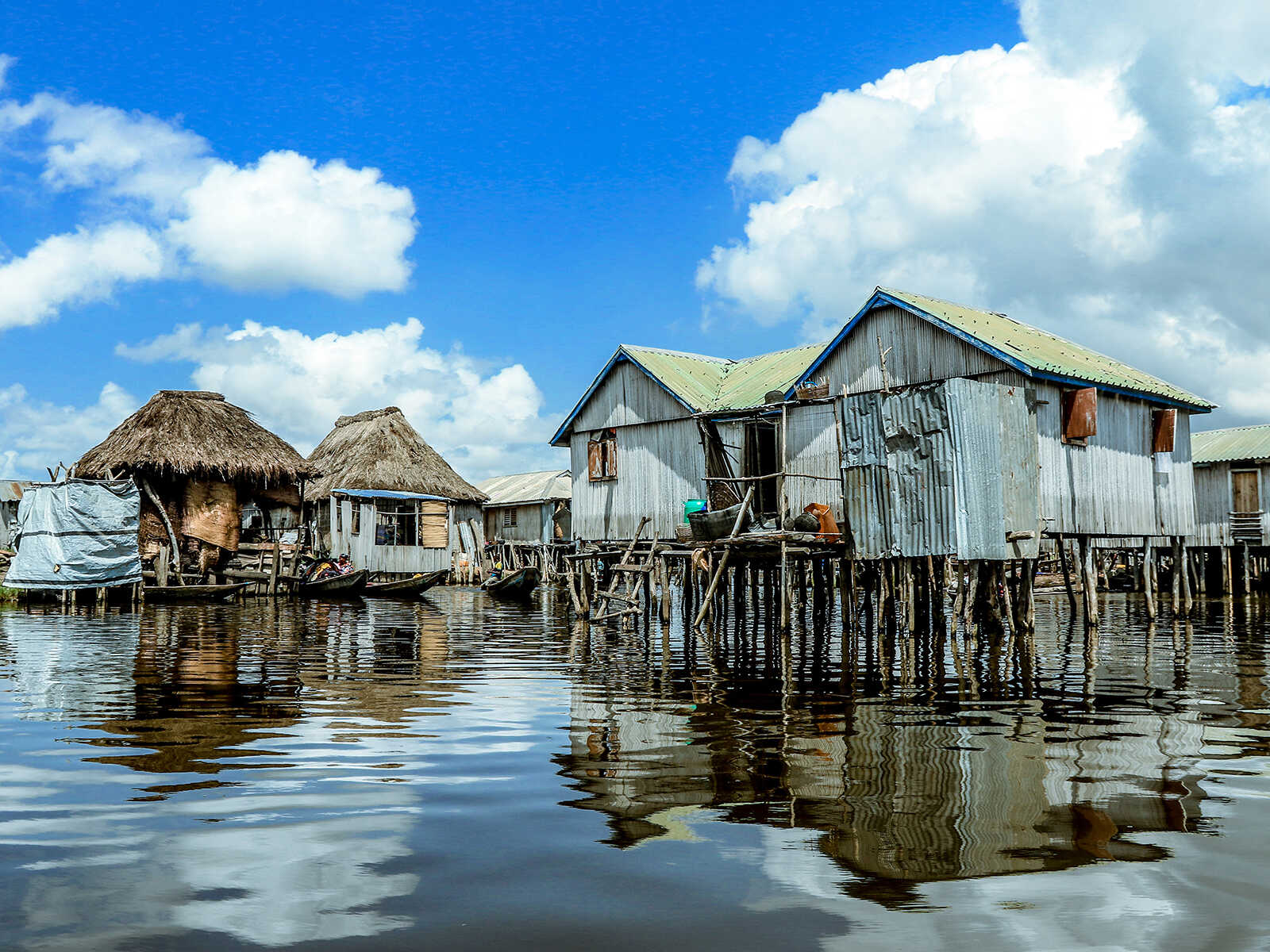
- Ganvie:Known as the "Venice of Africa," this stilt village on Lake Nokoué maintains unique cultural and spiritual practices adapted to its aquatic environment, often with underlying Vodun influences related to water spirits.
- Grand Popo:This coastal town, with its serene beaches and vibrant river life, is also a place where traditional Vodun practices, particularly those related to water spirits and ancestral reverence, remain strong among local communities.
Conclusion
Vodun in Benin is a profound, living religion that offers a unique window into the country's soul. By approaching it with an open mind and a spirit of respect, travelers can move beyond sensationalized stereotypes to discover a rich spiritual tradition that emphasizes harmony, community, and an enduring connection to the ancestors and the natural world. Your journey into Vodun will undoubtedly be one of the most enlightening and memorable aspects of your visit to Benin.