
The Rich History of Benin: From Ancient Kingdoms to Modern Nation
Benin, a vibrant nation nestled in West Africa, boasts a history as rich and complex as its cultural tapestry. From formidable ancient kingdoms that shaped the region's destiny to a modern democracy charting its own course, Benin offers a compelling journey through time for any curious traveler.
Exploring Benin’s past is not merely an academic exercise; it's an immersive experience that brings ancient tales, powerful empires, and profound human narratives to life. This article delves into the historical layers that have forged the modern nation of Benin, inviting you to discover its enduring legacy.
Early Settlements and the Rise of Kingdoms
Long before the advent of colonial powers, the land that is now Benin was home to diverse ethnic groups, including the Adja, Fon, Yoruba, Bariba, and Somba peoples. These communities established numerous city-states and small kingdoms, each with its unique political structures, cultural practices, and economic activities. Early trade routes, particularly across the Sahara, connected these nascent states to broader networks, facilitating the exchange of goods, ideas, and technologies.
Among the earliest significant polities were the Adja kingdoms, which laid much of the cultural and linguistic groundwork for later developments. Their migrations and interactions led to the formation of more centralized states, setting the stage for one of West Africa's most powerful empires.
The Mighty Kingdom of Dahomey
The 17th century witnessed the emergence of the Kingdom of Dahomey, a formidable power founded by the Fon people. From its origins in the inland city of Abomey, Dahomey rapidly expanded its influence, conquering neighboring kingdoms and establishing a highly centralized state. The Dahomeyan kings, known as theAladaxonou, were renowned for their military prowess, particularly their elite all-female warrior corps, theMinoor "Dahomey Amazons."
The kingdom's wealth and power were largely built on trade, initially in agricultural products and textiles, but increasingly, and tragically, in the transatlantic slave trade. Dahomey became a major supplier of enslaved people to European traders, primarily the Portuguese, Dutch, and French, who operated from coastal forts and trading posts.
The Royal Palaces of Abomey, a UNESCO World Heritage site, stand today as a testament to the kingdom's grandeur and its complex past. These palaces, once the heart of Dahomeyan power, preserve the history, art, and traditions of the successive kings, offering an invaluable glimpse into this influential era.
Fun Fact:The Dahomey Amazons were legendary for their ferocity and discipline. They served as royal bodyguards and frontline soldiers, inspiring awe and fear in their adversaries.
The Transatlantic Slave Trade and Its Profound Legacy
The port city of Ouidah played a pivotal role in the transatlantic slave trade, serving as one of the most active slave trading hubs on the African continent. Millions of enslaved Africans were forcibly transported from Ouidah's shores to the Americas, leaving an indelible mark on both Benin's history and the global diaspora.
Today, Ouidah is a powerful site of remembrance and reconciliation. The Porte Du Non Retour(Gate of No Return) stands as a poignant memorial to those who were taken, symbolizing the final point where enslaved individuals departed African soil. Visitors can walk the "Slave Route," a path tracing the journey from the slave markets to the ocean, offering a somber but essential understanding of this dark chapter.
Despite the horrors of the slave trade, Ouidah also became a melting pot of cultures. Returned Afro-Brazilians, known asAguda, brought back unique architectural styles and culinary traditions, enriching the local culture. The city also remains a spiritual center for Vodun, an ancient religion deeply rooted in Beninese culture. The Pythons Temple in Ouidah offers a fascinating insight into this spiritual practice.
The Colonial Era: French Dahomey
As European powers intensified their scramble for Africa in the late 19th century, the Kingdom of Dahomey found itself increasingly threatened. France, having established trading posts along the coast, initiated a series of military campaigns against the Dahomeyan kingdom. Despite fierce resistance from King Béhanzin and his warriors, the French ultimately conquered Dahomey in 1894, establishing the colony of French Dahomey.
The colonial period brought significant changes to the region, including the introduction of new administrative systems, infrastructure development (like roads and railways), and the imposition of French language and culture. While it brought an end to the slave trade, it also suppressed indigenous political structures and exploited natural resources for the benefit of the colonial power. Resistance to French rule continued in various forms throughout the colonial period.
From Independence to Modern Democracy
Following World War II, a wave of nationalism swept across Africa. Benin, then known as Dahomey, began its peaceful transition towards self-rule. On August 1, 1960, the Republic of Dahomey gained full independence from France. However, the initial decades of independence were marked by political instability, characterized by numerous coups and changes in government.
In 1975, under the leadership of Mathieu Kérékou, the country was renamed the People's Republic of Benin, adopting a Marxist-Leninist ideology. This period lasted until the late 1980s when economic hardship and growing demands for political freedom led to a peaceful transition to multi-party democracy in the early 1990s. Benin became a pioneer in democratic transitions in Africa, holding a National Conference in 1990 that paved the way for a new constitution and free elections.
Today, the Republic of Benin stands as a stable democracy, committed to economic development, good governance, and preserving its rich cultural heritage. It continues to navigate the complexities of a modern globalized world while honoring its deep historical roots.
Benin's Enduring Cultural Heritage
Benin's history is not just about kingdoms and conflicts; it's also about a vibrant cultural legacy that continues to thrive. The country is recognized as the birthplace of Vodun, a spiritual practice that emphasizes respect for nature, ancestors, and a pantheon of deities. Its influence extends far beyond Benin's borders, impacting cultures across the Americas.
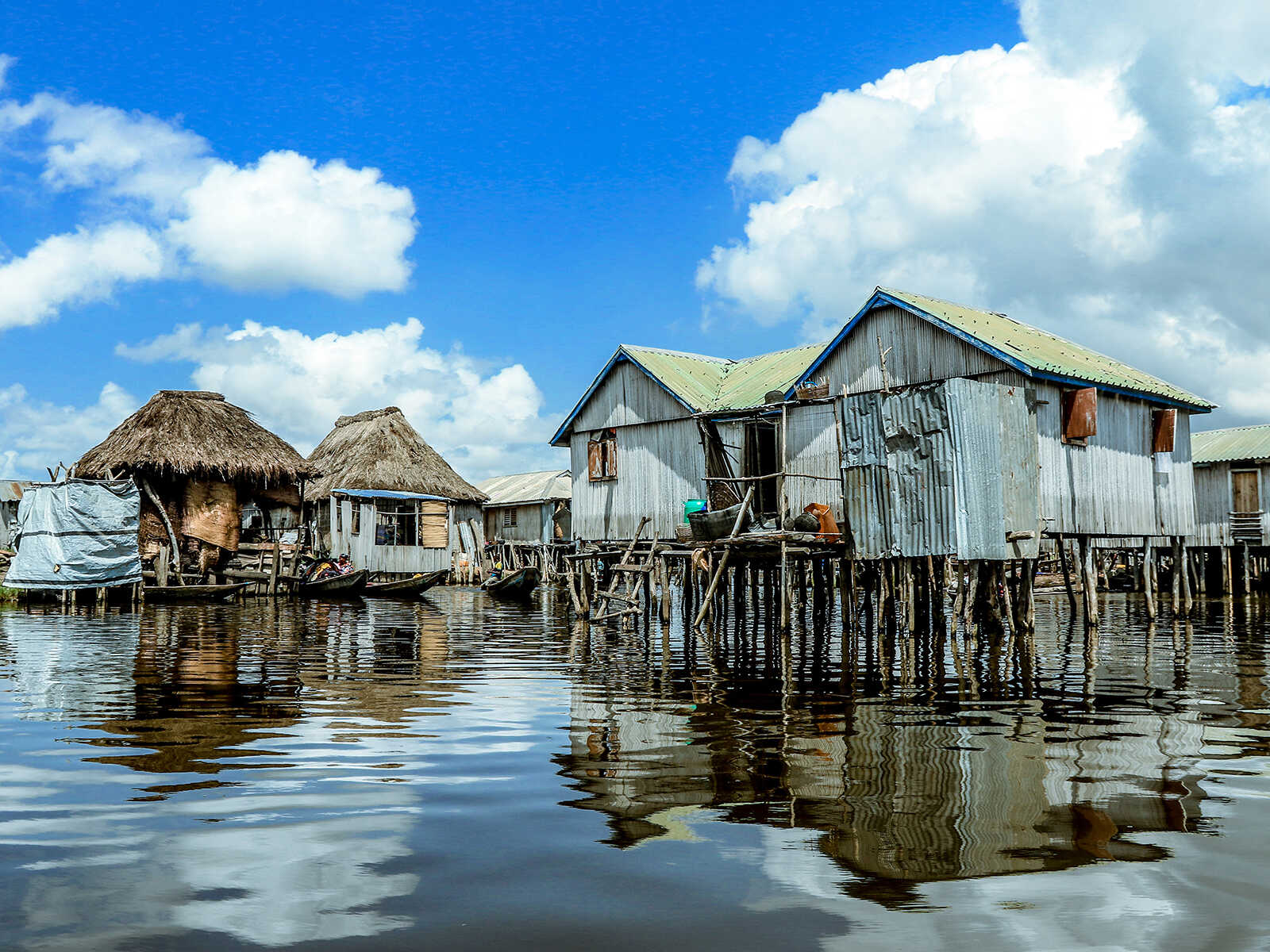
Beyond Ouidah, other sites across Benin reveal unique historical narratives. The stilt village of Ganvie, often called the "Venice of Africa," is a testament to the ingenuity of the Tofinu people who built their community on Lake Nokoué centuries ago to escape slave traders. Its unique lifestyle and architecture offer a fascinating glimpse into a living historical adaptation.
Along the coast, towns like Grand Popo reflect a blend of indigenous and colonial influences, with stunning beaches and a relaxed atmosphere that belies its historical significance as a trading post.
Experiencing Benin's History Today
For travelers, Benin offers an unparalleled opportunity to connect with history on a profound level. Walking through the Royal Palaces of Abomey, reflecting at the Porte Du Non Retour, or witnessing Vodun ceremonies provides an authentic and moving encounter with the past.
While history is at its core, Benin also offers incredible natural beauty, such as the wildlife and landscapes of Pendjari National Park, demonstrating the country's diverse appeal. When visiting historical sites, it’s advisable to hire local guides, whose knowledge and personal stories can enrich your understanding and respect for the local culture.
Benin's journey from ancient kingdoms to a modern nation is a powerful narrative of resilience, cultural richness, and continuous evolution. It’s a country that invites you not just to observe history but to feel its pulse and understand its enduring impact on the present.