
Ouidah Travel Guide: History, Voodoo, and the Slave Route
Ouidah, a coastal town in Benin, holds a profound and complex legacy, deeply intertwined with the history of the transatlantic slave trade and the enduring spirituality of Voodoo. It serves as a powerful testament to human resilience and a vital center for understanding West African culture.
Nestled on Benin's Atlantic coast, Ouidah is more than just a picturesque town; it's a living museum, a sacred ground, and a powerful reminder of pivotal moments in global history. From its origins as a thriving kingdom to its role in the harrowing slave trade and its status as a cradle of Voodoo, Ouidah offers a journey unlike any other. This guide will navigate you through its rich past, spiritual present, and practicalities for an unforgettable visit.
A Glimpse into Ouidah's Historical Tapestry
Ouidah's history is both illustrious and tragic. Originally the capital of the Hueda Kingdom (often referred to as Whydah), it rose to prominence in the 17th century as a significant trading port. Its strategic location on the Atlantic coast made it a coveted hub for European powers, including the Portuguese, French, British, and Dutch, who established trading posts and forts here.
However, this prosperity was inextricably linked to the transatlantic slave trade. By the 18th century, Ouidah had become one of the most active slave ports in West Africa, facilitating the forced passage of millions of Africans across the Atlantic. In 1727, the Kingdom of Dahomey conquered Ouidah, further solidifying its role in the slave trade, which continued even after its official abolition in many parts of the world, often through clandestine means.
Fun Fact:The name "Whydah," as Ouidah was historically known to Europeans, is believed to be a corruption of "Hueda," the name of the indigenous kingdom.
Voodoo: The Spiritual Heartbeat of Benin
Benin is widely recognized as the birthplace of Voodoo (Vodun), and Ouidah stands as one of its most important spiritual centers. Unlike the sensationalized portrayals often seen in Western media, Vodun is a complex, ancestral, and animistic religion that reveres nature, ancestors, and a pantheon of deities and spirits.
In Ouidah, Voodoo is not merely a belief system; it's a vibrant way of life. You'll encounter its presence in daily rituals, sacred sites, and the profound respect locals hold for their spiritual heritage. One of the most iconic sites is the Pythons Temple, where live, non-venomous pythons are revered as sacred beings and are considered protectors of the town. Visitors can respectfully observe these revered creatures, often held by local worshippers.
The town also plays host to the annual Ouidah Voodoo Festival on January 10th, drawing practitioners and curious travelers from around the world. This vibrant event showcases traditional ceremonies, dances, and offerings, providing an unparalleled insight into the depth and diversity of Vodun culture.
The Slave Route: A Path of Remembrance
A visit to Ouidah is incomplete without walking the "Route des Esclaves" (Slave Route), a powerful and somber 4-kilometer journey from the former slave market to the Atlantic coast. This path traces the final steps taken by countless Africans before their forced departure, offering a profound moment of reflection and remembrance.
Key stops along the Slave Route include:
- Place Chacha:Once a bustling market where enslaved people were traded. The square is named after Francisco Felix de Souza, a powerful Brazilian slave trader who played a significant role in Ouidah's history.
- The Tree of Forgetfulness:A tree around which enslaved men and women were forced to walk (nine times for men, seven for women) in a ritual intended to make them forget their homeland and identity. A stark symbol of the psychological warfare waged against them.
- Zomaï House (Slave House):A dark, cramped building where enslaved individuals were held, often for weeks or months, in unimaginable conditions before being marched to the ships. The name "Zomaï" means "where the light does not go."
- Memorial of Zoungbodji:A mass grave site, commemorating those who died during their captivity before ever reaching the ships.
- The Porte Du Non Retour(Door of No Return):The poignant culmination of the route, an iconic archway on the beach symbolizing the point from which millions departed, never to return. It stands as a powerful memorial to the victims of the slave trade and a symbol of hope for reconciliation.
Practical Travel Tips for Ouidah
Getting There and Around
Most international travelers arrive via Cotonou's Cadjehoun Airport. From Cotonou, Ouidah is an easy journey by taxi, shared taxi, or bus. Once in Ouidah, the town is relatively compact and best explored on foot, by bicycle, or using local moto-taxis (known aszemidjans).
Best Time to Visit
The dry season, from November to February, is generally considered the most comfortable time to visit, with cooler temperatures and less humidity. If you wish to experience the vibrant Ouidah Voodoo Festival, plan your trip around January 10th.
Accommodation and Cuisine
Ouidah offers a range of guesthouses and hotels to suit different budgets. Local cuisine is a highlight, with fresh seafood, cassava-based dishes likefufu, and various spicy sauces. Don't miss trying local specialties at small restaurants and street food stalls.
Respecting Local Customs
When visiting sacred sites or observing ceremonies, always ask for permission before taking photographs. Dress modestly, especially in religious areas, and show respect for local traditions and beliefs, particularly concerning Vodun.
Beyond the Main Attractions: Other Ouidah Highlights
- Ouidah Museum of History:Housed in a former Portuguese fort, this museum offers an excellent overview of Ouidah's history, including its pre-colonial kingdoms, the slave trade, and Vodun traditions, through artifacts, documents, and exhibitions.
- Sacred Forest of Kpasse:A mystical forest filled with statues representing Voodoo deities and mythical figures, believed to be the dwelling place of the legendary King Kpasse, the founder of Ouidah.
- Château Zinsou:A contemporary art center that showcases African and international artists, providing a modern contrast to the town's historical sites.
Extend Your Journey in Benin
While Ouidah itself offers a profound experience, consider extending your trip to explore other unique destinations in Benin:
- Head west to the relaxed coastal town of Grand Popo for pristine beaches and river excursions on the Mono River.
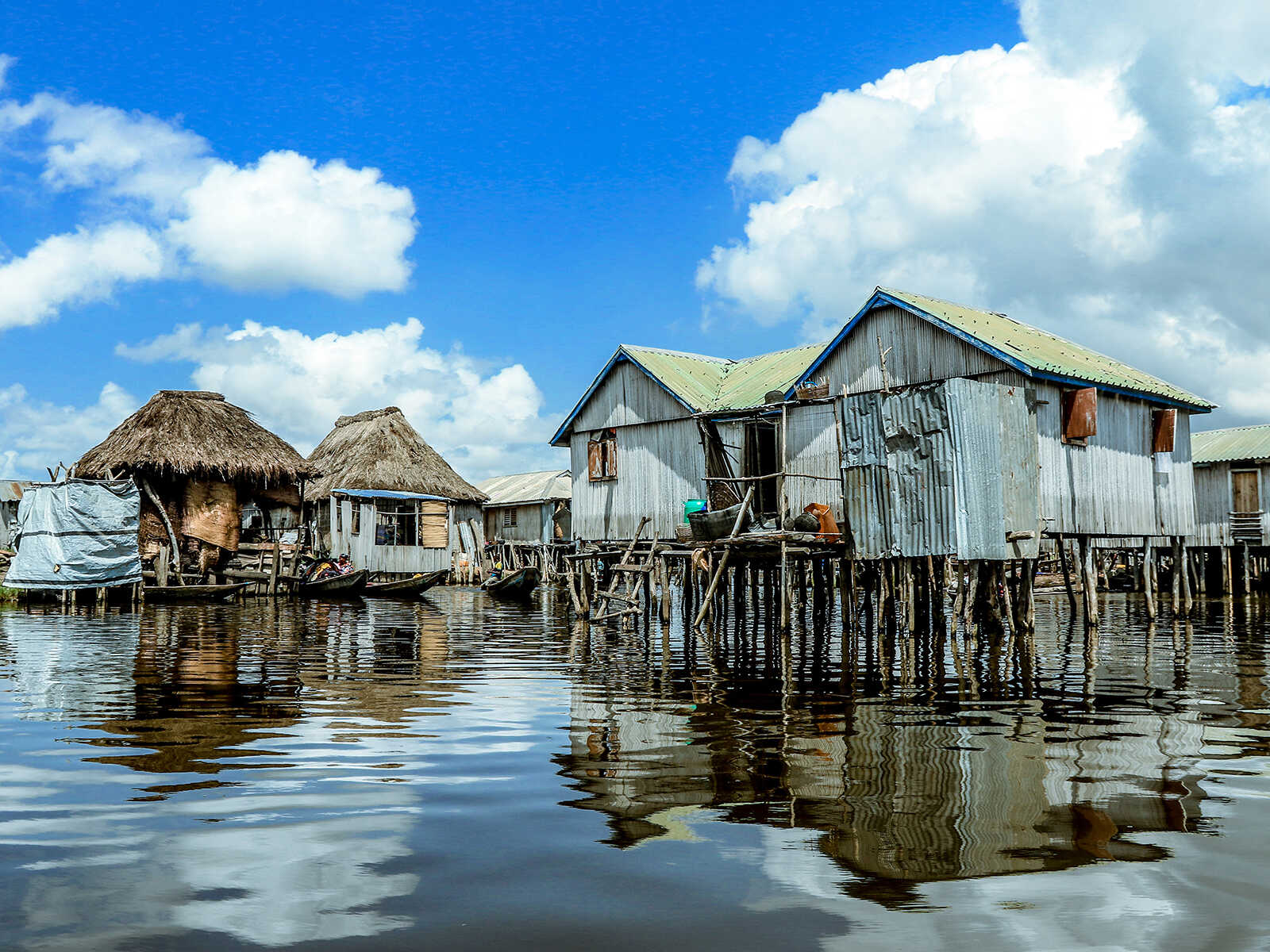
- Venture further inland to the fascinating stilt village of Ganvie, often called the "Venice of Africa."
- Delve deeper into Benin's royal history by visiting the UNESCO World Heritage site of the Royal Palaces of Abomey, former seats of the powerful Dahomey Kingdom.
Ouidah is a destination that truly moves the soul. It's a place to learn, reflect, and appreciate the enduring spirit of a culture that has weathered immense hardship yet remains vibrant and deeply spiritual. Your journey through its history, Voodoo, and the Slave Route will leave an indelible mark.