
Is Benin Worth Visiting? An Honest Traveler's Perspective
Benin, a slender nation nestled in West Africa, often flies under the radar for many international travelers. Yet, for those seeking a profound cultural immersion, rich historical narratives, and a truly authentic experience away from mass tourism, Benin offers a journey unlike any other.
Why Visit Benin? The Allure of Authenticity
Benin is a land where history breathes, spiritual traditions thrive, and vibrant daily life unfolds with captivating energy. It's a destination that challenges perceptions, educates the soul, and rewards the adventurous with an unfiltered glimpse into West African heritage. From its ancient kingdoms to its pivotal role in the transatlantic slave trade and its status as the birthplace of Vodun (Voodoo), Benin presents a tapestry of stories waiting to be discovered.
Unveiling Benin's Rich History and Culture
Benin's past is deeply intertwined with powerful empires and spiritual practices that continue to shape its present. It's a place where you can walk through the echoes of royalty and confront the somber realities of human history.
The Cradle of Voodoo
Often misunderstood, Vodun (Voodoo) is not merely a religion in Benin; it's a way of life, a complex belief system indigenous to the Fon and Ewe people. A visit here offers a unique opportunity to understand its true essence, far removed from sensationalized portrayals. The town of Ouidah is the spiritual heartland of Vodun, where you can witness sacred ceremonies, visit fetishes markets, and explore sites dedicated to various deities.
Traveler Tip:While Vodun ceremonies can be fascinating, always show respect for local customs and ask for permission before taking photographs, especially of people or sacred objects.
A key stop in Ouidah is the Pythons Temple, a revered site where pythons are worshipped and allowed to roam freely, symbolizing protection and rebirth. Experiencing the Annual Vodun Festival in January is an unparalleled way to witness the religion's vibrant expressions, though it requires careful planning.
A Legacy of Kingdoms and the Slave Trade
Benin was once home to the powerful Kingdom of Dahomey, renowned for its formidable all-female warrior army, the Amazons. The grandeur and resilience of this kingdom are best explored at the Royal Palaces of Abomey, a UNESCO World Heritage site. These mud palaces, once the heart of the Dahomey empire, now serve as museums, housing royal artifacts and offering deep insights into the kingdom's structure, rituals, and eventual fall.
The tragic chapter of the transatlantic slave trade also casts a long shadow over Benin's history. Ouidah played a critical role as a major slave port. The Porte Du Non Retour(Door of No Return) stands as a poignant memorial on the beach, commemorating the millions of Africans forced onto slave ships, never to return to their homeland. Walking this route, from the slave auction block to the coast, is a deeply moving and reflective experience.
Exploring Benin's Diverse Landscapes and Experiences
Beyond its historical and spiritual depth, Benin offers a variety of natural beauty and unique living environments, from bustling cities to tranquil water villages and expansive savannas.
Coastal Charms and Lakeside Wonders
Benin's Atlantic coastline provides a different perspective. The charming town of Grand Popo, located near the Togolese border, offers serene beaches, colonial architecture, and the opportunity for boat trips on the Mono River, where you can observe local fishing communities and birdlife.
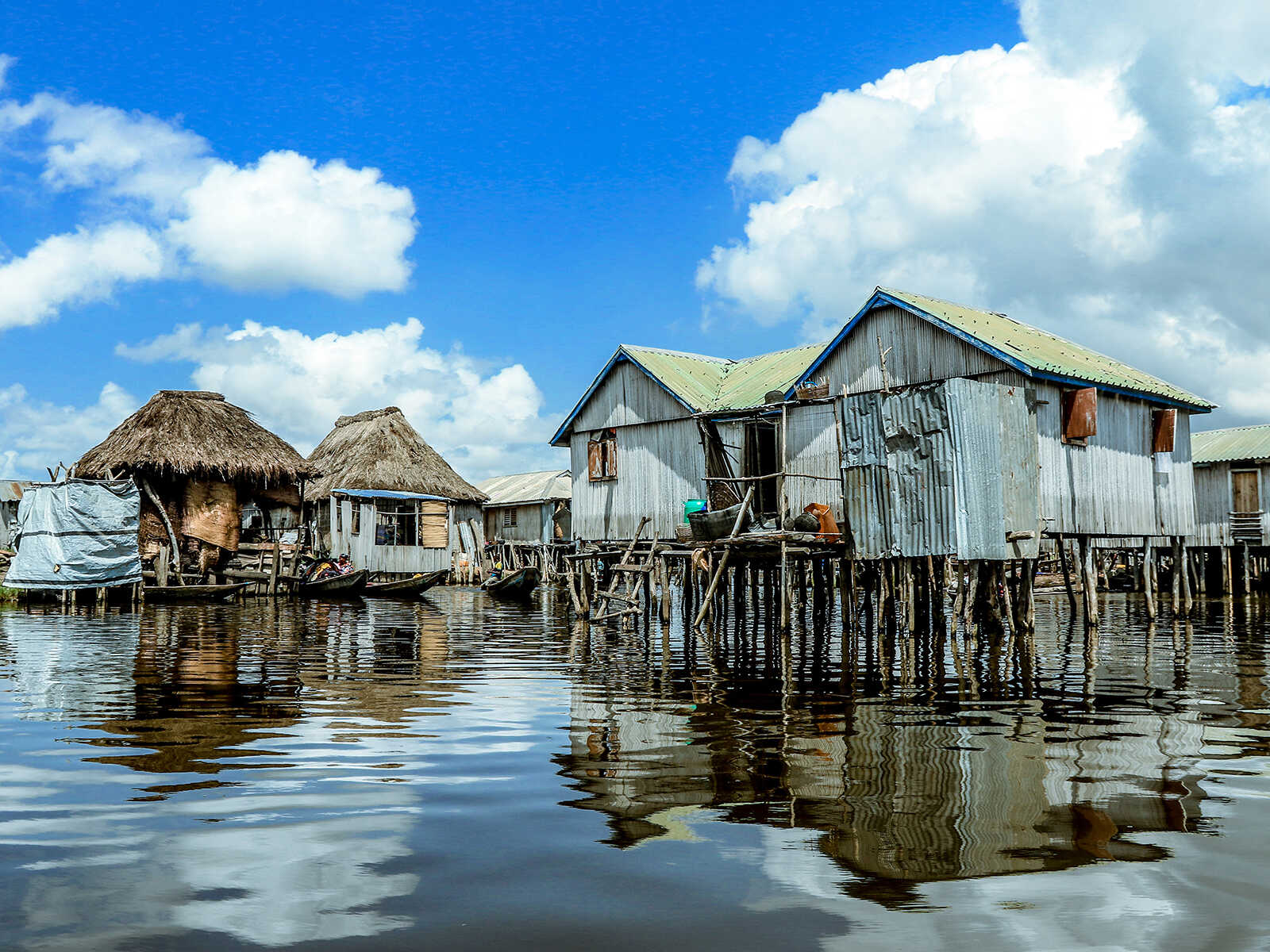
Perhaps one of Benin's most iconic sights is Ganvie, often called the "Venice of Africa." This incredible stilt village, built entirely on Lake Nokoué, is home to thousands of Tofinu people who live, work, and trade from canoes. A boat tour through Ganvie reveals a unique way of life, with floating markets, schools, and homes, all defying conventional land-based existence.
Wildlife Encounters in the North
For nature enthusiasts, venturing north unveils a different side of Benin.Pendjari National Park, a UNESCO World Heritage site and part of the W-Arly-Pendjari complex, is one of West Africa's best remaining wildlife strongholds. Here, travelers can embark on safaris to spot elephants, lions, buffalo, various antelope species, and a rich array of birdlife. The park offers a stark contrast to the southern cultural hubs, providing a wild and untamed experience.
Practical Considerations for Travelers
Visiting Benin requires a sense of adventure and flexibility. While infrastructure is developing, it's not a destination for those seeking luxury resorts or highly polished tourist experiences. It’s a place for genuine engagement.
Getting Around
Transportation within Benin is primarily by shared taxis, "zemidjans" (moto-taxis, prevalent in cities like Cotonou), and bush taxis for longer distances. These options are economical but can be slow and sometimes uncomfortable. For independent exploration, hiring a car with a driver is often recommended, especially for trips to the north.
Local Cuisine
Beninese cuisine is hearty and flavorful, often centered around staples like corn paste (pâte), rice, and yams, accompanied by a variety of sauces, grilled fish, or chicken. Fresh fruits are abundant, and local street food offers delicious and authentic tastes. Don't miss tryingAkassa, a fermented corn paste, or a refreshing glass of local bissap (hibiscus) juice.
Safety and Health
Benin is generally considered safe for tourists, but standard precautions apply: be aware of your surroundings, especially in crowded markets, and avoid walking alone at night. Health-wise, yellow fever vaccination is mandatory, and malaria prophylaxis is highly recommended. It’s wise to consult a travel doctor before your trip for the latest health advice.
Language and Communication
French is the official language and widely spoken, especially in urban areas and by anyone working in tourism. Learning a few basic phrases in French will greatly enhance your interactions. Many local languages, such as Fon, Yoruba, and Goun, are also spoken across different regions.
Is Benin Right for You?
Benin is an ideal destination for the intrepid traveler: someone genuinely interested in history, culture, and authentic experiences. It appeals to those who are patient, open-minded, and prepared for a journey that might involve some logistical challenges but promises immense rewards. If you're seeking pristine beaches with resort amenities or a meticulously organized tour package, Benin might not be your first choice. However, if you crave a deeper understanding of West African heritage, are willing to embrace the unexpected, and desire to connect with a vibrant, welcoming culture, then Benin will undoubtedly leave an indelible mark on your soul.
The Verdict: A Rewarding, Authentic Journey
So, is Benin worth visiting? Absolutely. For travelers yearning for an authentic, culturally rich, and historically significant adventure, Benin offers an unparalleled experience. It's a country that challenges, educates, and inspires, leaving visitors with a profound appreciation for its resilience, spiritual depth, and the warmth of its people. Prepare to be moved, enlightened, and utterly captivated by the honest heart of West Africa.