
Is Benin Safe to Visit? Essential Safety Tips for Travelers
Benin, a captivating West African nation, offers a rich tapestry of history, vibrant culture, and unique landscapes. As more travelers discover its charms, a common question arises: "Is Benin safe to visit?" With informed preparation and adherence to practical safety guidelines, Benin can be a remarkably rewarding and largely secure destination for adventurers.
Understanding the General Safety Landscape
Benin is generally considered a safe and welcoming country for tourists. The Beninese people are known for their hospitality, and visitors often feel at ease exploring its cities and historical sites. Like any travel destination, however, it's essential to be aware of potential risks and take precautions to ensure a smooth and enjoyable journey. Most incidents involving tourists are related to petty crime, rather than violent crime.
Common Safety Concerns and How to Mitigate Them
Petty Crime
Petty crime, such as pickpocketing, bag snatching, and opportunistic theft, is the most common issue travelers might encounter, particularly in crowded areas like markets, bus stations, and public transport. These incidents are more prevalent in larger cities like Cotonou and Porto-Novo.
- Keep Valuables Secure:Use a money belt or secure internal pockets for passports, large sums of cash, and credit cards.
- Avoid Ostentation:Don't display expensive jewelry, cameras, or electronics openly. Try to blend in.
- Be Aware of Your Surroundings:Pay attention to people around you, especially in busy areas.
- Secure Bags:Keep bags close to your body and never leave them unattended.
Transportation Safety
Navigating Benin's roads and transport options requires a degree of caution. Road conditions can vary significantly, and driving standards may differ from what you're accustomed to.
- Taxis & Zemidjans:When using taxis or motorcycle taxis (zemidjans), always negotiate the fare before starting your journey. For zemidjans, insist on a helmet, even if locals don't always wear one. Avoid using them late at night if traveling alone.
- Inter-City Travel:Use reputable bus companies for longer distances. Avoid night travel by road, as visibility can be poor and road hazards are harder to spot.
- Driving:If self-driving, be prepared for challenging road conditions, erratic driving by others, and livestock on the roads. An international driving permit is recommended.
Health and Hygiene
Health precautions are crucial for travel in Benin.
- Vaccinations:Consult your doctor well in advance about recommended vaccinations, including Yellow Fever (certificate often required for entry), Hepatitis A and B, Typhoid, and Tetanus.
- Malaria:Benin is a malaria-risk area. Take anti-malarial medication as prescribed by your doctor, use mosquito repellent (DEET-based is effective), and sleep under mosquito nets.
- Food and Water:Drink only bottled or purified water. Be cautious with street food; opt for freshly prepared, hot dishes. Wash hands frequently, especially before eating.
- Medical Facilities:Medical facilities, particularly outside Cotonou, can be basic. Ensure you have comprehensive travel insurance that covers medical emergencies and evacuation.
Travel Tip:Always carry a small first-aid kit with essentials like pain relievers, bandages, antiseptic wipes, and any personal medications. Hydration is key in Benin's climate, so drink plenty of water.
Natural Hazards
Benin experiences a rainy season (roughly April to July and September to November), which can lead to localized flooding and make some roads impassable. If visiting coastal areas like Grand Popo, be mindful of strong ocean currents.
Specific Areas and Activities
Cultural Exploration
Benin is rich in culture and history. Exploring sites like the Royal Palaces of Abomey, a UNESCO World Heritage site, or learning about the history of the transatlantic slave trade at the Porte Du Non Retour in Ouidah, are highlights. When visiting cultural sites, dress modestly, especially at religious sites like the Pythons Temple.
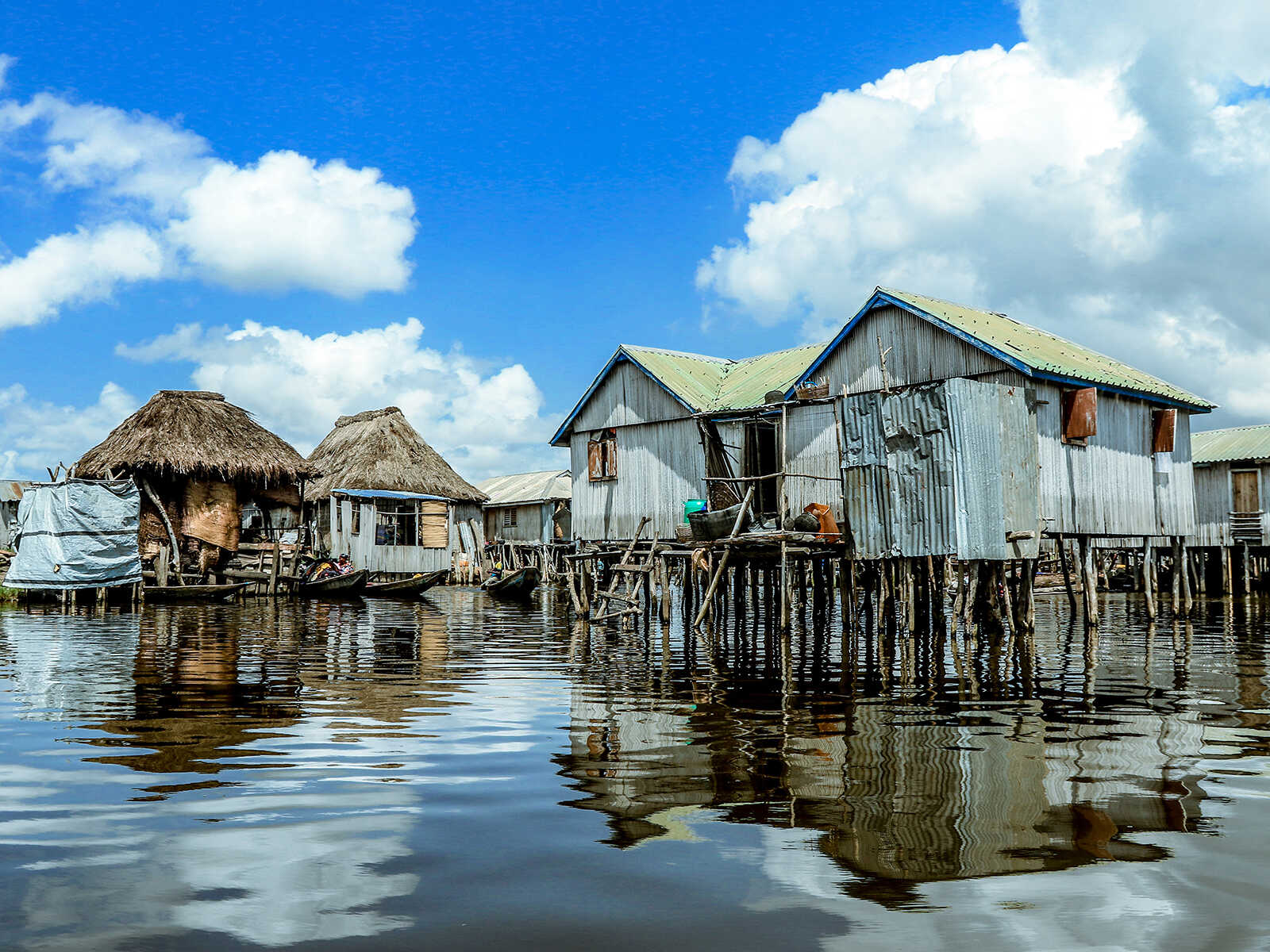
A visit to the stilt village of Ganvie offers a unique glimpse into local life. While generally safe, be respectful of local customs and always ask permission before taking photos of people.
Northern Benin and Pendjari National Park
The security situation in northern Benin, particularly near the borders with Burkina Faso and Niger, warrants special attention. Due to regional instability and the presence of extremist groups in neighboring countries, some governments advise against all but essential travel to these areas. This includes the region around Pendjari National Park, a stunning wildlife haven.
- Check Travel Advisories:Before planning a trip to northern Benin or Pendjari National Park, consult your government's latest travel advisories.
- Organized Tours:If advisories permit, it is highly recommended to visit Pendjari National Park with a reputable, experienced tour operator who is well-versed in local security conditions and protocols.
- Local Guidance:Always follow the advice of local authorities and park rangers.
Practical Safety Tips for All Travelers
- Register Your Travel:Inform your embassy or consulate of your travel plans. This helps them locate you in an emergency.
- Keep Copies of Documents:Store digital and physical copies of your passport, visa, and other important documents separately from the originals.
- Learn Basic Phrases:Even a few words of French or local languages (Fon, Yoruba) can go a long way in navigating situations and showing respect.
- Respect Local Customs:Benin has a rich cultural heritage, including Voodoo. Be respectful of local beliefs and traditions. Dress modestly, especially outside of beach areas.
- Avoid Walking Alone at Night:Especially in unfamiliar areas. Use trusted transport options.
- Trust Your Instincts:If a situation or person feels off, it's best to remove yourself.
- Stay Informed:Keep an eye on local news and be aware of any political demonstrations or civil unrest, which should be avoided.
- Emergency Contacts:Know the local emergency numbers (Police: 17, Fire: 18, Ambulance: 118). Keep your embassy's contact details handy.
Solo Female Travelers
Solo female travelers may attract more attention, but generally, Benin is welcoming. It's advisable to:
- Dress Conservatively:This helps avoid unwanted attention and shows respect for local culture.
- Be Confident:Projecting confidence can deter potential harassers.
- Inform Someone:Let family or friends know your itinerary and check in regularly.
- Choose Reputable Accommodation:Stay in well-reviewed hotels or guesthouses.
Conclusion
Benin offers an incredibly authentic and enriching travel experience. While it's crucial to be mindful of potential safety concerns, most visits are trouble-free when travelers exercise common sense, respect local customs, and stay informed about specific regional advisories. By following these essential safety tips, you can confidently explore the vibrant markets, historical sites, and cultural wonders that make Benin a truly unforgettable destination.