
How to Get to Ganvie: Transportation Guide to Benin's Stilt Village
Embark on an unforgettable journey to Ganvie, the unique stilt village often dubbed the "Venice of Africa." This comprehensive guide offers practical advice and essential information to help you navigate your way to this remarkable destination in Benin with ease.
Discovering Ganvie: Benin's Aquatic Marvel
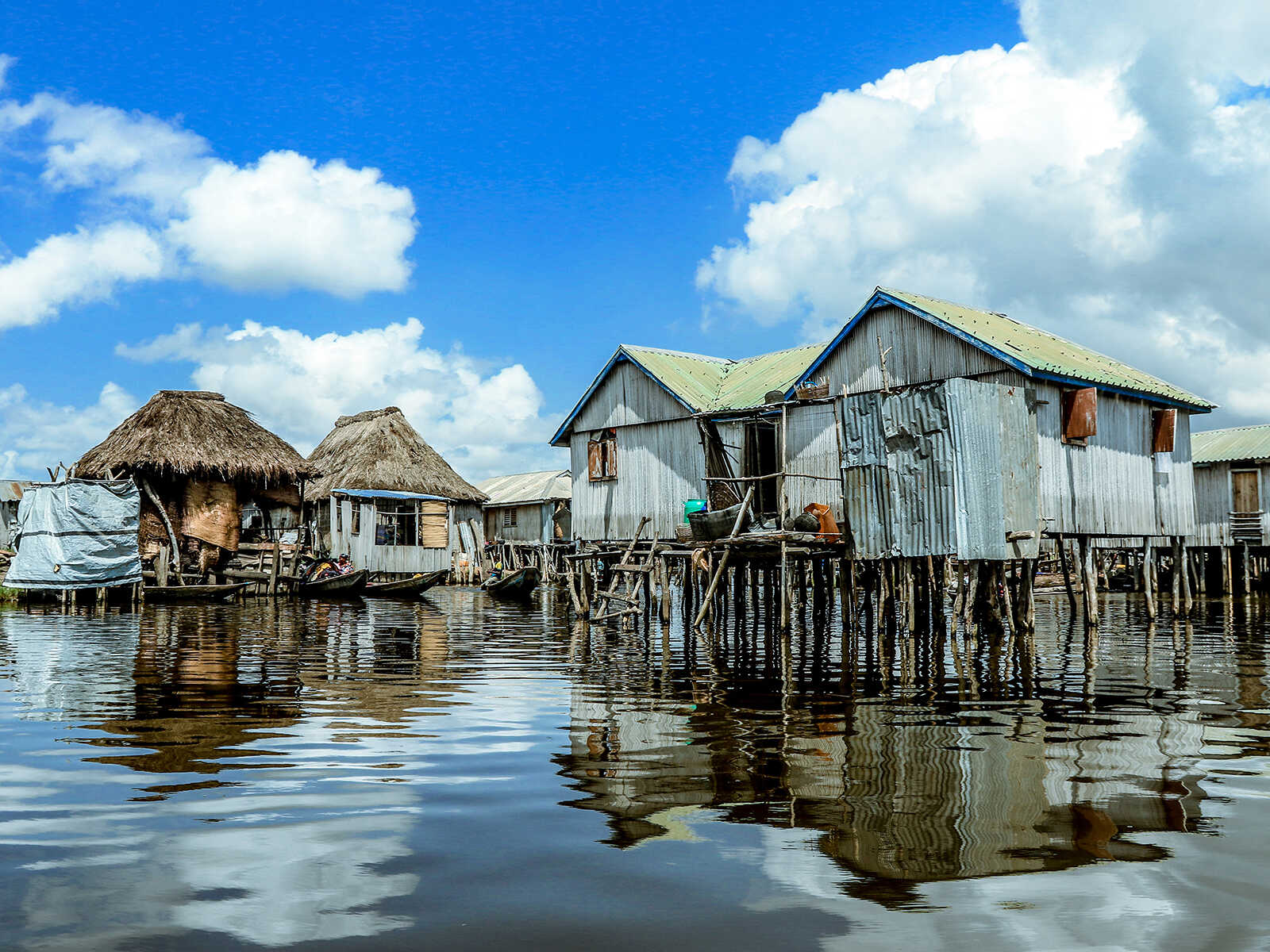
Nestled in the tranquil waters of Lake Nokoué, Ganvie is a truly extraordinary sight. Home to the Tofinu people, this entire village of over 20,000 residents is built on stilts, with daily life unfolding on the water. From markets to schools, everything operates from canoes, offering a fascinating glimpse into a resilient and unique culture. A visit to Ganvie is undoubtedly one of the highlights of any trip to Benin.
First Stop: Arriving in Cotonou
Your journey to Ganvie will almost certainly begin in Cotonou, Benin's largest city and economic hub. Cadjehoun Airport (COO) serves as the primary international gateway to the country. Upon arrival, you'll find various transportation options to get from the airport to your accommodation in Cotonou, including airport taxis and shared shuttles. It's advisable to arrange transport in advance or negotiate fares clearly before starting your journey.
From Cotonou to the Gateway of Ganvie: Abomey-Calavi
Ganvie is accessible via boat from the town of Abomey-Calavi, located just north of Cotonou. The journey from Cotonou to Abomey-Calavi is relatively short but can vary depending on traffic and your chosen mode of transport. There are several ways to make this approximately 15-20 kilometer trip:
Public Transportation Options
- Zémidjans (Motorcycle Taxis):These are the most ubiquitous and often the quickest way to get around Cotonou and to Abomey-Calavi. Look for drivers wearing distinctive colored vests. Always negotiate the fare before hopping on. While convenient, ensure you're comfortable with motorcycle travel, as safety standards can vary.
- Shared Taxis (Bush Taxis):These are cars or minibuses that follow specific routes and pick up multiple passengers. They are more economical than private taxis but can be slower as they make frequent stops. Ask for a taxi going to "Abomey-Calavi" or specifically "Débarcadère Ganvié" (Ganvie Pier).
- Wintoku (Minibus):Similar to shared taxis but larger, these minibuses are a very affordable option for longer distances within and between cities. They are less comfortable but offer an authentic local experience.
Private Transportation Options
- Private Taxi:For comfort and convenience, hiring a private taxi from Cotonou directly to the Abomey-Calavi pier is an excellent option. This allows for a direct journey without stops and the flexibility to leave at your preferred time. Confirm the fare with the driver beforehand.
- Car Rental:While less common for short trips to Ganvie, renting a car offers maximum independence for exploring Benin. If you choose this, be prepared for local driving conditions and ensure your rental includes comprehensive insurance. Parking is available near the Abomey-Calavi pier.
Embarkation Points for Ganvie
Once you reach Abomey-Calavi, you'll head to one of the specific piers (débarcadères) where boats depart for Ganvie.
Abomey-Calavi Main Pier (Ponton)
This is the most common and well-organized departure point. It's often simply referred to as "Débarcadère Ganvié" or "Ponton Abomey-Calavi." Here, you'll find a clear system for hiring a pirogue (canoe) to take you across Lake Nokoué to the stilt village. There are often official guides available who can arrange your boat and accompany you into Ganvie.
It's important to understand that you will typically hire a boat for a return trip, which includes a tour of the village. The boat ride across the lake itself is relatively short, often less than 30 minutes, offering scenic views as you approach the floating community.
Traveler Tip:While English is spoken by some guides, knowing a few basic French phrases will greatly enhance your experience and ease communication when negotiating fares or interacting with locals.
Ganvié-Zogbo (Alternative Pier)
Less frequented by tourists, Ganvié-Zogbo is another, smaller embarkation point. It might offer a more local experience but could be less straightforward for first-time visitors in terms of finding a boat and guide. For simplicity and reliability, the main Abomey-Calavi pier is generally recommended.
The Boat Trip to Ganvie: Navigating Lake Nokoué
The journey across Lake Nokoué is an integral part of the Ganvie experience. You'll board a traditional wooden pirogue, either paddled or equipped with a small motor. The type of boat and whether it's shared or private will influence the cost and pace of your trip.
- Pirogues:These traditional canoes are the lifeblood of Ganvie. They offer an authentic and quiet way to explore the lake and village.
- Motorized Boats:For faster travel or larger groups, motorized pirogues are available.
As you glide towards Ganvie, you'll witness the unique ecosystem of Lake Nokoué and perhaps see local fishermen at work. Once inside the village, your boat will become your primary mode of transport, navigating through the narrow waterways between the stilt houses.
Important Tips for Your Visit to Ganvie
- Best Time to Visit:The dry season (November to February) offers cooler temperatures and less chance of rain, making for a more comfortable visit. However, Ganvie is accessible year-round.
- Local Guides:It's highly recommended to hire a local guide. They provide invaluable insights into the culture, history, and daily life of Ganvie, and help facilitate respectful interactions with the community. Ensure your guide is recognized by the local tourism cooperative.
- Respectful Tourism:Remember that Ganvie is a living, breathing community, not just a tourist attraction. Ask for permission before taking photos of people, dress modestly, and be mindful of noise levels.
- What to Bring:Sunscreen, a hat, sunglasses, plenty of water, and insect repellent are essential. A waterproof bag for electronics is also a good idea.
- Safety:Always wear a life vest provided by your boat operator. Be cautious when moving in and out of the pirogue.
Beyond Ganvie: Exploring More of Benin
After experiencing the wonder of Ganvie, consider extending your exploration of Benin. The country offers a rich tapestry of history, culture, and natural beauty.
- Ouidah:A short drive west of Cotonou, Ouidah is steeped in history, particularly its role in the transatlantic slave trade. Visit the Porte Du Non Retour(Door of No Return) and the fascinating Pythons Temple.
- Abomey:Journey inland to discover the Royal Palaces of Abomey, a UNESCO World Heritage site that offers a profound look into the powerful Dahomey Kingdom.
- Grand Popo:For a more relaxed experience, head west to the coastal town of Grand Popo, known for its beautiful beaches and tranquil atmosphere.
- Pendjari National Park:For wildlife enthusiasts,Pendjari National Park in northern Benin offers incredible safari opportunities, though it requires a significant journey from Cotonou.
Conclusion
Getting to Ganvie is an adventure in itself, but with a clear understanding of the transportation options, it's a straightforward and rewarding journey. From the bustling streets of Cotonou to the serene waters of Lake Nokoué, each leg of the trip builds anticipation for the unique cultural experience that awaits in Benin's remarkable stilt village. Plan your visit, embrace the local charm, and prepare to be captivated by Ganvie.