
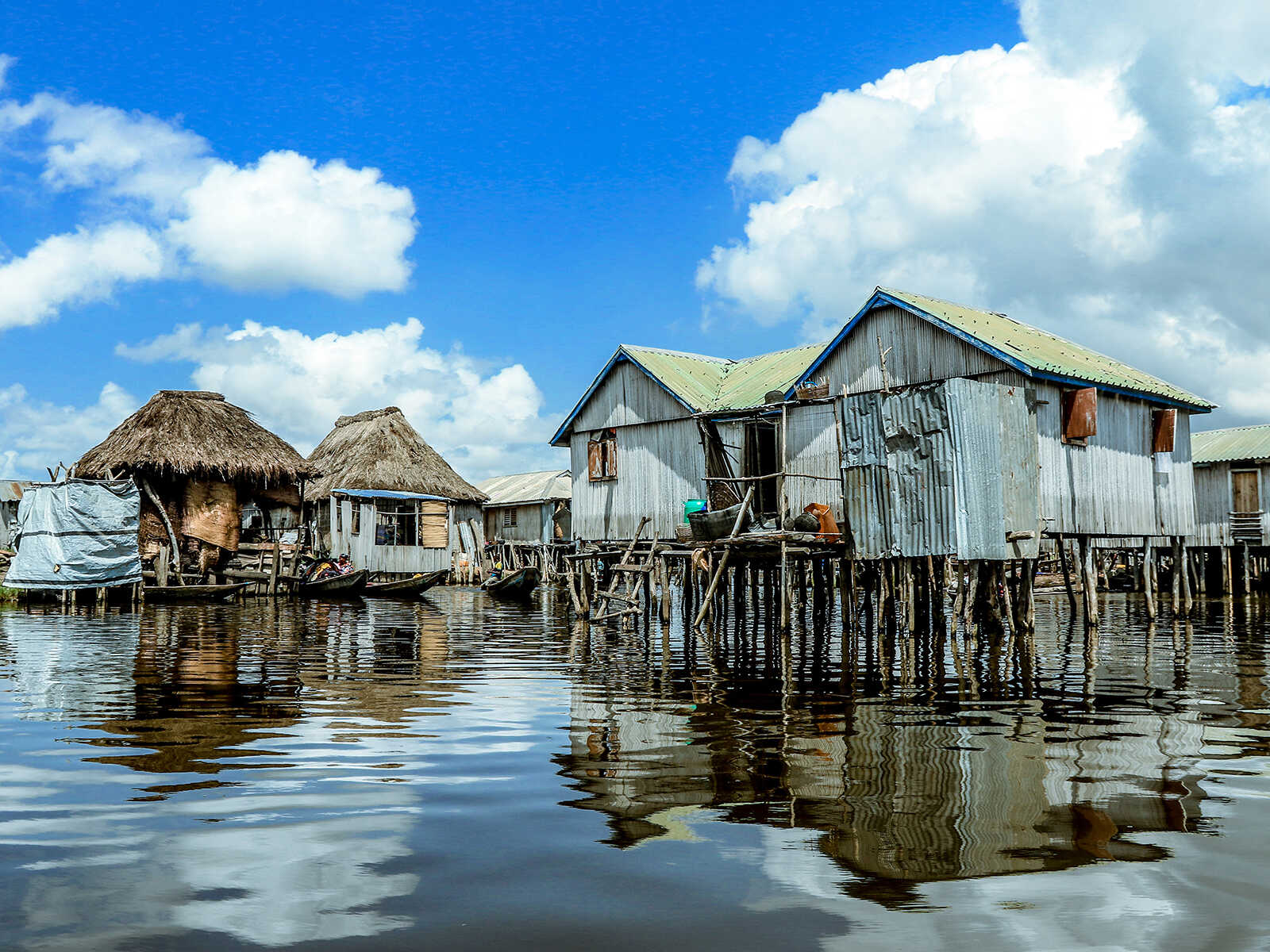
Ganvie Travel Guide: Experiencing the Venice of Africa
Nestled in the heart of Lake Nokoué in Benin lies Ganvie, a remarkable stilt village often dubbed the "Venice of Africa." This unique community offers an unparalleled glimpse into a way of life entirely adapted to water, providing an unforgettable cultural experience for any traveler.
Embark on a journey to Ganvie and discover a vibrant world where homes, markets, and daily routines unfold upon the shimmering lake surface.
What is Ganvie? A Floating Marvel
Ganvie is not just a village; it's a testament to human ingenuity and resilience. Founded in the 16th or 17th century by the Tofinu people seeking refuge from slave traders from the Fon tribe (who were forbidden by religious custom from pursuing people over water), the community built their homes on stilts in the middle of Lake Nokoué.
Today, Ganvie is home to an estimated 20,000-40,000 inhabitants, making it one of Africa's largest lake villages. The entire community lives, works, and travels by wooden pirogue, creating a mesmerizing spectacle of bustling activity on the water. It's a candidate for UNESCO World Heritage status, recognized for its outstanding universal value.
Getting to Ganvie: Your Gateway to the Lake
Your journey to Ganvie typically begins in Cotonou, Benin's largest city. From Cotonou, you'll need to travel approximately 30 minutes by taxi or shared bush taxi to Abomey-Calavi, the lakeside town that serves as the gateway to Ganvie.
Upon arrival in Abomey-Calavi, you'll find the main jetty where numerous pirogue operators await. It's advisable to arrange a round-trip pirogue with a reputable guide. While guides are not strictly mandatory, having a local accompany you can greatly enhance your experience, providing context, facilitating interactions, and ensuring a smoother visit.
Tip:Negotiate the price for your pirogue tour before you depart. Clarify what's included (e.g., duration, specific stops) to avoid misunderstandings.
Exploring Ganvie: Life on the Water
The Iconic Pirogue Tour
Once you step into your pirogue, you'll be paddled across the lake, leaving the mainland behind and entering a world defined by water. The tour typically takes you through the heart of the village, allowing you to witness daily life unfold.
- Floating Market:Experience the vibrant heart of Ganvie where goods, primarily fresh fish and local produce, are bought and sold from boat to boat.
- Stilt Houses:Marvel at the intricately built homes, constructed from wood and thatch, standing proudly above the water.
- Schools and Churches:Discover how essential services, including education and worship, are adapted to this unique aquatic environment.
- Daily Activities:Observe fishermen tending their "acadja" fish farms, women preparing meals, and children paddling their miniature pirogues with remarkable skill.
Sustainable Fishing Practices
Fishing is the primary livelihood in Ganvie, and the community employs an ingenious, sustainable method called "acadja." This involves planting branches and stakes in specific areas of the lake, creating artificial habitats that attract fish. After a period, the fish are harvested from these natural traps. This eco-friendly approach has sustained the community for centuries, providing a living example of harmonious coexistence with nature.
Cultural Immersion and Respectful Travel
Ganvie offers a profound cultural immersion. To ensure a positive experience for both you and the local community:
- Engage with a Local Guide:A knowledgeable guide can bridge language barriers and provide invaluable insights into the history and customs of Ganvie.
- Photography Etiquette:Always ask for permission before taking photos of individuals, especially children. A polite gesture and a smile often suffice.
- Support Local Economy:Consider purchasing a souvenir from the floating market or a small craft from a local vendor.
Where to Stay and Eat in Ganvie
Accommodation options directly within Ganvie are limited to very basic guesthouses or homestays, offering a truly authentic but rustic experience. Most visitors opt to stay in Cotonou or Abomey-Calavi, which offer a wider range of hotels and guesthouses, from budget-friendly to more comfortable options.
When it comes to food, fresh fish is, understandably, the star of the show. You'll find delicious grilled fish (poisson braisé) prepared with local spices, often served with rice or fried plantains. In Abomey-Calavi, you can also find a variety of Beninese dishes at local eateries.
Best Time to Visit Ganvie
Benin experiences two main seasons: a dry season (November to April) and a wet season (May to October). Thedry seasonis generally considered the best time to visit Ganvie, with less rainfall, lower humidity, and more predictable weather for your boat trip. However, thewet seasonbrings lush greenery and a slightly higher water level, which some travelers find appealing, though downpours can occur.
Essential Tips for Your Ganvie Trip
- Sun Protection:The sun on Lake Nokoué can be intense. Bring a wide-brimmed hat, sunglasses, and high-SPF sunscreen.
- Hydration:Carry plenty of bottled water to stay hydrated throughout your visit.
- Camera Protection:While generally calm, unexpected splashes can occur. Consider a waterproof bag or cover for your camera and phone.
- Comfortable Clothing:Light, breathable clothing is ideal.
- Respect and Openness:Approach your visit with an open mind and a deep respect for the local culture and environment.
- Environmental Responsibility:Do not litter. Take all your waste with you back to the mainland.
Beyond Ganvie: Exploring Benin's Rich Heritage
While Ganvie is a highlight, Benin offers a wealth of other captivating experiences that delve into its rich history, vibrant culture, and natural beauty. Consider extending your journey to explore:
- The Royal Palaces of Abomey: A UNESCO World Heritage site offering a glimpse into the powerful Dahomey Kingdom.
- The Porte Du Non Retour(Door of No Return) in Ouidah: A poignant memorial to the transatlantic slave trade.
- The Pythons Temple in Ouidah: An active Voodoo temple where sacred pythons are revered.
- Grand Popo: For serene beaches and a tranquil coastal escape.
- Pendjari National Park: For an incredible wildlife safari experience in northern Benin.
Ganvie is more than just a destination; it's an experience that challenges perceptions and offers a profound connection to a truly unique way of life. By visiting responsibly and with an open heart, you'll carry memories of this "Venice of Africa" long after you've returned to dry land.