
Exploring the Royal Palaces of Abomey: A UNESCO World Heritage Journey
Step back in time to the heart of the ancient Kingdom of Dahomey with a visit to the Royal Palaces of Abomey. This UNESCO World Heritage site in Benin offers a profound journey into West African history, culture, and artistry. Discover the legacy of a powerful empire through its captivating architecture and poignant artifacts.
A Glimpse into the Kingdom of Dahomey
The Royal Palaces of Abomey served as the ceremonial and administrative centers of the Kingdom of Dahomey, which flourished from approximately 1625 to 1894. Spanning an area of 47 hectares, the site encompasses the remains of twelve successive kings' palaces, each reflecting the monarch's reign and the evolving history of the kingdom. These palaces are not merely structures but living testaments to the ingenuity and resilience of the Fon people.
The UNESCO Recognition and Significance
Designated a UNESCO World Heritage site in 1985, the Royal Palaces of Abomey are celebrated for their exceptional testimony to a vanished cultural tradition and their architectural and artistic significance. The site's unique bas-reliefs, which adorn the walls of the palaces, are particularly noteworthy. These intricate clay sculptures depict the history, myths, and customs of the Fon people, serving as a powerful visual chronicle of royal events, military victories, and spiritual beliefs.
Did You Know?The Kingdom of Dahomey was renowned for its formidable all-female military regiment, often referred to as the "Dahomey Amazons." These elite warriors played a crucial role in defending the kingdom and expanding its territories.
What to Expect on Your Visit
A visit to the Royal Palaces of Abomey typically begins at the Musée Historique d'Abomey, housed within the former palaces of Kings Ghézo and Glèlè. This museum offers an invaluable introduction to the kingdom's history and displays a rich collection of royal artifacts.
The Musée Historique d'Abomey
The museum's collection is diverse and compelling, featuring items such as:
- Royal Thrones:Intricately carved and symbolic, these thrones tell stories of power and lineage.
- Ceremonial Objects:Weapons, ritualistic items, and regalia used by the kings and their courts.
- Textiles and Appliqués:Beautifully crafted fabrics that often depict historical narratives or royal symbols.
- Bas-Reliefs:Many original bas-reliefs have been preserved and moved indoors for protection, allowing for a closer examination of their detailed artistry and historical narratives.
Knowledgeable local guides are essential for a comprehensive understanding of the site. They can interpret the complex symbolism of the bas-reliefs, share fascinating anecdotes about the kings, and bring the history of Dahomey to life.
Exploring the Palace Grounds
Beyond the museum, the expansive grounds invite exploration. You'll walk through areas where successive kings built their residences, each designed with specific functions in mind. While many structures are now ruins, their outlines and remaining walls evoke the grandeur of a bygone era. The scale of the site underscores the power and influence of the Dahomeyan kings.
Royal Tombs and Sacred Spaces
The palaces also house royal tombs, which are considered sacred. These spaces offer a solemn reflection on the spiritual beliefs and ancestral reverence that permeated the kingdom. Visitors are often asked to observe specific protocols out of respect for these hallowed grounds.
Planning Your Journey to Abomey
Abomey is located in south-central Benin, making it an accessible, albeit significant, journey from the country's main cities.
Getting There
- From Cotonou:Abomey is approximately a 2-3 hour drive north of Cotonou. Taxis-brousse (shared bush taxis) are a common and affordable mode of transport, departing from major stations in Cotonou. Private taxis or organized tours offer more comfort and directness.
- From Ouidah:If you're exploring the historical slave route in Ouidah, Abomey is also reachable by taxi-brousse or private vehicle. Consider combining your visit with the powerful Porte Du Non Retour and the intriguing Pythons Temple for a deeper dive into Benin's history and culture.
Best Time to Visit
The dry season, from November to February, is generally the most comfortable time to visit Abomey, with cooler temperatures and less humidity. However, the palaces are accessible year-round.
Practical Tips for Visitors
- Hire a Guide:While you can walk the grounds independently, a local guide is highly recommended to fully appreciate the historical and cultural depth of the palaces and museum.
- Dress Respectfully:As a site of immense cultural and historical importance, it's advisable to dress modestly.
- Stay Hydrated:Benin's climate can be hot, so carry water, especially when exploring the outdoor areas.
- Camera Policy:Inquire about photography rules upon entry, as some areas (especially within the museum or sacred spaces) may have restrictions.
Beyond the Palaces: Abomey Town
While the palaces are the main draw, Abomey town itself offers insights into contemporary Beninese life. Explore the bustling local markets, where you can find vibrant textiles, local produce, and traditional crafts. Engage with local artisans and perhaps witness a glimpse of the enduring cultural traditions that link modern Benin to its rich past.
Connecting Abomey to Your Benin Itinerary
A visit to the Royal Palaces of Abomey is a cornerstone of any comprehensive trip to Benin. It provides a crucial historical context that enhances understanding of other significant sites. After immersing yourself in Abomey's royal history, you might consider:
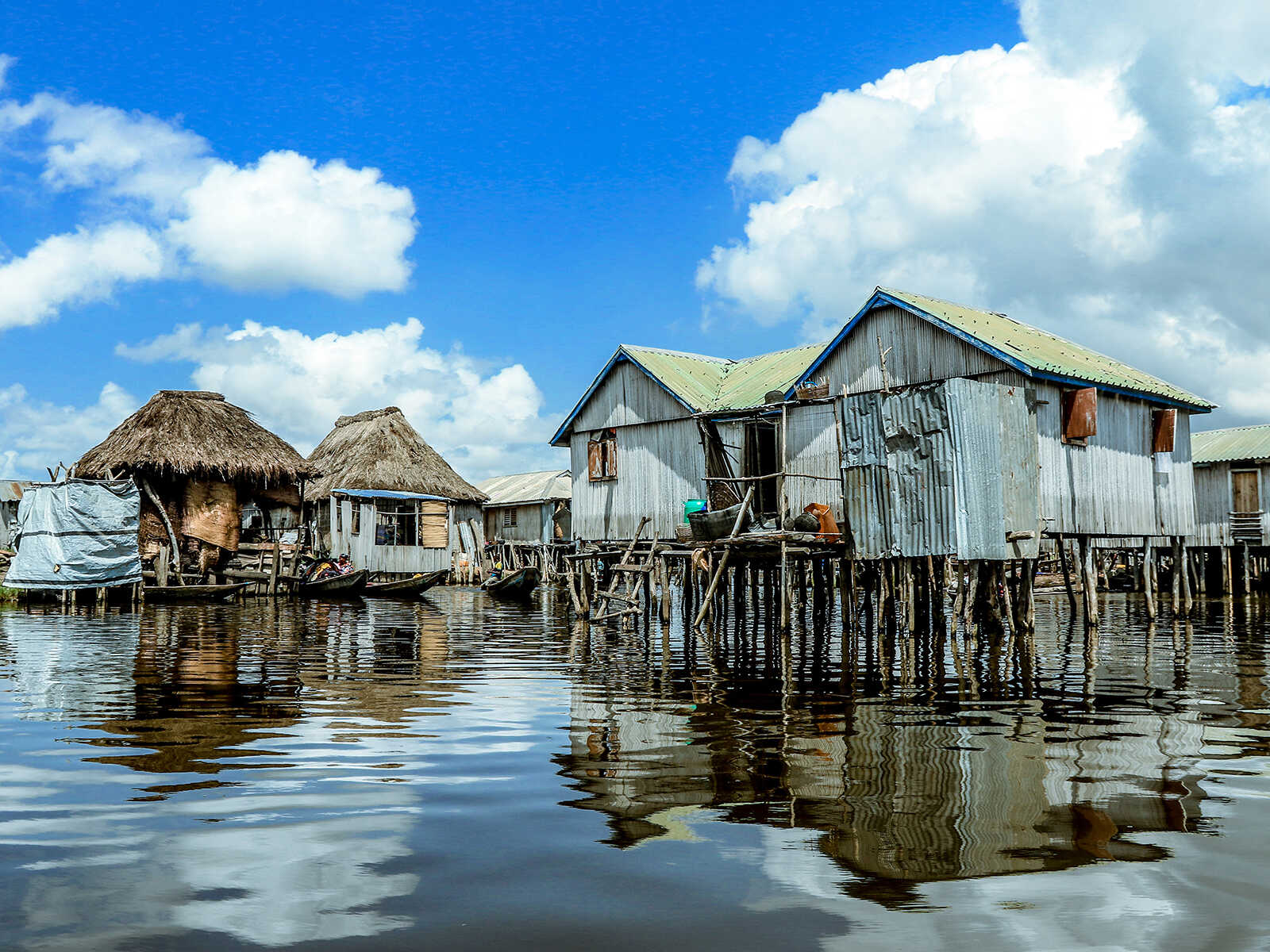
- Heading south to explore the stilt village of Ganvie, often called the "Venice of Africa."
- Relaxing on the serene beaches of Grand Popo, or continuing your historical exploration in Ouidah.
- For wildlife enthusiasts, consider extending your journey north to the impressive Pendjari National Park for a contrasting experience of Benin's natural heritage.
The Royal Palaces of Abomey offer more than just historical ruins; they provide a profound educational and cultural experience. It's a place where the echoes of kings, warriors, and artists resonate, inviting visitors to connect with the powerful narrative of one of West Africa's most significant kingdoms.