
Essential French Phrases for Travelers in Benin
Venturing to Benin promises an unforgettable journey through a land rich in history, vibrant culture, and stunning landscapes. While many local languages are spoken, French stands as the official language, making basic French phrases your indispensable tool for navigating, connecting, and truly immersing yourself in this captivating West African nation.
Why French is Your Key to Benin
Benin is a linguistic mosaic, home to over 50 indigenous languages, including Fon, Yoruba, Bariba, and Dendi. However, French serves as the lingua franca, used in government, education, business, and by a significant portion of the population, especially in urban areas and tourist zones. While you might encounter some English speakers in major hotels or tourist hubs, relying solely on it will limit your interactions and experiences.
Learning even a handful of French phrases demonstrates respect for the local culture and opens doors to more genuine interactions. It can help you haggle in bustling markets, order delicious local cuisine, ask for directions, and build rapport with the warm and welcoming Beninese people.
Basic Greetings and Courtesies (Les Salutations et Politesse)
Politeness is highly valued in Beninese culture. Always start an interaction with a greeting before making a request or asking a question. These phrases are your foundation:
- Bonjour(bon-ZHOOR) – Good day/Hello (used until late afternoon)
- Bonsoir(bon-SWAR) – Good evening (used from late afternoon onwards)
- Bonne nuit(bon NWEE) – Good night (used when going to bed)
- Comment ça va?(ko-MON sa VA) – How are you?
- Ça va bien, merci. Et vous?(sa VA byan, mer-SEE. ay VOO?) – I'm fine, thank you. And you?
- S'il vous plaît(seel voo PLEH) – Please (formal)
- Merci(mer-SEE) – Thank you
- De rien(duh RYEN) – You're welcome / It's nothing
- Pardon / Excusez-moi(par-DON / ex-KOO-zay MWA) – Excuse me / Sorry
- Oui(wee) – Yes
- Non(non) – No
- Au revoir(oh ruh-VWAR) – Goodbye
Cultural Tip:In Benin, it's customary to greet everyone you encounter, even if just passing by. A simple "Bonjour" or "Bonsoir" accompanied by a smile goes a long way. When meeting someone for the first time, a handshake is common.
Getting Around (Se Déplacer)
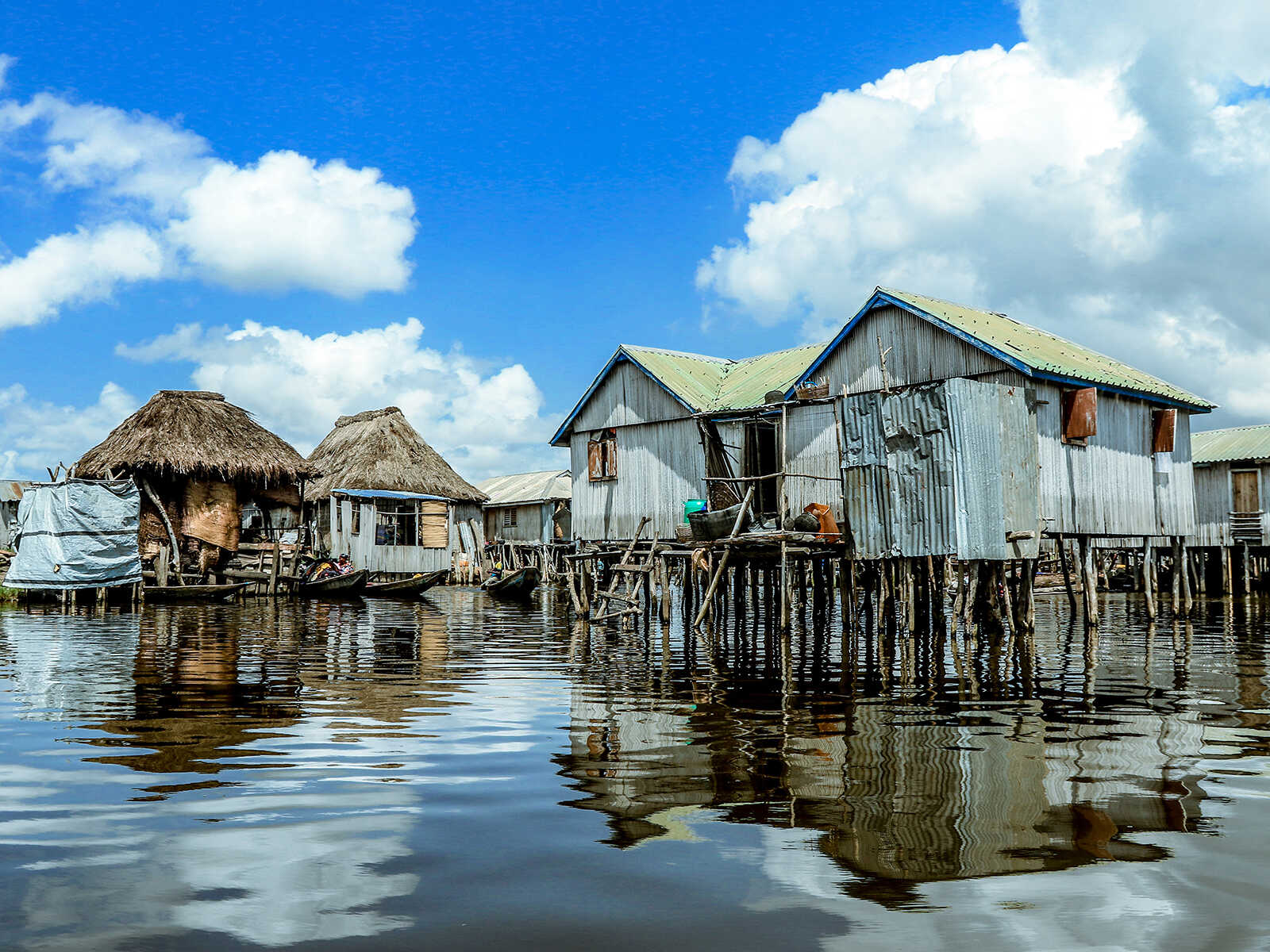
Navigating Benin's diverse landscapes, from the bustling streets of Cotonou to the tranquil waters of Ganvie, is easier with some directional phrases. Taxis (shared or private) and Zémidjans (moto-taxis) are common modes of transport.
- Où est...?(oo EH) – Where is...?
- Comment aller à...?(ko-MON al-LAY ah) – How do I get to...?
- Je voudrais aller à...(zhuh voo-DRAY al-LAY ah) – I would like to go to...
- C'est loin?(seh LWEN?) – Is it far?
- C'est près?(seh PREH?) – Is it close?
- Tout droit(too DRWAH) – Straight ahead
- À gauche(ah GOHSH) – To the left
- À droite(ah DRWAT) – To the right
- Arrêtez ici, s'il vous plaît.(ah-RET-ay ee-SEE, seel voo PLEH) – Stop here, please.
- Quel est le prix? / Combien ça coûte?(kel eh luh PREE / kom-BYEN sa KOOT?) – What is the price? / How much does it cost?
- Je cherche un taxi / un zémidjan.(zhuh SHERCH un TAX-ee / un zay-mee-JAN) – I'm looking for a taxi / a moto-taxi.
Imagine you're trying to find the iconic Porte Du Non Retour in Ouidah, or the historic Royal Palaces of Abomey. Being able to ask "Comment aller à la Porte Du Non Retour?" or "Où sont les Palais Royaux d'Abomey?" will be incredibly helpful.
Dining and Shopping (Manger et Acheter)
Beninese cuisine is a delightful blend of flavors, often featuring fresh fish, chicken, rice, yams, and spicy sauces. Markets are vibrant hubs where you can find everything from local produce to artisanal crafts. Knowing these phrases will enrich your culinary and shopping experiences:
- J'ai faim / J'ai soif.(zhay FAHM / zhay SWAF) – I'm hungry / I'm thirsty.
- Je voudrais...(zhuh voo-DRAY) – I would like...
- Qu'est-ce que c'est?(kes-kuh SEH?) – What is this?
- L'addition, s'il vous plaît.(lah-dee-SYON, seel voo PLEH) – The bill, please.
- C'est délicieux!(seh day-lee-SYUH!) – It's delicious!
- Je suis végétarien(ne).(zhuh swee vay-zhay-TAR-yen) – I am vegetarian. (add -ne for female)
- Je ne mange pas de viande.(zhuh nuh MAHNZH pa duh VYAND) – I don't eat meat.
When exploring local markets, perhaps near Pythons Temple or in coastal towns like Grand Popo, bargaining is often part of the experience. While we avoid specific prices, these phrases are useful:
- C'est combien?(seh kom-BYEN?) – How much is it?
- C'est cher.(seh SHER) – It's expensive.
- C'est bon marché.(seh bon mar-SHAY) – It's cheap.
- Pouvez-vous faire un meilleur prix?(poo-VAY voo fair un MEH-yur PREE?) – Can you make a better price?
And for numbers, just knowing the basics can help:un(1),deux(2),trois(3),dix(10),vingt(20),cent(100).
Essential Help and Emergencies (Aide et Urgences)
While we hope your trip is smooth, knowing how to ask for help is crucial for any traveler.
- Aidez-moi! / Au secours!(eh-DAY MWA / oh suh-KOOR!) – Help me! / Help!
- J'ai besoin d'un médecin.(zhay buh-ZWAN dun med-SAN) – I need a doctor.
- J'ai perdu mon passeport.(zhay per-DOO mon pas-POR) – I've lost my passport.
- Où sont les toilettes?(oo son lay TWA-let?) – Where are the restrooms?
- Je ne comprends pas.(zhuh nuh kom-PRAN pa) – I don't understand.
- Parlez-vous anglais?(par-LAY voo an-GLEH?) – Do you speak English?
Cultural Nuances and Respect
Beyond the words themselves, understanding how French is used in a Beninese context is important. The "vous" form (formal "you") is generally preferred when addressing strangers, elders, or anyone in a position of authority, showing respect. The "tu" form (informal "you") is reserved for close friends, children, or peers once a relationship has been established.
Beninese people are known for their hospitality. A genuine attempt to speak French, even if imperfect, will be met with appreciation and often a helpful response. Remember that while French is official, the local languages carry deep cultural significance, particularly in regions around sites like the Royal Palaces of Abomey or rural communities near Pendjari National Park. Learning a simple greeting in a local language, if you know which one is prevalent, can be a delightful bonus.
Practice Makes Perfect
Don't be shy! The best way to learn is by doing. Practice your phrases with locals, even if it's just a simple "Bonjour, ça va?" The more you speak, the more comfortable and confident you'll become. Consider downloading a French dictionary app or a phrasebook before your trip to have quick access to translations.
Your effort to speak French in Benin will not only make your travels smoother but will also allow for richer, more meaningful interactions. It's a bridge to understanding the vibrant soul of this incredible country and its people.
Embark on your Beninese adventure with confidence, armed with these essential French phrases. You'll find that a little linguistic effort goes a long way in unlocking the true essence of your journey.