
Cotonou Travel Guide: Exploring Benin's Vibrant Capital
Cotonou, Benin's largest city and economic hub, pulsates with an energy that is uniquely West African. From bustling markets to serene beaches and a rich cultural tapestry, this dynamic city offers an authentic and unforgettable experience for every traveler.
Why Visit Cotonou?
Cotonou serves as an essential gateway to Benin, blending modern development with deep-rooted traditions. It’s a city where the rhythm of daily life is palpable, offering a fascinating introduction to Beninese culture, history, and vibrant street scenes. Whether you're drawn to its markets, art, or its proximity to historical sites, Cotonou provides a compelling starting point for exploration.
Getting There & Getting Around
Arriving in Cotonou
Most international visitors arrive atCadjehoun Airport (COO), located just a short drive from the city center. Taxis are readily available outside the terminal to take you to your accommodation. It's advisable to agree on a fare before starting your journey.
Navigating the City
Cotonou's streets are a lively mix, and getting around is an experience in itself. The most iconic mode of transport is the zémidjan, a motorcycle taxi. These ubiquitous green bikes offer a quick and efficient way to navigate traffic, but always negotiate your fare beforehand and ensure you feel comfortable. For longer distances or group travel, standard taxis (often yellow) are available, or you can opt for shared taxis (clandos) which run on fixed routes.
Top Attractions & Things to Do in Cotonou
Dantokpa Market
No visit to Cotonou is complete without immersing yourself in the chaos and charm ofDantokpa Market. One of West Africa's largest open-air markets, it's a sensory overload of sights, sounds, and smells. Here, you'll find everything from fresh produce, textiles, and electronics to traditional medicines and voodoo paraphernalia. It’s a vibrant testament to the city's commercial heart and a prime spot for people-watching.
Fondation Zinsou
For a dose of contemporary art, head to theFondation Zinsou. This private foundation plays a crucial role in promoting African contemporary art, showcasing works by both established and emerging artists from Benin and across the continent. Entry is often free, making it an accessible cultural highlight.
Artisanal Centre
If you're looking for souvenirs and locally crafted goods, theArtisanal Centre(Centre de Promotion de l'Artisanat) is an excellent stop. Here, artisans sell a wide array of items, including wood carvings, textiles, jewelry, and leather goods. It’s a great place to find authentic pieces and support local craftsmanship.
Cotonou Cathedral
TheCotonou Cathedral, also known as Notre Dame des Apôtres, is a striking architectural landmark with its distinctive red and white striped façade. Located near the city center, it offers a moment of quiet reflection amidst the urban bustle and is worth a quick visit for its unique design.
Marina & Obama Beach
For some relaxation by the Atlantic, head towards theMarinaorObama Beach. While Cotonou's beaches aren't always ideal for swimming due to strong currents, they offer pleasant spots for a stroll, enjoying fresh grilled fish from local vendors, and watching the fishing boats come and go. It’s a good place to unwind, especially in the late afternoon.
The Amazon Statue (L'Amazone)
A relatively new but significant landmark,The Amazon Statueis an imposing monument dedicated to the legendary Dahomey Amazons, an all-female military regiment. Located prominently in the city, it serves as a powerful symbol of strength, heritage, and national pride, reflecting Benin's rich history.
Day Trips from Cotonou
Cotonou's strategic location makes it an ideal base for exploring some of Benin's most fascinating attractions.
Ganvié: The Venice of Africa
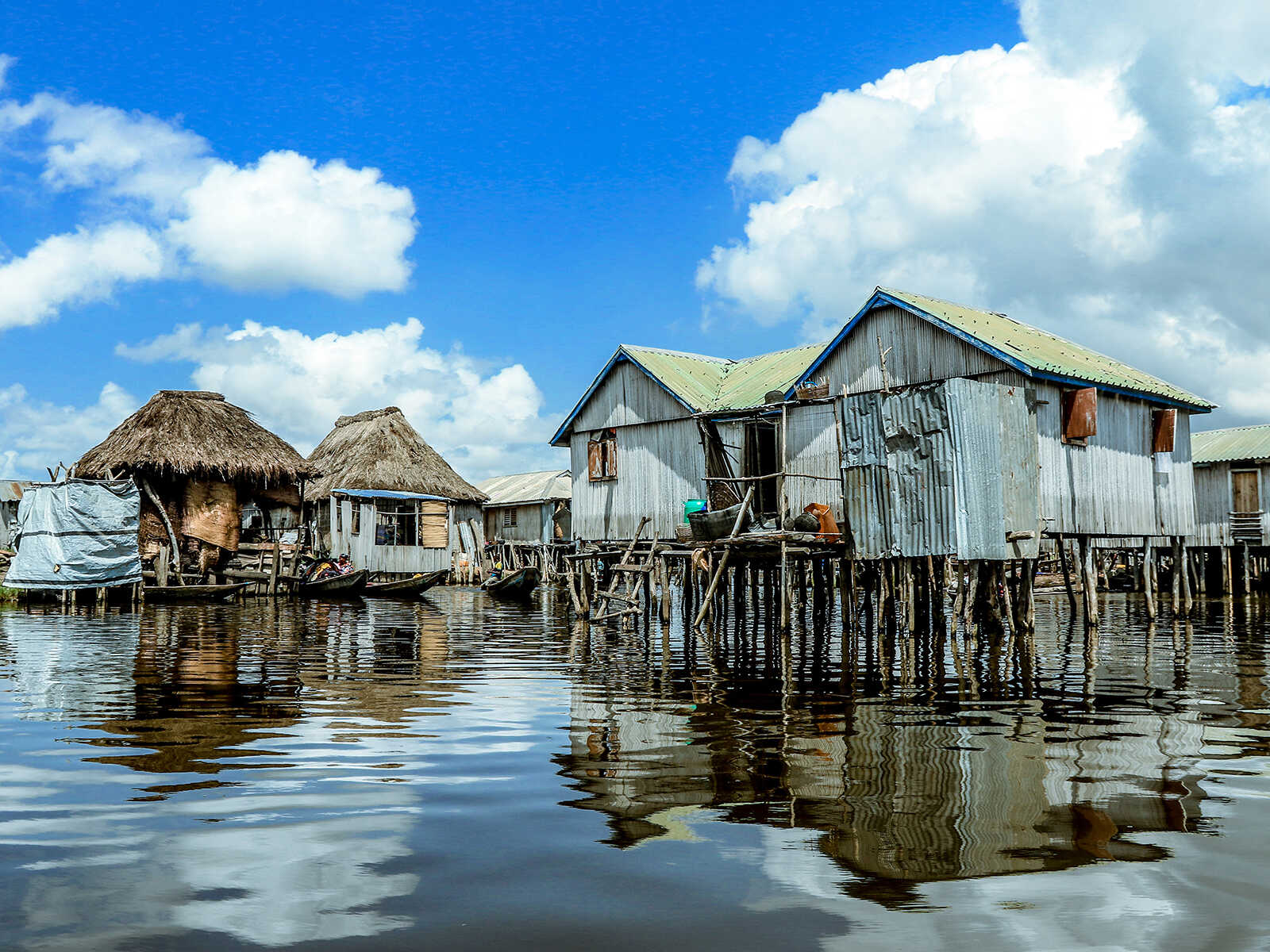
Just a short drive and pirogue ride from Cotonou lies Ganvie, often called the "Venice of Africa." This incredible stilt village is entirely built on Lake Nokoué, with its inhabitants living, working, and even shopping from boats. A visit to Ganvie offers a unique glimpse into a way of life perfectly adapted to its aquatic environment. It's an absolute must-see.
Ouidah: A Journey Through History
To the west of Cotonou, the historic town of Ouidah offers a profound journey into Benin's past, particularly its role in the transatlantic slave trade. Key sites include theHistory Museum of Ouidah(housed in a former Portuguese fort), the Pythons Temple, and the powerful Porte Du Non Retour(Door of No Return) on the beach, commemorating the final departure point for enslaved Africans.
Traveler's Tip:When visiting Ouidah, consider hiring a local guide. Their insights can bring the historical sites to life and provide a deeper understanding of the profound stories associated with them.
Grand Popo: Coastal Retreat
Further west, towards the Togolese border, lies Grand Popo, a charming coastal town known for its beautiful beaches and serene atmosphere. It’s a perfect escape from the city, offering opportunities for river excursions, bird watching, and simply relaxing by the ocean. The Mono River estuary here is particularly scenic.
Culinary Delights: What to Eat in Cotonou
Beninese cuisine is hearty and flavorful. Don't leave Cotonou without trying some local specialties:
- Pâte: A staple made from corn flour, often served with a sauce (peanut, tomato, or fish-based) and meat or fish.
- Fufu: A dough-like accompaniment made from pounded yams or cassava, typically eaten with soup.
- Grilled Fish: Freshly caught from the Atlantic, often spiced and served with chili sauce and fried plantains.
- Akassa: A fermented corn paste, often enjoyed with fried fish or chicken.
- Street Food: Look out foraloko(fried plantains), skewers of grilled meat (brochettes), and various pastries.
Practical Tips for Travelers
Best Time to Visit
The dry season, fromNovember to February, offers the most pleasant weather for exploring Cotonou and Benin, with cooler temperatures and less humidity. A shorter dry season also occurs from July to September.
Language
Frenchis the official language. While many locals speak various indigenous languages (Fon, Goun, Yoruba), knowing some basic French phrases will significantly enhance your experience.
Currency
The local currency is theWest African CFA Franc (XOF). ATMs are available in Cotonou, but it's always wise to carry some smaller denominations for market purchases and zémidjan fares.
Safety
Cotonou is generally safe, but like any large city, it's important to be aware of your surroundings. Avoid walking alone at night, be cautious with your belongings in crowded areas like markets, and use reputable transport. Keep important documents securely stored.
Health
Consult your doctor well in advance about necessary vaccinations (Yellow Fever is often required) and malaria prophylaxis. Drink bottled water only and be mindful of street food hygiene.
Connectivity
Local SIM cards for mobile data are readily available from providers like MTN and Moov Africa. Purchase one at the airport or in town for easy access to internet and local calls.
Embracing the Local Culture
Benin is the birthplace of Voodoo, and its influence is subtly woven into the fabric of daily life, even in a bustling city like Cotonou. You might encounter shrines or observe traditional practices. The people are generally welcoming and friendly, and showing respect for local customs will always be appreciated.
Cotonou, with its vibrant markets, artistic flair, and proximity to historical wonders, offers a truly immersive West African adventure. It's a city that challenges, delights, and ultimately leaves a lasting impression on all who venture through its bustling streets.