
Best Time to Visit Benin: Month-by-Month Travel Guide
Benin, a captivating West African nation, offers a rich tapestry of history, culture, and natural beauty. To fully immerse yourself in its vibrant markets, ancient traditions, and stunning landscapes, understanding the country's climate and seasonal variations is key for planning the perfect trip.
Understanding Benin's Climate
Benin experiences a tropical climate with two distinct seasons: a dry season and a wet season. The timing and intensity of these seasons can vary slightly between the coastal south and the drier north.
- Dry Season (November to February/March):Characterized by cooler temperatures, lower humidity, and minimal rainfall. This is generally considered the peak tourist season, especially for wildlife viewing in the north.
- Wet Season (March/April to July, and a shorter wet season September to October):Brings higher humidity, warmer temperatures, and significant rainfall. Travel can be more challenging, but the landscape is lush and green.
Overall, thedry seasonoffers the most comfortable and accessible travel conditions across most of Benin, especially for exploring national parks and attending festivals.
Benin Month-by-Month Travel Guide
January: Festival Season & Ideal Conditions
January is arguably one of the best months to visit Benin. The dry season is in full swing, offering pleasant temperatures and very little rainfall. Humidity is low, making it comfortable for exploring. This month is particularly famous for the annual Voodoo Festival in Ouidah, attracting visitors from around the globe to witness traditional ceremonies. It's also an excellent time for wildlife safaris in Pendjari National Park, as animals gather around shrinking water sources.
February: Continued Dry & Pleasant
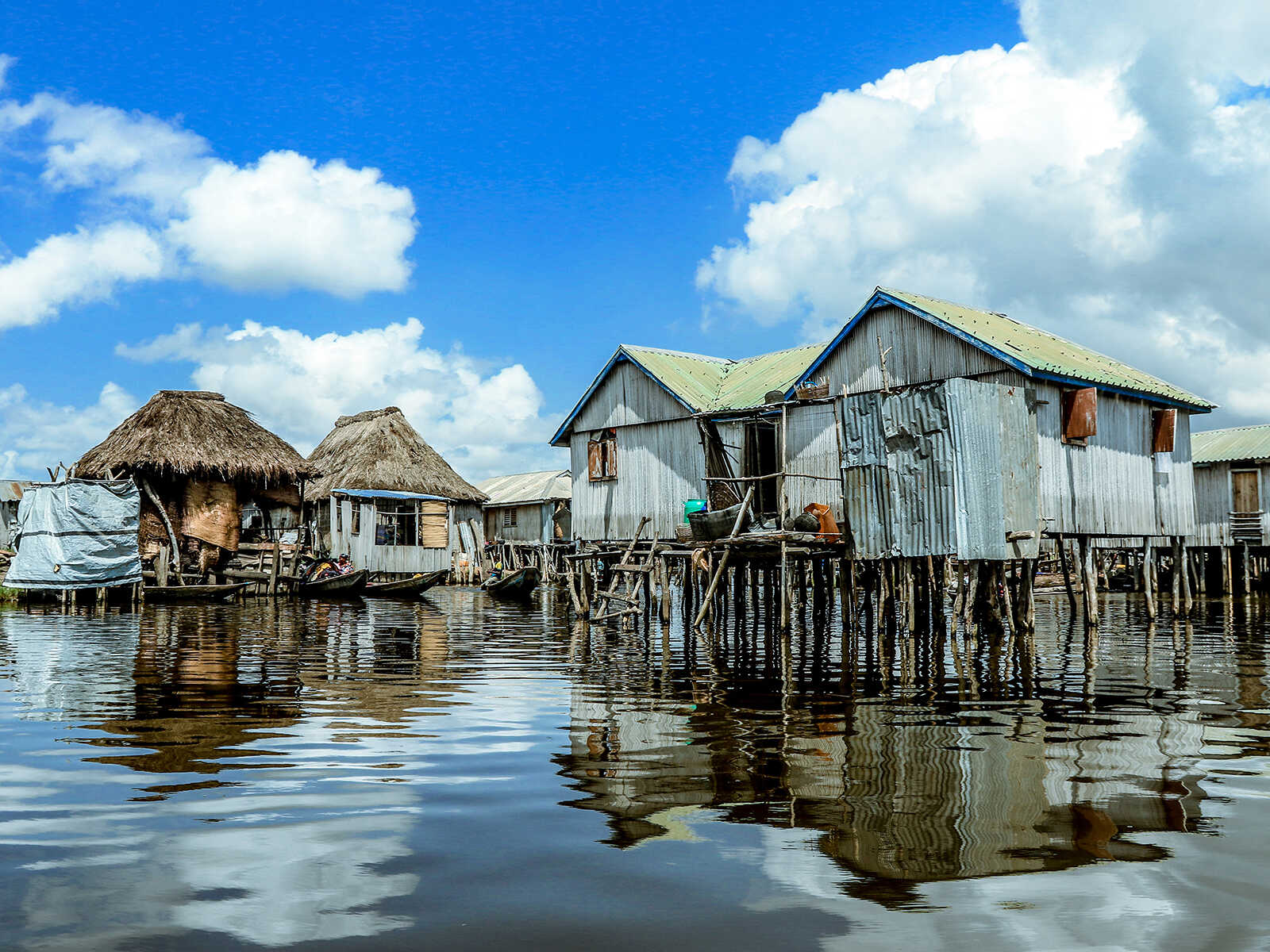
February continues the ideal dry season weather. Temperatures remain comfortable, and the skies are generally clear. It's perfect for historical tours to places like the Royal Palaces of Abomey, a UNESCO World Heritage site, or visiting the lake village of Ganvie. Coastal areas like Grand Popo are delightful for beach relaxation.
March: Transition to Heat & Early Rains
March marks the beginning of the transition period. While still largely dry, temperatures start to climb, especially in the north. The first scattered showers might appear towards the end of the month, signaling the approach of the main wet season. It's still a good time to visit, but be prepared for warmer weather. Wildlife viewing in Pendjari is still good but can become very hot.
April: Warmer & Increasing Rainfall
April sees a significant increase in both temperature and humidity, particularly in the south. The long rainy season begins in earnest, bringing frequent, heavy downpours, often in the afternoon. While the rain can be intense, it usually doesn't last all day. Travel can become more challenging on unpaved roads, but the landscape turns incredibly lush and green. Consider indoor cultural activities or exploring cities.
May: Peak Rain & Lush Landscapes
May is typically one of the wettest months, especially along the coast. Expect daily heavy rainfall and high humidity. While less ideal for extensive travel or safaris, the natural beauty of Benin truly comes alive with vibrant greenery. If you don't mind the rain, it can be a unique time for cultural immersion away from the crowds. Roads, especially in rural areas, can be difficult to navigate.
June: Continued Heavy Rain
June closely mirrors May with persistent heavy rains and high humidity across much of the country. This period is generally not recommended for first-time visitors seeking diverse outdoor activities. However, for those interested in photography or experiencing Benin's quiet, verdant side, it offers a different perspective. Ensure your accommodation is well-prepared for the wet conditions.
July: Short Dry Spell in the South
Interestingly, the coastal south often experiences a brief, drier period in July, sometimes referred to as the "small dry season." While not as dry as the main dry season, rainfall decreases compared to May and June. The north, however, remains firmly in its main wet season. This can be a decent time for southern coastal areas like Ouidah, home to the Porte Du Non Retour, if you plan carefully.
August: Return of Southern Rains, North Still Wet
The short dry spell in the south typically ends in August, with rains returning. The north continues to experience its wet season, making Pendjari National Park largely inaccessible or very challenging for wildlife viewing due to thick vegetation and dispersed animals. This is generally a low season for tourism, with fewer crowds and potentially lower prices for accommodation, but limited activity options.
September: Moderate Rains & Cultural Events
September sees a reduction in the heaviest rainfall compared to the peak wet months, though moderate showers are still common. Humidity remains high. This can be a good time for cultural engagements and exploring urban centers, as the rains are less disruptive than earlier in the season. Local festivals related to harvests or traditional events may occur.
October: Transition to Dry Season
October is a transitional month as the country gradually moves out of the wet season. Rainfall decreases significantly, especially towards the end of the month, and temperatures begin to moderate. The landscape remains green and lush. This can be a rewarding time to visit, offering a balance of pleasant weather and fewer tourists before the peak dry season fully sets in. Roads start to improve.
November: Beginning of Dry Season & Excellent Conditions
November marks the official start of the long dry season. The weather becomes increasingly pleasant with decreasing humidity and comfortable temperatures. Rainfall is minimal, and skies are generally clear. This is an excellent month for all types of travel across Benin, from exploring the historical sites of Abomey to experiencing the culture of Ganvie, or preparing for wildlife viewing in the north.
December: Peak Dry Season & Festive Atmosphere
December is another prime month for visiting Benin. The dry season is firmly established, offering glorious sunny days, low humidity, and comfortable temperatures. It's perfect for exploring every corner of the country, including the beaches of Grand Popo. The festive atmosphere around Christmas and New Year adds an extra layer of charm, though some places might see more local tourists.
Travel Tip:While the dry season is generally preferred, traveling during the shoulder months (October/November or March) can offer a unique experience with fewer crowds, greener landscapes, and still manageable weather conditions.
Key Considerations for Planning Your Trip
Health and Safety
Consult your doctor about necessary vaccinations (e.g., yellow fever is often required) and malaria prophylaxis well before your trip. Always drink bottled water and take precautions against mosquito bites. Petty crime can occur, so stay vigilant, especially in crowded areas.
Packing Essentials
Lightweight, breathable clothing is essential for Benin's tropical climate. During the dry season, include a light jacket for cooler evenings, especially in the north. For the wet season, rain gear and waterproof shoes are a must. Always pack sunscreen, insect repellent, a wide-brimmed hat, and comfortable walking shoes.
Visa Requirements
Most visitors to Benin will require a visa. It's advisable to check the latest requirements with the Beninese embassy or consulate in your country well in advance of your travel dates. E-visas are often available and can simplify the application process.
Local Customs and Culture
Benin is rich in cultural traditions. Politeness and respect for local customs are highly valued. Learning a few basic phrases in French (the official language) or local languages like Fon can enhance your interactions. Always ask for permission before taking photos of people, especially in rural areas or during ceremonies.
Conclusion
Benin offers a compelling journey for any traveler, regardless of the season. However, for the most comfortable and accessible experience, particularly if you plan to visit Pendjari National Park or attend major festivals like the Voodoo Festival, thedry season from November to Februarystands out as the optimal time. If lush landscapes and fewer crowds appeal to you, consider the shoulder months. Plan your visit according to your interests, and you're sure to discover the unique charm of this West African gem.