
Best Time for Wildlife Spotting in Pendjari National Park
Embarking on a safari in Pendjari National Park in Benin offers an unforgettable encounter with West Africa's vibrant wildlife. To maximize your chances of incredible sightings, understanding the park's distinct seasons and how they influence animal behavior is key. This guide will help you pinpoint the optimal time for your Pendjari adventure.
Pendjari: A Jewel of West African Wildlife
Nestled in the remote north of Benin, Pendjari National Park stands as a critical stronghold for West African megafauna. Part of the W-Arly-Pendjari (WAP) Complex, a vast transboundary protected area, it boasts a remarkable diversity of ecosystems, from savanna woodlands and grasslands to rocky hills and riverine forests. It's renowned for its significant populations of elephants, lions, leopards, hippos, various antelopes, and an impressive array of birdlife, making it an essential destination for any nature enthusiast.
Understanding Pendjari's Seasons for Optimal Spotting
Pendjari experiences two primary seasons: the dry season and the wet (or rainy) season. Each brings unique advantages and challenges for wildlife viewing.
The Dry Season: November to May – Prime Wildlife Viewing
The dry season is overwhelmingly considered thebest time for wildlife spottingin Pendjari, primarily due to two crucial factors: water scarcity and thinning vegetation.
Peak Dry Season: December to March
- Why it's Best:As the dry season progresses, water sources become increasingly scarce, forcing animals to congregate around the remaining permanent waterholes and rivers. The vegetation, particularly the tall grasses, dies back and thins out, significantly improving visibility for spotting animals, especially predators like lions and leopards.
- What to Expect:This period offers the highest probability of seeing large herds of elephants, buffalo, and various antelope species (such as western hartebeest, roan antelope, and kob) gathering at water points. Predators are often found lying in wait near these vital resources. Birdwatching is also excellent as migratory birds are present, and resident species are easier to spot.
- Weather:Days are typically hot and sunny, with cooler evenings and mornings. Humidity is low, making conditions generally comfortable for game drives.
- Road Conditions:Most roads within the park are dry and easily navigable, allowing access to a wider range of areas.
Expert Tip:During the peak dry season, focus your game drives around dawn and dusk, and pay close attention to waterholes during the hotter parts of the day. These are often the most productive times for sightings.
Late Dry Season: April to May
- Continued Good Viewing:Wildlife viewing remains good during these months as water continues to be scarce, and vegetation is still sparse.
- Increasing Heat:However, temperatures begin to climb significantly, often reaching their highest points of the year. This can make daytime safaris less comfortable for visitors, though animals are still active in the early mornings and late afternoons.
- Pre-Rain Activity:The air can feel heavy with anticipation of the coming rains, and sometimes animals behave differently in response to the changing atmospheric pressure.
The Wet Season: June to October – A Different Perspective
While often overlooked for traditional safaris, the wet season offers a unique and rewarding experience for specific interests, particularly birdwatching and witnessing a lush, vibrant landscape.
Challenges of the Wet Season:
- Dense Vegetation:The rains transform the park into a lush green paradise, but this also means thicker foliage, making it harder to spot animals.
- Animal Dispersion:With water available everywhere, animals disperse throughout the park, no longer needing to congregate at specific waterholes. This makes them more challenging to find.
- Road Conditions:Heavy rains can render some park roads impassable, limiting access to certain areas and potentially requiring 4x4 vehicles with experienced drivers.
Advantages of the Wet Season:
- Birdwatching Paradise:This is arguably thebest time for bird enthusiasts. Migratory birds arrive, resident species are in breeding plumage, and the park teems with avian activity.
- Lush Scenery:The landscape is dramatically transformed into vibrant greens, offering stunning photographic opportunities.
- Baby Animals:Many species give birth during this time, so you might be lucky enough to spot young calves and cubs.
- Fewer Tourists:With fewer visitors, you can enjoy a more secluded and intimate safari experience.
- Dramatic Skies:Expect impressive thunderstorms and dramatic cloud formations, creating spectacular backdrops.
Early Wet Season: June to July
The first rains begin, bringing relief from the heat and starting the greening process. Wildlife spotting becomes more challenging but still possible, especially in areas with better road access.
Peak Wet Season: August to September
This period sees the heaviest rainfall. Some parts of the park may be inaccessible. Focus shifts to birdwatching and appreciating the vibrant ecosystem.
Late Wet Season: October
Rains begin to subside, and the park slowly transitions back towards the dry season. Animals may start to gather at more reliable water sources again as temporary pools begin to dry up. This can be a transitional sweet spot for both greenery and increasing animal visibility.
Specific Wildlife Spotting Considerations
- Elephants & Buffalo:Most reliably seen during the dry season congregating at waterholes.
- Lions & Leopards:While always elusive, the dry season's sparse vegetation offers the best chances of spotting these predators, particularly near water sources.
- Hippos:Found year-round in permanent water bodies like the Pendjari River and some larger pools.
- Antelopes:Various species are present throughout the year, but easier to observe during the dry season due to better visibility.
- Birds:Excellent year-round, but the wet season (June-October) is particularly spectacular for migratory species and breeding plumage.
Planning Your Pendjari Adventure
Regardless of when you visit, certain logistical considerations are crucial for a successful safari:
- Guides and Vehicles:It is highly recommended to explore Pendjari with an experienced local guide and a reliable 4x4 vehicle. Guides possess invaluable knowledge of animal movements and the park's terrain.
- Accommodation:Options range from basic camping to lodges within or just outside the park. Booking in advance, especially during the peak dry season, is advisable.
- What to Bring:Light clothing, a wide-brimmed hat, sunglasses, sunscreen, insect repellent, binoculars, a good camera, and plenty of water are essential.
- Safety:Always follow your guide's instructions, especially when near wildlife.
Beyond the Safari: Exploring Benin
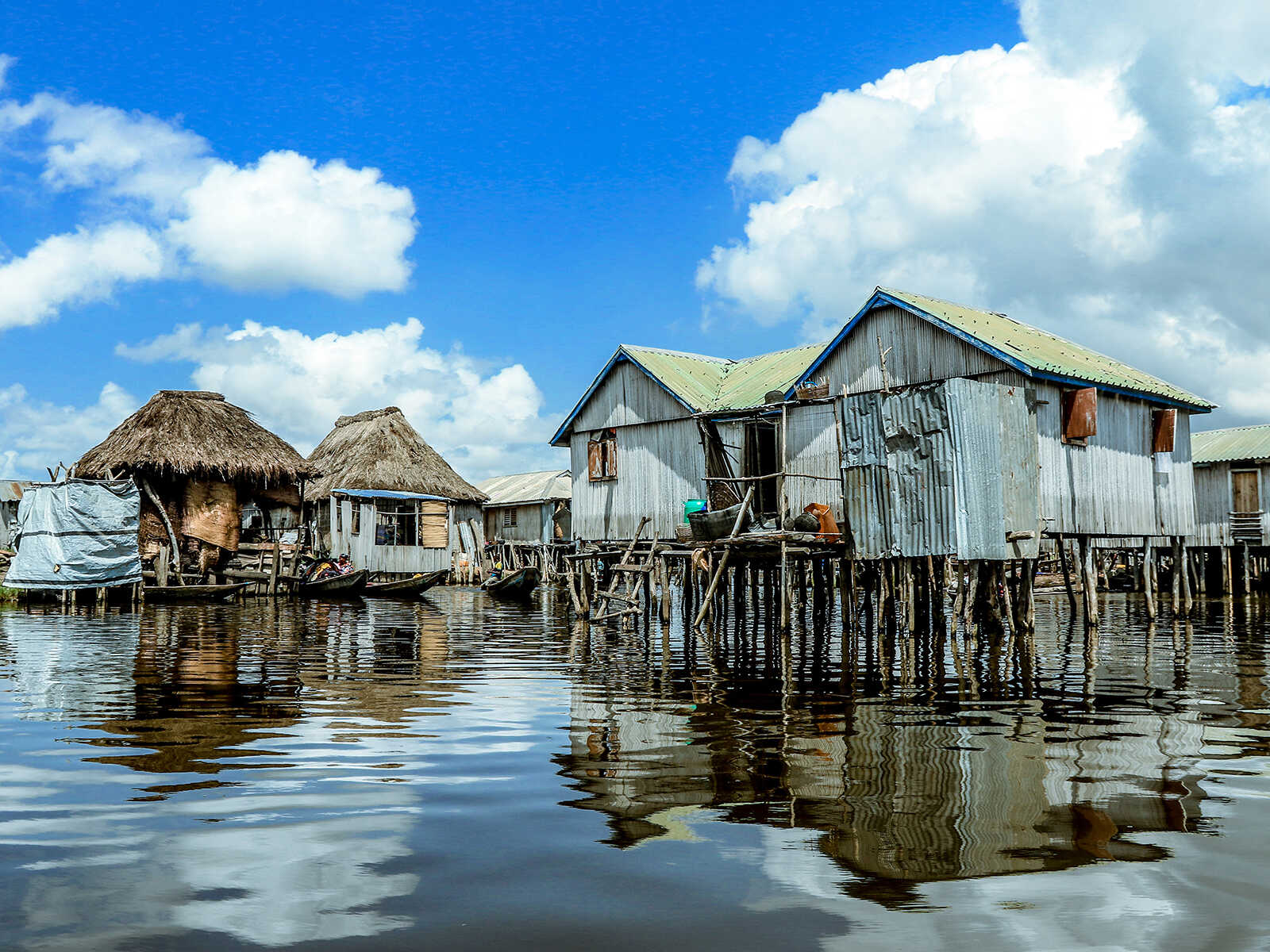
While Pendjari offers unparalleled wildlife encounters, Benin is a country rich in history and culture, making it an ideal destination for a multi-faceted adventure. After the thrill of a Pendjari safari, consider extending your Beninese journey to other captivating sites. Delve into the rich history of the Dahomey Kingdom at the Royal Palaces of Abomey, a UNESCO World Heritage site that offers a profound insight into West African royalty. For a poignant reflection on the transatlantic slave trade, visit the Porte Du Non Retour in Ouidah. Experience the unique stilt village of Ganvie, often called the "Venice of Africa," or unwind on the serene beaches of Grand Popo.
Conclusion
For most visitors prioritizing abundant wildlife sightings and comfortable travel conditions, thedry season, particularly from December to March, is the undisputed best time to visit Pendjari National Park. However, if you're a keen birder or prefer a more solitary, lush experience, the wet season holds its own unique charm. Whichever season you choose, Pendjari promises an authentic and unforgettable African safari experience, offering a rare glimpse into the wild heart of Benin.