
Best Day Trips from Cotonou: Explore Beyond the City
Cotonou, Benin's bustling economic hub, offers a vibrant introduction to West African life, but its surrounding regions hold a treasure trove of history, culture, and natural beauty waiting to be explored. Venture beyond the city limits and discover an array of captivating destinations perfect for a memorable day trip.
Discovering Benin's Rich Tapestry Just Hours Away
While Cotonou provides endless energy with its markets, art, and lively streets, extending your journey offers a deeper understanding of Benin's heritage and diverse landscapes. From ancient kingdoms to stilt villages and serene coastlines, these day trips promise unique experiences that complement your urban exploration.
Ouidah: A Journey Through History and Spirituality
Located approximately an hour's drive west of Cotonou, Ouidah is a city steeped in profound history and spiritual significance. Once a major port for the transatlantic slave trade, it now stands as a powerful memorial and a vibrant center for Vodun culture. A day trip here is both educational and deeply moving.
- The Slave Route:Begin your exploration at the historical museum, housed in the former Portuguese Fort, which offers a comprehensive overview of Ouidah's role in the slave trade. Follow the 'Slave Route' on foot or by zemidjan (motorcycle taxi) – the path taken by countless enslaved individuals to the ships.
- Porte Du Non Retour(Door of No Return):The route culminates at this poignant monument on the beach, a powerful symbol of remembrance and a place for reflection.
- Pythons Temple:Experience the unique spiritual practices of Vodun at the Pythons Temple, where sacred pythons are revered and housed. Visitors can respectfully observe these creatures and learn about their significance in local beliefs.
- Sacred Forest of Kpasse:Explore this mystical forest, home to ancient Iroko trees and various Vodun shrines, offering a tranquil escape and a glimpse into traditional spirituality.
Tip:Consider hiring a local guide in Ouidah. Their insights can greatly enrich your understanding of the city's complex history and cultural nuances.
Ganvié: The Venice of Africa
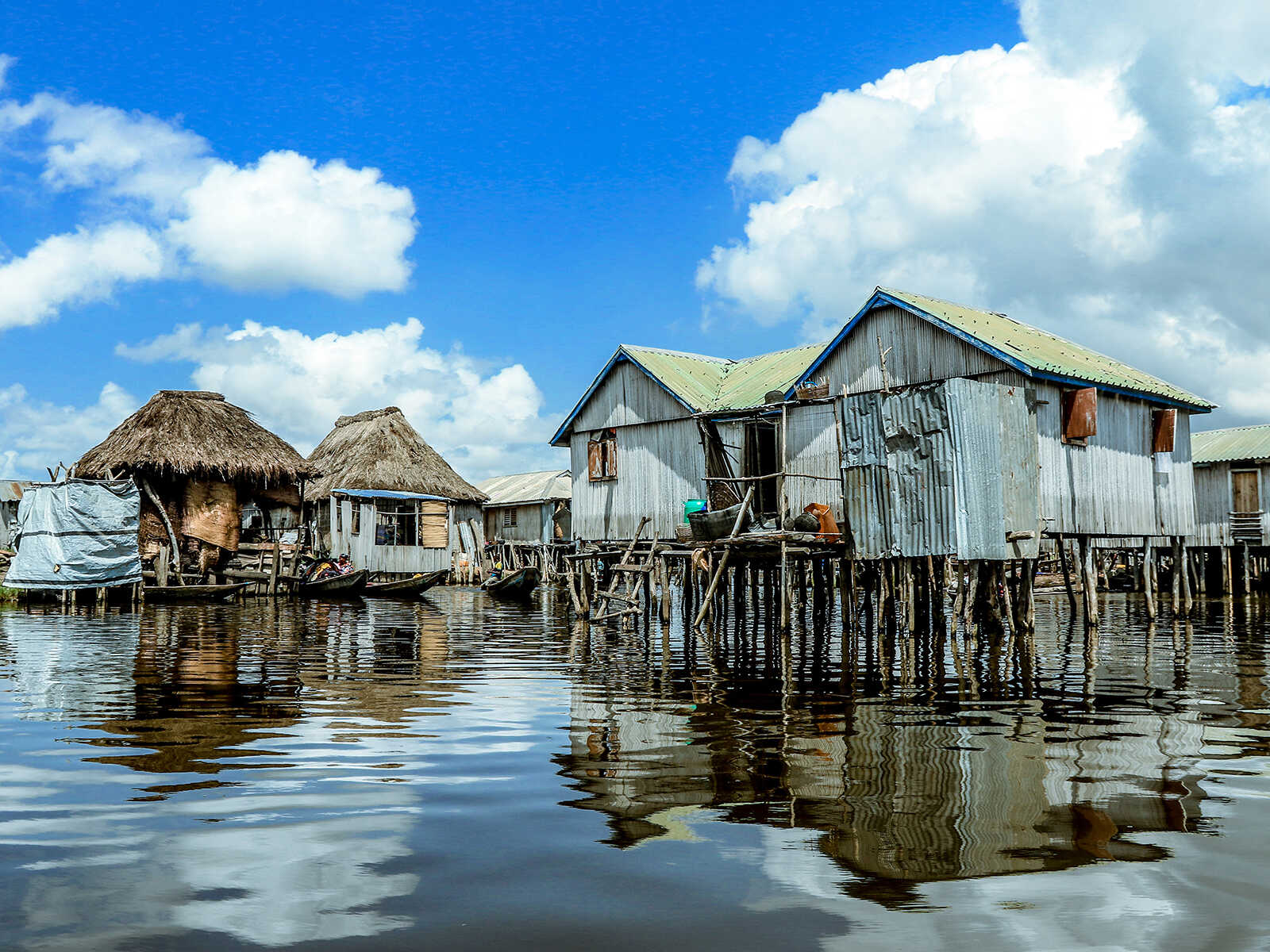
Just a short drive northeast of Cotonou lies Ganvie, an extraordinary stilt village built entirely on Lake Nokoué. Often referred to as "The Venice of Africa," this unique community of the Tofinu people has thrived on the water for centuries, originally as a refuge from slave hunters.
- Boat Tour:The only way to explore Ganvie is by boat. Hire a traditional pirogue and navigate through the village's waterways, observing daily life unfold on the water. You'll see homes, shops, schools, and even a floating market, all built on stilts.
- Observe Daily Life:Witness the ingenuity of the Tofinu people as they fish, commute, and conduct their lives entirely on the lake. It's a truly immersive cultural experience unlike any other.
- Floating Market:If your timing is right, you might encounter the vibrant floating market, where goods are traded directly from boat to boat.
Fun Fact:The Tofinu people built Ganvie on stilts to escape the Fon warriors, who were forbidden by their religion from fighting on water. This clever strategy allowed them to maintain their freedom.
Abomey: Echoes of a Powerful Kingdom
Journey approximately two to three hours north of Cotonou to Abomey, the historical capital of the powerful Kingdom of Dahomey. This UNESCO World Heritage site offers a captivating look into one of West Africa's most significant pre-colonial kingdoms.
- Royal Palaces of Abomey:Explore the remains of the Royal Palaces of Abomey, a complex of adobe palaces that served as the ceremonial and administrative centers of the kingdom. While many structures were destroyed, the remaining palaces and the historical museum provide invaluable insights into the kingdom's art, warfare, and royal traditions.
- Abomey Historical Museum:Housed within the royal enclosures, the museum displays an impressive collection of artifacts, including royal thrones, costumes, weapons, and ceremonial objects, bringing the kingdom's history to life.
- Experience Dahomey's Legacy:Learn about the powerful Fon kings, the famed Amazon warriors (Agojie), and the intricate social and political structures that defined this influential empire.
Consideration:A visit to Abomey is best undertaken with a knowledgeable guide who can explain the complex history and symbolism of the palaces and artifacts.
Grand Popo: Coastal Relaxation and River Adventures
For those seeking a more tranquil escape, head west along the coast for about two hours to Grand Popo. This charming coastal town, situated at the mouth of the Mono River, offers beautiful beaches, serene river landscapes, and a laid-back atmosphere.
- Beach Relaxation:Enjoy the expansive, uncrowded beaches of Grand Popo. Relax by the ocean, feel the Atlantic breeze, and perhaps watch local fishermen at work.
- Mono River Boat Trip:Embark on a serene boat trip up the Mono River, which forms part of the border with Togo. Explore the mangrove forests, observe local birdlife, and witness traditional fishing techniques. You might even visit small fishing villages along the riverbanks.
- Bouche du Roi:Visit the "King's Mouth," the point where the Mono River meets the Atlantic Ocean, creating a dynamic landscape popular for its natural beauty.
- Voodoo Village Exploration:Inquire about visiting nearby traditional villages to learn about local customs and perhaps witness a Vodun ceremony (respectfully and with permission).
Practical Tips for Your Benin Day Trips
To ensure a smooth and enjoyable day trip from Cotonou, keep these practical considerations in mind:
- Transportation:
- Taxi/Car Rental:The most comfortable option is to hire a private taxi for the day or rent a car with a driver. Negotiate the fare beforehand.
- Bush Taxis (Sept-Places):For a more local and budget-friendly experience, shared taxis (known as "sept-places" or "cinq-places") depart from various motor parks in Cotonou to major towns. Be prepared for less comfort and longer travel times due to multiple stops.
- Zemidjans:For shorter distances or within towns like Ouidah, zemidjans (motorcycle taxis) are readily available. Always agree on the price before starting your journey.
- What to Bring:
- Water:Stay hydrated, especially in Benin's tropical climate.
- Sun Protection:Hat, sunglasses, and high-SPF sunscreen are essential.
- Insect Repellent:Particularly important for areas near water or during dawn/dusk.
- Local Currency (CFA Franc):Have small denominations for purchases, tips, and local transport.
- Comfortable Footwear:For exploring historical sites or walking on uneven terrain.
- Camera:Capture the incredible sights, but always ask permission before photographing people.
- Cultural Sensitivity:
- Dress Modestly:Especially when visiting religious sites or traditional villages.
- Ask Permission:Always ask before taking photos of people. A simple "Puis-je prendre une photo?" (May I take a photo?) goes a long way.
- Bargain Respectfully:When shopping in markets, bargaining is expected, but do so with a smile and good humor.
- Language:French is the official language. Learning a few basic phrases will be very helpful and appreciated.
Embark on Your Benin Adventure
From the poignant history of Ouidah to the floating marvel of Ganvie, the royal grandeur of Abomey, and the tranquil shores of Grand Popo, the day trips from Cotonou offer an unparalleled opportunity to delve into the heart of Benin. Each destination promises a unique perspective on this captivating West African nation, enriching your travel experience far beyond the city lights.