
Benin's Hidden Gems: Discover Off-the-Beaten-Path Treasures
Benin, a vibrant West African nation, is renowned for its rich history and profound cultural heritage. While iconic sites draw many, its true magic often lies in the lesser-known corners, waiting to be unveiled by the adventurous traveler. Beyond the well-trodden paths, Benin offers a tapestry of unique experiences, from ancient traditions to untouched natural beauty.
Venturing off the main tourist routes in Benin provides an unparalleled opportunity for deep cultural immersion and authentic discovery. It's where you can connect with local communities, witness ancient rituals preserved through generations, and explore landscapes untamed by mass tourism. Prepare to uncover the heart of Benin, one hidden treasure at a time.
Unveiling Benin's Secluded Wonders
The Architectural Marvels of Tata Somba Country
Deep in the Atakora Mountains of northern Benin, near the towns of Boukoumbé and Koussoukoingou, lies the fascinating region of Tata Somba country. Here, the Betammaribe people (often referred to as Somba) have built remarkable fortified houses known astata somba. These two-story mud and thatch castles, resembling miniature fortresses, are not just homes but entire microcosms, housing families, livestock, and granaries. Each tata is a testament to ingenious traditional architecture, designed for defense and climate control.
Exploring this region offers a rare glimpse into a unique way of life, virtually unchanged for centuries. Engage with local communities, learn about their customs, and perhaps even share a meal. It's an experience that transcends mere sightseeing, offering genuine cultural exchange.
Lake Ahémé: A Serene Lagoon Experience
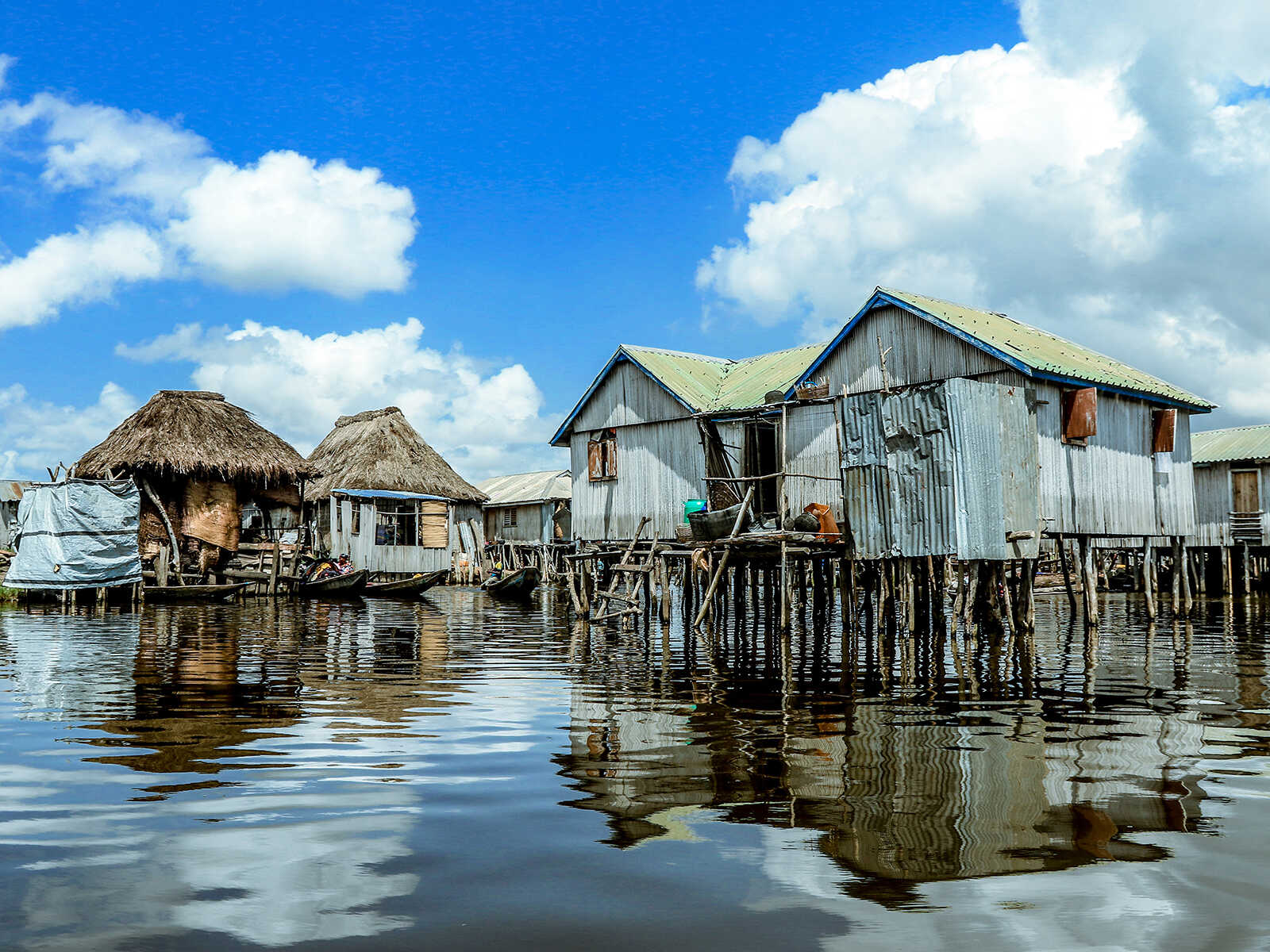
While the stilt village of Ganvie captures much attention, the vast and tranquil Lake Ahémé offers a different, more serene perspective on Beninese lagoon life. Located in the southwest, this immense lake is dotted with small fishing villages where life unfolds at a gentle pace. A pirogue trip across its calm waters allows you to observe traditional fishing techniques, salt harvesting, and the daily routines of lakeside communities.
Tip:Consider arranging an overnight stay in one of the guesthouses on the lake or nearby. Waking up to the sounds of the lake and experiencing the peaceful mornings is truly unforgettable.
The area around Lake Ahémé is also a significant center for Vodun (Voodoo) practices. With a respectful local guide, you might have the opportunity to witness ceremonies or visit local shrines, gaining a deeper understanding of this profound spiritual tradition.
Dassa-Zoumè: The City of 41 Hills
Often overlooked by travelers rushing between the south and north, Dassa-Zoumè is a town steeped in history and spirituality. Known as the "City of 41 Hills," its rocky landscape is home to numerous sacred sites, caves, and ancient shrines. The hills are believed to be inhabited by spirits and hold deep significance for local communities. Exploring these natural formations offers a unique blend of adventure and cultural insight.
Among the most famous sites is the Grotte Notre-Dame d'Arigbo, a Catholic pilgrimage site nestled within a cave, demonstrating the fascinating syncretism often found in Benin. Discovering the legends and spiritual practices associated with these hills provides a compelling narrative of Benin's diverse belief systems.
Ouidah's Untold Stories
Ouidah is widely recognized for its historical significance in the transatlantic slave trade, home to the Porte Du Non Retour, and for its vibrant Vodun heritage, including the Pythons Temple. However, beyond these prominent landmarks, Ouidah offers layers of lesser-explored history and culture.
- The Sacred Forest of Kpassè:A tranquil grove filled with ancient iroko trees, believed to be the transformed spirit of King Kpassè. It’s a peaceful place for reflection and learning about Vodun cosmology.
- Portuguese Fort of São João Baptista:While many visit, taking the time to delve into its full history and the complex colonial interactions it represents adds depth to the experience.
- Local Artisan Workshops:Wander the backstreets to discover local artisans crafting Vodun fetishes, traditional textiles, and intricate beadwork, offering a chance to support local economies directly.
Grand Popo's Riverine Serenity
The coastal town of Grand Popo is celebrated for its beautiful beaches and relaxed atmosphere. However, its true hidden charm lies along the Mono River estuary. Taking a boat trip upstream reveals a pristine natural environment of mangroves, traditional fishing villages, and abundant birdlife. You might encounter local salt harvesters, observe women collecting oysters, or witness small-scale voodoo ceremonies along the riverbanks.
This quieter side of Grand Popo offers a chance to connect with nature and local life away from the bustling beachfront. It's an ideal spot for ecotourism and a deeper appreciation of Benin's coastal ecosystems.
Abomey's Royal Surroundings
While the Royal Palaces of Abomey, a UNESCO World Heritage site, are an absolute must-visit, the surrounding area holds its own hidden treasures. Explore the local markets for unique crafts and textiles, or venture into nearby villages where the descendants of the Dahomey kingdom's artisans still practice their ancestral trades, from blacksmithing to pottery.
Engaging with these communities offers a tangible link to the kingdom's past, providing context and depth to your visit to the palaces themselves. Look for smaller, less-visited royal compounds or historical shrines that offer a more intimate connection to the kingdom's spiritual legacy.
Practical Tips for Off-the-Beaten-Path Travel in Benin
Exploring Benin's hidden gems requires a spirit of adventure and some practical planning:
Getting Around
- Zemidjans:Motorbike taxis are ubiquitous in towns and cities. Always negotiate the price before you set off.
- Bush Taxis (Shared Taxis):These are the primary mode of intercity transport. They can be slow and crowded but are an authentic local experience.
- Private Car Hire:For greater flexibility and comfort, especially to remote areas, consider hiring a private car with a driver. This can be arranged through hotels or local tour operators.
Accommodation
Outside major cities, options might be simpler. Look for:
- Local Guesthouses (Auberges):Often family-run, offering basic but clean rooms.
- Ecotourism Lodges:Increasingly available in natural areas like Lake Ahémé, providing a more immersive and sustainable stay.
- Homestays:With a trusted local guide, this can be an incredible way to experience daily life.
Local Guides: Your Key to Discovery
Hiring a knowledgeable local guide is highly recommended, especially when venturing into remote villages or seeking cultural immersion. They can help with:
- Language Barriers:Facilitating communication with local communities.
- Cultural Nuances:Explaining customs, traditions, and etiquette.
- Access:Gaining permission to visit sacred sites or participate in local events.
- Logistics:Arranging transport and accommodation in less-developed areas.
Cultural Sensitivity and Respect
Benin is a country rich in tradition. Show respect by:
- Dress Code:Dressing modestly, especially when visiting religious sites or traditional villages.
- Photography:Always ask for permission before taking photos of people, and be prepared for them to decline.
- Traditions:Be open-minded and respectful of local customs, particularly those related to Vodun.
Health and Safety
- Hydration:Drink plenty of bottled or filtered water.
- Insect Repellent:Essential, especially in rural and forested areas.
- Travel Insurance:Always travel with comprehensive insurance.
- Local Advice:Heed advice from your guide and local residents regarding safe practices.
Food and Drink
Embrace the local cuisine! Try dishes likepâté(corn dough),igname pilée(pounded yam), and various flavorful sauces. Always ensure food is freshly cooked and served hot. Stick to bottled water to avoid stomach issues.
Language
French is the official language. While a few basic French phrases will be helpful, many local languages like Fon, Yoruba, and Bariba are spoken, especially in rural areas. Your guide will be invaluable for translation.
Embark on Your Beninese Adventure
Benin's hidden gems offer a profound journey into the heart of West African culture and nature. By stepping beyond the conventional tourist trail, you open yourself to authentic encounters, breathtaking discoveries, and a deeper appreciation for this remarkable nation. Pack your curiosity, embrace the unexpected, and prepare for an adventure that will resonate long after you return home.