
Abomey Travel Guide: Discovering the Royal Palaces of Dahomey
Step back in time to the heart of the ancient Dahomey Kingdom with a journey to Abomey, Benin. This historical city, a UNESCO World Heritage site, invites travelers to explore the magnificent Royal Palaces, which stand as a testament to a powerful African empire and its rich cultural legacy.
Introduction to Abomey: Heart of the Dahomey Kingdom
Nestled in the central region of Benin, Abomey served as the capital of the formidable Kingdom of Dahomey from approximately 1625 to 1894. This kingdom was renowned for its military prowess, intricate political structure, and significant role in the transatlantic slave trade. The legacy of its twelve successive kings, who ruled with absolute power, is intricately woven into the fabric of Abomey, particularly within its iconic royal palaces.
Today, Abomey offers a unique window into this bygone era, allowing visitors to walk through the very halls where kings made decisions that shaped a nation. It's a place where history isn't just told; it's felt in the mud-brick walls, the intricate bas-reliefs, and the quiet dignity of the ancient compounds.
The Royal Palaces of Abomey: A UNESCO World Heritage Site
The Royal Palaces of Abomey are not just buildings; they are a sprawling complex of royal compounds, courtyards, and sacred sites that collectively tell the story of the Dahomey kings. Designated a UNESCO World Heritage site in 1985, these palaces are among the most significant historical monuments in West Africa, celebrated for their unique architecture and the invaluable cultural information they preserve.
Each of the twelve kings, from Houegbadja to Gbehanzin, built their own palace within the royal enclosure, creating a vast architectural complex that covers approximately 47 hectares. While many structures were destroyed or damaged over time, particularly during the French colonial conquest, significant portions have been preserved and restored, offering an unparalleled glimpse into royal life.
Architecture and Artistry
The palaces are primarily constructed from traditional materials, predominantly mud, wood, and thatch, reflecting the local building techniques of the era. What truly sets them apart, however, are the magnificent bas-reliefs that adorn their walls. These vibrant, narrative artworks depict the history of the Dahomey kings, their military victories, mythological figures, and the customs of the kingdom. Each symbol, color, and figure tells a story, often serving as a visual chronicle of a king's reign or a powerful warning to his enemies.
The bas-reliefs of Abomey are not merely decorative; they are a sophisticated form of historical documentation and royal propaganda, conveying power, lineage, and the divine right to rule through intricate visual metaphors.
The Historical Museum of Abomey
Housed within the former palace of King Ghézo and King Glele, the Historical Museum of Abomey is an essential part of any visit. It showcases a remarkable collection of artifacts, including royal thrones, ceremonial weapons, traditional costumes, ritual objects, and the remains of some of the kings. The museum provides context to the physical structures, bringing the stories of the Dahomey rulers and their people to life.
Visitors can learn about the Dahomey Amazons (or Mino), the elite female military regiment that famously defended the kingdom, and delve into the complexities of the kingdom's political and economic systems, including its involvement in the slave trade.
Beyond the Palaces: Exploring Abomey and its Surroundings
While the Royal Palaces are the main draw, Abomey itself is a vibrant city with more to offer curious travelers. Wandering through its bustling markets, observing local life, and engaging with the friendly residents can enrich your experience.
- Local Markets:Explore the main market, a lively hub where you can find everything from fresh produce and spices to traditional textiles and local crafts.
- Artisan Workshops:Discover local artisans practicing traditional crafts, offering unique souvenirs and insights into Abomey's artistic heritage.
Voodoo Culture in Abomey
Benin is the birthplace of Voodoo (Vodun), and its influence is still palpable throughout the country, including Abomey. While the royal palaces primarily focus on the monarchical history, the spiritual traditions of Vodun are an integral part of daily life for many Beninese. Visitors may encounter fetishes (voodoo altars) or witness traditional ceremonies, offering a deeper understanding of the local spiritual landscape. Always approach such encounters with respect and seek permission before taking photographs.
Practical Travel Tips for Visiting Abomey
To make your visit to Abomey as smooth and enriching as possible, consider these practical tips:
Getting There
Abomey is located approximately 140 kilometers (87 miles) north of Cotonou, Benin's largest city. The journey typically takes 2-3 hours by road.
- Bush Taxis (Wôro-wôro):These shared taxis are a common and affordable way to travel between cities. You can find them at major transport hubs in Cotonou.
- Private Car:For more comfort and flexibility, consider hiring a private car with a driver, which can also be arranged through hotels or tour operators.
Best Time to Visit
The dry season, from November to February, is generally considered the best time to visit Abomey. The weather is cooler and less humid, making it more comfortable for exploring the outdoor palace grounds. The shoulder months of October and March can also be pleasant.
Local Etiquette and Respect
Beninese people are generally welcoming. Dress modestly, especially when visiting cultural or religious sites. Always ask for permission before taking photos of people, and be prepared to offer a small tip in some cases. Learning a few basic phrases in French (the official language) or Fon (the local language) can greatly enhance your interactions.
Accommodation and Dining
Abomey offers a range of guesthouses and small hotels. While not as extensive as Cotonou, you can find comfortable and clean options. Local restaurants serve authentic Beninese cuisine, with staples likepâte(cornmeal dough) served with various sauces, grilled fish, and fresh fruits. Don't miss the opportunity to try local dishes.
Guides
Hiring a local guide, especially for the Royal Palaces, is highly recommended. Their knowledge of the history, symbolism, and local customs will significantly enhance your understanding and appreciation of the site. Guides can often be found at the entrance to the museum or arranged through your accommodation.
Extending Your Benin Adventure
Benin is a country rich in history, culture, and natural beauty. After exploring Abomey, consider extending your journey to discover other fascinating destinations:
- Ouidah:Just a short drive south, Ouidah is another historical city with a profound connection to the slave trade. Visit the Porte Du Non Retour(Gate of No Return) and the Pythons Temple for a deeper dive into history and Voodoo culture.
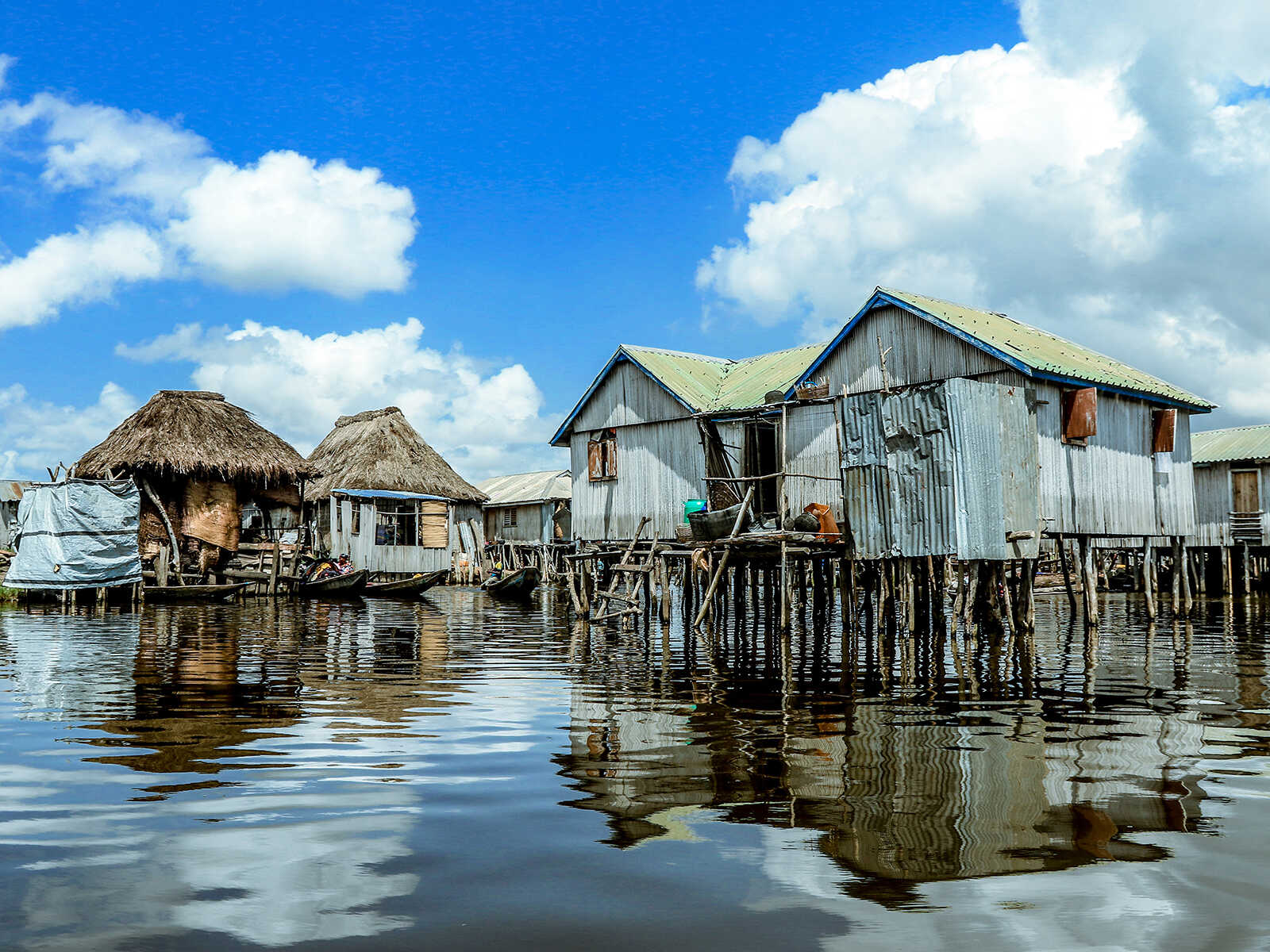
- Ganvié:Experience the unique floating village of Ganvie, often called the "Venice of Africa," where life unfolds entirely on stilts above Lake Nokoué.
- Grand Popo:For a relaxing coastal retreat, head to Grand Popo, known for its beautiful beaches and tranquil atmosphere.
- Pendjari National Park:For wildlife enthusiasts, a journey north to Pendjari National Park offers the chance to see elephants, lions, and various antelopes in their natural habitat.
Abomey is more than just a historical site; it's a journey into the heart of a powerful African kingdom whose legacy continues to resonate. By visiting its royal palaces, you connect with a vibrant past that shaped not only Benin but also had an impact on global history. Prepare to be captivated by the stories etched into its walls and the echoes of kings long past.