
Understanding Belgian Culture and Etiquette for Travelers
Belgium, a small country with a colossal personality, offers travelers an enchanting blend of history, art, and culinary delights. To truly appreciate its charm and navigate local interactions smoothly, understanding Belgian culture and etiquette is paramount. This guide will help you embrace the Belgian way of life, ensuring a respectful and enriching journey.
The Tapestry of Belgian Identity: Language and Regional Nuances
Belgium is a fascinating nation defined by its linguistic and cultural divisions, primarily between Dutch-speaking Flanders in the north and French-speaking Wallonia in the south. Brussels, the capital, is officially bilingual and a melting pot of cultures. While these differences are significant, a unifying "Belgian" identity often shines through in shared values like discretion, politeness, and a love for good food and drink.
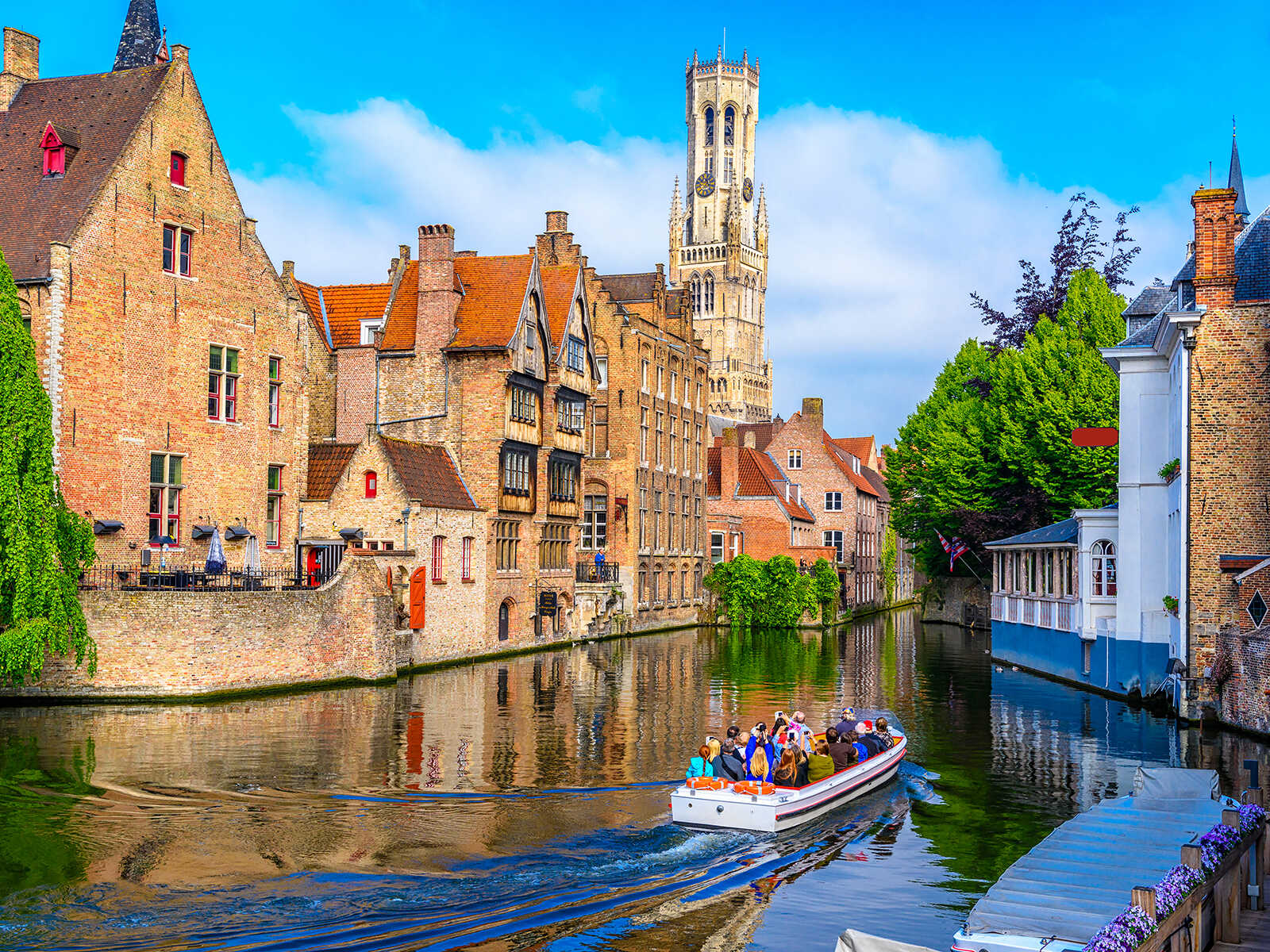
Travelers will encounter these linguistic variations daily. In Flanders, including cities like Bruges and Ghent historic town centre, Dutch is the primary language. In Wallonia, encompassing areas like the Ardennes Hills and towns such as Dinant (home to Notre Dame de Dinant), French is dominant. In Brussels, both are spoken, and English is widely understood, especially in tourist areas like the Grand Place(also known as the Grote Markt).
Greetings and Social Interactions
Belgians generally value politeness and a certain level of formality, especially upon first meeting.
Formal and Informal Greetings
- Handshakes:A firm handshake is the standard greeting when meeting someone for the first time or in a business context.
- Kisses:Among friends and family, Belgians often exchange kisses on the cheek. The number can vary by region: one in Flanders, two in Wallonia (one on each cheek), and sometimes three in Brussels. Observe what others do before initiating.
- Verbal Greetings:A simple "Bonjour" (French) or "Goedendag" (Dutch) is always appreciated when entering a shop, restaurant, or addressing someone.
Conversation and Personal Space
Belgians tend to be more reserved than some other European cultures. Maintain a comfortable distance during conversations. When speaking, avoid overly animated gestures. Direct eye contact is a sign of sincerity but avoid prolonged staring.
Tip:While many Belgians are multilingual, attempting a few words in the local language (Dutch in Flanders, French in Wallonia) will always be met with appreciation and can open doors to warmer interactions.
Dining Etiquette
Food and drink are central to Belgian culture, from its world-renowned chocolates and waffles to its diverse beer traditions. Understanding dining etiquette will enhance your culinary journey.
Reservations and Punctuality
- Reservations:For dinner, especially at popular restaurants, making a reservation is highly recommended.
- Punctuality:Belgians value punctuality. Aim to arrive on time or a few minutes early for reservations. If you're going to be late, it's polite to call ahead.
Table Manners
- Seating:Wait to be seated by the host or staff.
- Utensils:Use your knife and fork correctly – fork in the left hand, knife in the right.
- Hands:Keep your hands visible above the table; avoid resting them in your lap.
- Toast:When toasting, make eye contact with everyone whose glass you clink.
- Splitting the Bill:It's common for friends to split the bill evenly, rather than calculating individual items. If you prefer to pay for only what you ate, clarify this beforehand.
Tipping
Service charges are typically included in the bill in Belgium, so tipping is not mandatory. However, rounding up the bill or leaving a small amount (5-10%) for exceptional service is a common and appreciated gesture.
Public Behavior and Courtesy
Respect for public order and quiet is generally expected.
- Noise Levels:Keep your voice down in public spaces, especially on public transport, in museums, and residential areas.
- Queuing:Form and respect queues. Cutting in line is considered rude.
- Public Transport:Offer your seat to elderly, pregnant, or less-abled individuals.
- Littering:Belgium is generally very clean. Always dispose of your rubbish in designated bins.
- Smoking:Smoking is prohibited in all enclosed public spaces, including restaurants, cafes, and bars.
Shopping and Services
The shopping experience in Belgium is typically straightforward and polite.
- Opening Hours:Shops generally open around 9-10 AM and close around 6-7 PM, with shorter hours on Saturdays. Many smaller shops close on Sundays, though larger supermarkets and tourist-oriented stores may remain open.
- Bargaining:Haggling over prices is not customary in retail shops, markets, or restaurants. Prices are generally fixed.
- Service:Expect polite and efficient service. It’s common to be greeted and thanked upon entering and leaving shops.
Understanding Regional Nuances: A Brief Overview
While general etiquette applies, being aware of subtle regional differences can enhance your experience.
Flanders (Dutch-speaking)
Often perceived as more reserved and direct. Punctuality is highly valued, and interactions can be more formal initially. Cities like Bruges,Ghent historic town centre, and Leuven (home to Groot Begijnhof) embody this cultural context.
Wallonia (French-speaking)
Can feel slightly more expressive and embrace a more relaxed pace. While still polite, conversations might be a bit more animated. The Ardennes Hills and cities like Liège and Dinant are characteristic of Walloon culture.
Brussels (Bilingual/International)
As the capital and a major international hub, Brussels offers a blend of both cultures and a significant international influence. English is very widely spoken, especially in tourist areas around the Grand Place and the European Quarter.
Fun Fact:Despite its small size, Belgium has three official languages: Dutch, French, and a small German-speaking community in the east near the Eifel Natural Park.
Key Phrases to Learn
Learning a few basic phrases in Dutch and French will go a long way:
- Hello:Bonjour (French) / Goedendag (Dutch)
- Please:S'il vous plaît (French) / Alstublieft (Dutch)
- Thank You:Merci (French) / Dank u (Dutch)
- Excuse Me / Sorry:Pardon (French) / Sorry (Dutch)
- Yes:Oui (French) / Ja (Dutch)
- No:Non (French) / Nee (Dutch)
Conclusion
Traveling through Belgium is a delightful experience, full of architectural wonders, stunning natural landscapes like the Sonian Forest or Hoge Kempen National Park, and unparalleled culinary treats. By keeping these cultural insights and etiquette tips in mind, you'll not only navigate your journey with ease but also gain a deeper appreciation for the warm and welcoming spirit of the Belgian people. Embrace the differences, show respect, and enjoy everything this diverse country has to offer.