
Is Belgium Safe for Tourists? Essential Travel Safety Tips
Belgium, a charming country at the heart of Western Europe, draws millions of visitors each year with its medieval towns, stunning architecture, world-class chocolate, and renowned beers. For many planning a trip, a key question arises:Is Belgium safe for tourists?The short answer is yes, Belgium is generally a very safe country to visit, but like any popular travel destination, it's essential to be aware of common safety considerations and practice smart travel habits.
Overall Safety Assessment: A Secure European Destination
Belgium consistently ranks highly on global safety indexes, reflecting its low rates of violent crime. Most visits are trouble-free, with tourists enjoying the country's rich history and vibrant culture without incident. The primary concerns for visitors typically revolve around petty crime, particularly in crowded tourist areas and on public transport, rather than serious threats.
Fun Fact:Belgium is home to the European Union's headquarters in Brussels, making it a hub for international diplomacy and security efforts.
Common Safety Concerns and How to Avoid Them
Petty Crime: Pickpocketing and Bag Snatching
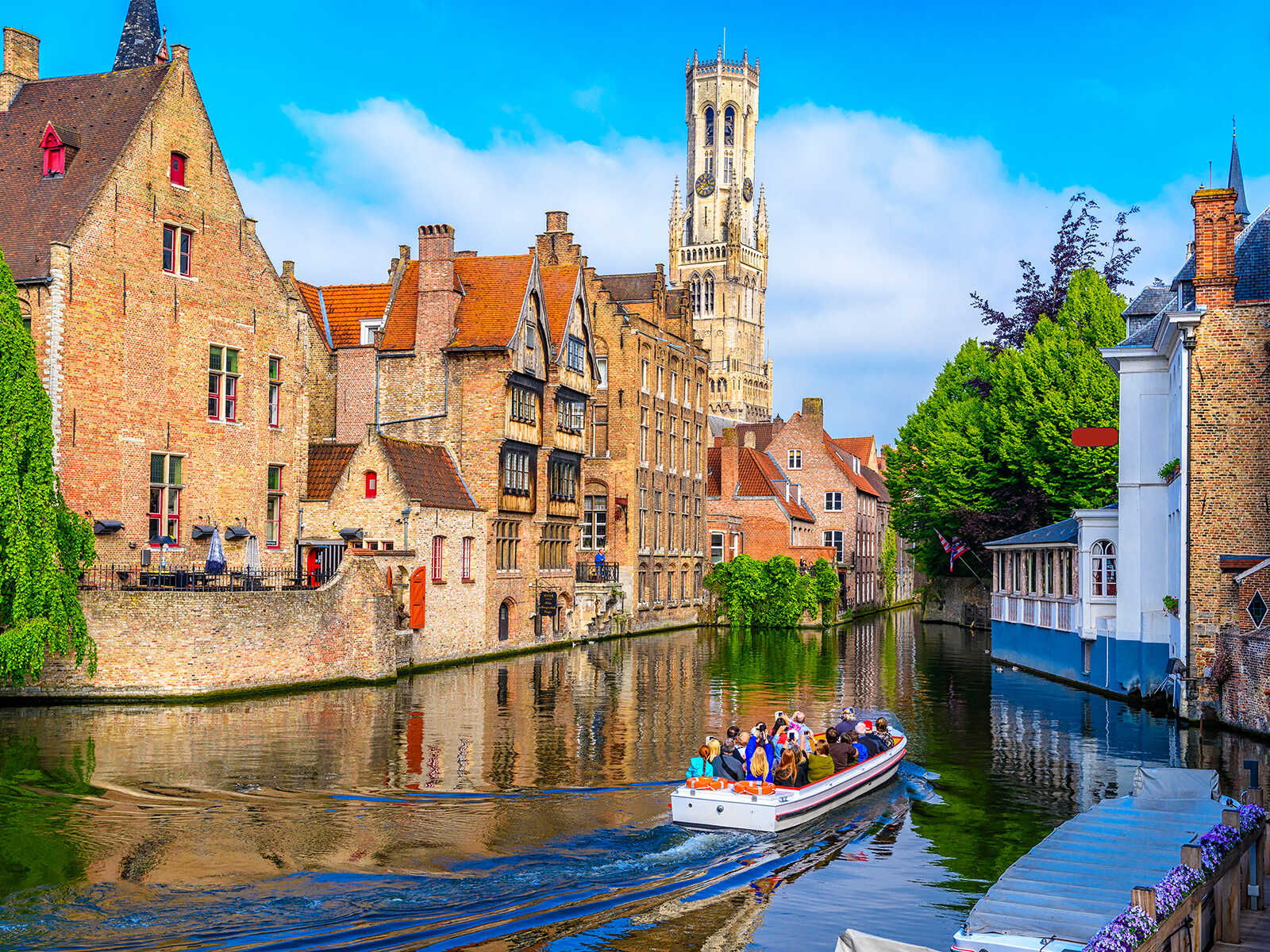
This is the most common issue tourists face, especially in bustling urban centers and popular attractions. Areas around the Grand Place in Brussels, the Canals of Bruges, and the Ghent historic town centre, as well as train stations, markets, and public transport, are prime locations for opportunistic thieves.
- Keep Valuables Secure:Use a cross-body bag or money belt. Avoid keeping wallets in back pockets.
- Be Aware of Your Surroundings:Pay attention, especially in crowded spots. Don't leave phones or cameras unattended on cafe tables.
- Stay Vigilant on Public Transport:Thieves often target distracted passengers on trams, buses, and metro lines.
Scams and Fraud
While not rampant, tourists can occasionally encounter various scams. These might include "found" gold rings, fake petitions, or individuals claiming to be plainclothes police officers. The goal is usually distraction to facilitate pickpocketing or to solicit money.
- Be Skeptical:If something seems too good to be true, it probably is.
- Politely Decline:Don't engage with individuals attempting to distract you or ask for signatures/money unexpectedly.
- Verify Authority:Legitimate police officers will clearly identify themselves and usually won't ask for cash on the spot.
Public Transport Safety
Belgium's public transport system is efficient and generally safe. However, exercising caution, especially late at night or in less-frequented stations, is advisable. Keep an eye on your belongings.
- Travel in Groups at Night:If possible, especially when using public transport late.
- Mind Your Luggage:Keep an eye on bags on luggage racks or near exits.
Traffic and Pedestrian Safety
Belgian roads are well-maintained, but be aware of traffic, especially cyclists, who have dedicated lanes and can move quickly. Pedestrians should use designated crossings and be mindful when walking.
- Look Both Ways:Always double-check for cyclists and vehicles, even on one-way streets.
- Use Crosswalks:Stick to marked pedestrian crossings.
Specific Areas and Situations to Be Aware Of
Major Cities: Brussels, Antwerp, Ghent, Bruges
These vibrant cities are tourist magnets and, consequently, where most petty crime occurs. While exploring iconic sites like the Grote Markt in Antwerp or the historic lanes of Groot Begijnhof in Leuven, maintain heightened awareness.
- Brussels:As a capital city and international hub, Brussels has a slightly higher urban crime rate than smaller towns. Certain neighborhoods, particularly around Brussels-Midi train station, require extra vigilance, especially after dark.
- Nightlife:Enjoy Belgium's famous beer culture responsibly. Watch your drinks, and don't walk alone through unfamiliar areas late at night.
Rural Areas and Natural Parks
Areas like the Ardennes Hills,Sonian Forest,Hallerbos Forest,Eifel Natural Park, and Hoge Kempen National Park are exceptionally safe, offering opportunities for hiking, cycling, and enjoying nature. The primary concerns here relate to outdoor safety rather than crime.
- Hiking Safety:Stick to marked trails, inform someone of your route if venturing far, and be prepared for weather changes.
- Wildlife:While not dangerous, be respectful of local wildlife.
Even historic sites like Durbuy Castle or the serene surroundings of Notre Dame de Dinant offer peace of mind, allowing visitors to immerse themselves in the experience without significant safety worries.
Coastal Regions and Beaches
Popular coastal towns like Knokke-Heist beaches are generally very safe, especially during the day. Standard beach safety practices apply: don't leave valuables unattended, and be mindful of currents if swimming.
Essential Travel Safety Tips for Belgium
Before You Go
- Travel Insurance:Always purchase comprehensive travel insurance that covers medical emergencies, theft, and trip cancellations.
- Register Your Trip:Consider registering your travel plans with your country's embassy or consulate in Belgium.
- Research Local Laws and Customs:Familiarize yourself with Belgian laws, especially concerning alcohol consumption and public behavior.
During Your Trip
- Secure Your Documents:Keep your passport, ID, and other important documents in a secure place, such as a hotel safe. Carry photocopies or digital copies separately.
- Financial Safety:Use ATMs in well-lit, busy areas. Notify your bank of your travel plans to avoid card freezes.
- Accommodation Safety:Always lock your hotel room door and use any provided safe for valuables.
- Health Precautions:Ensure your routine vaccinations are up to date. European Health Insurance Card (EHIC) for EU citizens.
- Respect Local Culture:Belgium is a multicultural country. Be polite and respectful of local customs and traditions.
- Consider a Local SIM Card:For easier access to maps, emergency contacts, and communication.
- Solo Travelers:Belgium is very safe for solo travelers, but general solo travel advice applies: share your itinerary, stay connected, and trust your instincts.
Dealing with Emergencies
Knowing what to do in an emergency can provide peace of mind:
- Emergency Number:The universal European emergency number is112for police, ambulance, and fire services.
- Reporting a Crime:Go to the nearest police station (politiein Dutch,policein French) to report theft or other crimes. You'll need a police report for insurance claims.
- Embassy/Consulate:Know the location and contact details of your country's embassy or consulate in Belgium. They can assist with lost passports and other emergencies.
Conclusion: Enjoy Belgium Safely
Belgium offers an incredible travel experience, from the historical battlefields of Lion's Mound to the contemporary art installations like Rock Strangers, and even the eerie abandoned village of Doel. By taking sensible precautions and remaining aware of your surroundings, you can confidently explore all that this beautiful country has to offer. Belgium is a welcoming and secure destination, inviting you to discover its unique charm with peace of mind. Plan smart, travel safe, and prepare for an unforgettable Belgian adventure!