
Hoge Kempen National Park: Discover Belgium's Natural Beauty
Nestled in the Limburg province, Hoge Kempen National Park stands as Belgium's sole National Park, offering a pristine expanse of diverse landscapes. This remarkable natural haven invites visitors to explore vast heathlands, dense pine forests, and shimmering lakes, providing a much-needed escape into the wild heart of Flanders.
A Unique Landscape of Heathland and Pine Forests
The Hoge Kempen National Park is a testament to Belgium's rich natural heritage, covering over 12,000 hectares across multiple municipalities. Its distinctive landscape is a result of ancient geological processes and human intervention, primarily from the region's mining past. What was once a landscape shaped by coal extraction has been meticulously transformed into a thriving ecosystem.
The park is characterized by its rolling hills of purple heathland, particularly vibrant in late summer, interspersed with extensive stretches of coniferous and deciduous forests. Former sand and gravel pits have evolved into picturesque lakes, attracting a myriad of waterfowl and providing serene spots for reflection. These diverse habitats support a rich tapestry of flora and fauna, making it a crucial area for biodiversity conservation in Belgium.
Fun Fact:The Hoge Kempen landscape was significantly shaped by the Maas River in prehistoric times, leaving behind extensive sand and gravel deposits that form the basis of its unique soil and vegetation today.
Activities and Experiences in Hoge Kempen
Hoge Kempen National Park offers an abundance of activities, catering to all ages and fitness levels. Whether you seek strenuous adventure or peaceful contemplation, the park provides a wealth of options to connect with nature.
Walking and Hiking Trails
With hundreds of kilometers of marked trails, Hoge Kempen is a hiker's paradise. The park features a well-developed network of signposted routes, ranging from short, accessible loops to challenging long-distance treks. Each of the six main access gates – Kattevennen, Connecterra, Terhills, Pietersheim, Lieteberg, and Duinengordel – offers distinct starting points with unique scenery and trail options.
- Kattevennen:Known for its "Cosmodrome" and easy access to forest trails.
- Connecterra (formerly Maasmechelen):Offers panoramic views from slag heaps, providing some of the most dramatic vistas in the park.
- Terhills:Features former industrial sites transformed into beautiful lakes and hills, with stunning blue lagoons.
- Pietersheim:A family-friendly gateway with a water castle and children's farm, leading to gentler forest walks.
- Lieteberg:Home to Belgium's only barefoot path and an insect museum.
- Duinengordel (Oudsbergen):Characterized by vast sand dunes and heathland, offering a sense of wilderness.
Carefully follow the color-coded signposts to navigate the trails, ensuring you stay on designated paths to protect the delicate ecosystems.
Cycling Paradise
The park is renowned for its innovative cycling routes, making it a prime destination for cyclists. The "cycling through the water" experience in Bokrijk (near Genk, accessible from the park) allows riders to traverse a path with water at eye level, creating a unique sensation of floating. Similarly, the "cycling through the trees" path in Bosland (Hechtel-Eksel) elevates cyclists among the treetops, offering a bird's-eye view of the forest canopy.
The entire Limburg region boasts an extensive, Knotenpunkt (junction network) system, allowing cyclists to easily plan custom routes by following numbered junctions. This network seamlessly integrates with the park's trails, providing endless opportunities for exploration on two wheels.
Horse Riding and Other Activities
For equestrian enthusiasts, designated horse-riding trails wind through the park's scenic landscapes. Mountain biking is also popular, with specific routes designed to challenge riders while minimizing environmental impact. Nature photography, birdwatching, and simply enjoying a picnic amidst the tranquil surroundings are other popular ways to experience the park's beauty.
Wildlife and Biodiversity
Hoge Kempen National Park is a crucial refuge for a wide array of wildlife. Its diverse habitats support species that are rare or endangered elsewhere in Belgium.
The heathlands are home to unique insects and reptiles, including the smooth snake (Coronella austriaca) and sand lizard (Lacerta agilis). Birdwatchers can spot various raptors, such as the honey buzzard and common buzzard, as well as a range of heathland specialists. The forested areas provide shelter for deer, wild boars, and numerous small mammals. The park's lakes attract diverse waterfowl, including various duck species and grebes.
Conservation efforts within the park focus on maintaining and restoring these habitats, ensuring the continued survival of its precious biodiversity. Visitors are encouraged to observe wildlife from a distance and respect their natural environment.
Planning Your Visit
A visit to Hoge Kempen National Park requires some planning to make the most of your experience.
Best Time to Visit
The park is beautiful year-round, but specific seasons offer unique attractions:
- Spring (April-May):Fresh greenery emerges, and many migratory birds return.
- Summer (June-August):Ideal for long walks and cycling. Late summer sees the heathland burst into vibrant purple bloom, a truly spectacular sight.
- Autumn (September-November):The forests transform into a mosaic of reds, oranges, and golds, perfect for photography and crisp walks.
- Winter (December-March):A serene and often stark beauty, especially after a snowfall, offering quiet contemplation.
Getting There
The Hoge Kempen National Park is located in the Limburg province of Flanders, Belgium, easily accessible by car. Each access gate has parking facilities. Public transport options exist, though they may require some planning to reach specific gates. The nearest major towns include Genk, Maasmechelen, and Lanaken.
Practical Tips
- Footwear:Wear sturdy, comfortable hiking boots, especially if you plan to explore longer trails.
- Hydration and Snacks:Carry sufficient water and snacks, as facilities within the park can be limited depending on your route.
- Navigation:Pick up a detailed map at one of the visitor centers or download a digital one. The signposting is generally excellent, but a map provides a good overview.
- Leave No Trace:Help preserve the park's beauty by taking all your litter with you. Stay on marked paths to protect sensitive habitats.
- Dogs:Dogs are welcome but must be kept on a leash at all times.
Beyond Hoge Kempen: Exploring Limburg and Belgium
While Hoge Kempen National Park offers an unparalleled natural experience, the Limburg province and wider Belgium have much more to explore. Consider combining your visit with other natural wonders or cultural highlights.
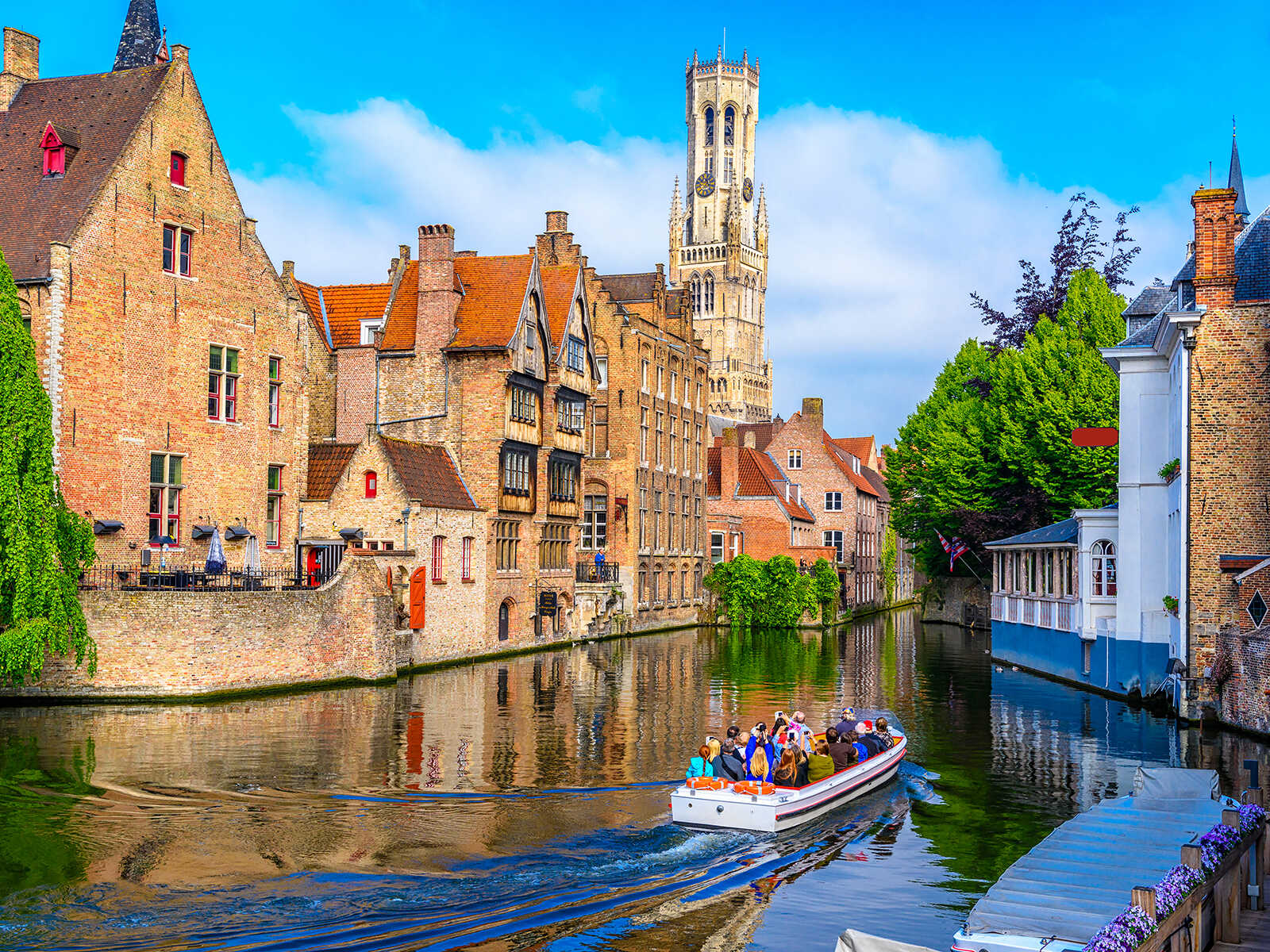
For more natural beauty, explore the ancient Sonian Forest near Brussels or witness the carpet of bluebells in the Hallerbos Forest during spring. Head south to discover the rugged charm of the Ardennes Hills, or explore the cross-border Eifel Natural Park. If you're looking for a change of scenery, Belgium also boasts historic cities like the Ghent historic town centre or the picturesque Canals of Bruges, offering a contrast to the tranquil wilderness of Hoge Kempen.
Hoge Kempen National Park is a jewel in Belgium's crown, offering a unique opportunity to immerse yourself in stunning landscapes and rich biodiversity. Its commitment to conservation, combined with its accessibility and variety of activities, makes it an essential destination for anyone looking to discover Belgium's natural beauty.