
Getting Around Belgium: A Comprehensive Public Transportation Guide
Exploring Belgium's charming cities, historic towns, and picturesque countryside is remarkably easy thanks to its efficient and well-integrated public transportation network. Whether you're planning to navigate bustling urban centers or venture into tranquil natural landscapes, Belgium offers a seamless travel experience for every visitor.
Belgium, a compact nation at the heart of Europe, boasts an impressive public transport system that connects its diverse regions with remarkable ease. From high-speed intercity trains to local buses and trams, traveling without a car is not only feasible but often the preferred method for both locals and tourists seeking to immerse themselves in Belgian culture and scenery. Embrace the convenience and discover the best of Belgium stress-free.
Navigating Belgium by Rail: SNCB/NMBS
The backbone of Belgium's national travel network is its extensive railway system, operated by SNCB (Société Nationale des Chemins de fer Belges) in French or NMBS (Nationale Maatschappij der Belgische Spoorwegen) in Dutch. Belgian trains are known for their efficiency, frequency, and reliability, connecting all major cities and many smaller towns.
You'll find various types of trains:
- InterCity (IC) trains:These are the fastest services, connecting major cities like Brussels, Antwerp,Ghent,Bruges, and Leuven with frequent departures. They are ideal for day trips between urban centers, allowing you to easily go from exploring the Grand Place in Brussels to wandering the canals of Bruges.
- Local (L) trains:These trains make more stops and connect smaller towns and villages.
- S-trains (RER/GEN):Primarily serving the Brussels metropolitan area, these suburban lines offer frequent connections between Brussels and surrounding towns, making it easy to reach destinations like the Groot Begijnhof in Leuven or explore areas around the capital.
Train travel in Belgium is often scenic, offering glimpses of the country's diverse landscapes, from rolling Flemish fields to the more rugged terrain towards the Ardennes Hills. Destinations like Notre Dame de Dinant are readily accessible by train, providing a comfortable journey to iconic landmarks.
Urban and Regional Travel: Buses, Trams, and Metro
Beyond the national train network, Belgium's cities and regions are served by three primary public transport operators, each managing their own bus, tram, and, in some cases, metro networks.
STIB/MIVB (Brussels-Capital Region)
For navigating Brussels, the STIB (Société des Transports Intercommunaux de Bruxelles) or MIVB (Maatschappij voor het Intercommunaal Vervoer te Brussel) is your go-to. Their extensive network includes:
- Metro:Four main lines crisscross the city, offering the fastest way to travel between key areas and tourist attractions.
- Trams:A comprehensive tram network complements the metro, reaching many neighborhoods and connecting to major transport hubs.
- Buses:An extensive bus system fills in the gaps, ensuring virtually every corner of the capital is accessible.
The STIB/MIVB network makes it incredibly easy to get from your accommodation to sites like the Atomium, European Quarter, or of course, the stunning Grand Place.
De Lijn (Flanders Region)
In the Dutch-speaking Flanders region, De Lijn operates a vast network of buses and trams. This operator covers cities like Antwerp,Ghent,Bruges, and Leuven, as well as connecting smaller towns and even some rural areas.
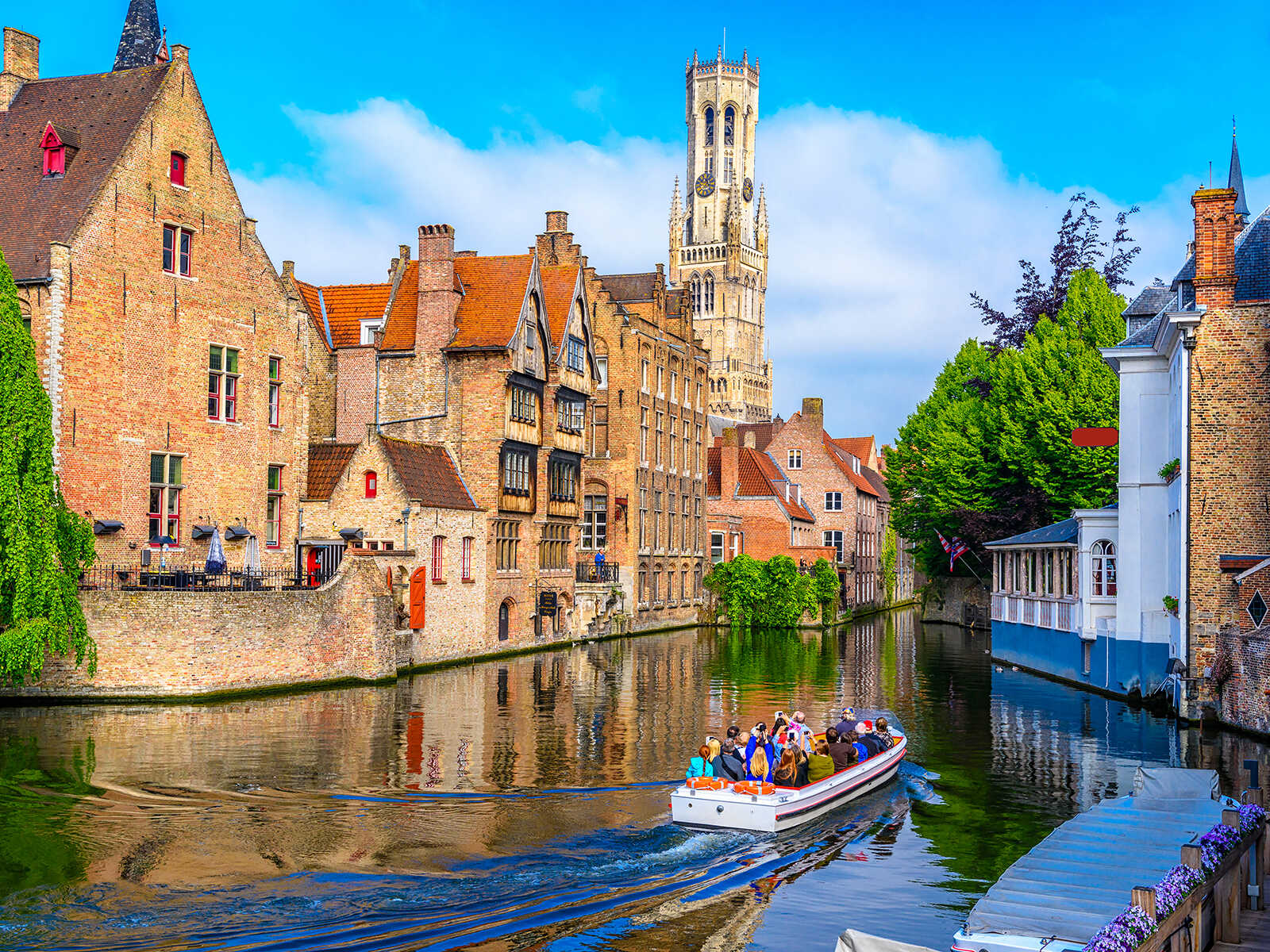
De Lijn is essential for local travel within Flemish cities and for reaching destinations such as the Canals of Bruges or the Ghent historic town centre. Their network also extends to unique locations like the ghost town of Doel, accessible via bus connections.
TEC (Wallonia Region)
The French-speaking Wallonia region is served by TEC (Transport en Commun). TEC primarily operates buses, with a tram network in Charleroi. Their services connect major Walloon cities like Liège, Charleroi, and Namur, and extend into the more rural and scenic parts of the region.
TEC buses are invaluable for exploring the picturesque landscapes of the Ardennes Hills, reaching charming towns, and accessing natural parks like the Eifel Natural Park. You can also use TEC to reach attractions such as Durbuy Castle or the historic Lion's Mound near Waterloo.
The Coastal Tram (De Kusttram)
One of Belgium's most unique public transport experiences is the Coastal Tram, or De Kusttram. This remarkable tram line runs the entire length of the Belgian coast, from De Panne near the French border to Knokke-Heist near the Dutch border.
Offering breathtaking sea views for much of its journey, the Coastal Tram is an incredibly convenient and scenic way to hop between Belgium's charming seaside towns. It's perfect for a day of beach exploration, visiting attractions like the Knokke-Heist beaches, or admiring the Rock Strangers art installation in Ostend.
Planning Your Journey and Ticketing
Navigating Belgium's public transport is made easy with modern planning tools and flexible ticketing options.
Online Resources and Apps
For seamless travel planning, leverage these resources:
- SNCB/NMBS Website & App:Essential for national train schedules, real-time updates, and purchasing train tickets. The app is particularly user-friendly.
- STIB/MIVB, De Lijn, TEC Websites & Apps:Each regional operator has its own website and app for local bus, tram, and metro schedules, route planning, and ticket purchases.
- General Navigation Apps:Google Maps and Citymapper are excellent for multi-modal route planning, often integrating all Belgian public transport operators to provide comprehensive directions from door to door.
Ticketing Systems
While specific prices are subject to change, understanding the types of tickets available will help you choose the best option for your travel style:
- Single Journey Tickets:Available for individual trips on all networks.
- Day Passes & Multi-Journey Cards:If you plan to make several trips within a city or region in a day or over a few days, these options often offer better value.
- Digital Tickets:Most operators offer convenient digital tickets via their apps, which can be scanned directly from your smartphone.
- Physical Tickets:Can be purchased at station ticket counters, automatic ticket machines, and in some cases, from newsagents or directly from the driver (though often at a higher rate).
- Multi-Modal Options:Some passes allow for travel across different operators or modes of transport within a specific zone or period, offering flexibility for exploring.
Validating Your Ticket
It is crucial to validate your ticket before or at the start of your journey. For trains, this usually involves having a valid ticket before boarding. For buses and trams, look for validation machines on platforms or inside the vehicle. Failing to validate a ticket can result in fines, even if you have purchased one.
Practical Tips for a Smooth Journey
- Language Considerations:Belgium has three official languages: Dutch, French, and German. In Flanders, Dutch is prevalent; in Wallonia, French. Brussels is officially bilingual (French/Dutch). However, English is widely spoken in tourist areas, on major transport routes, and by staff. Station announcements on major lines are typically trilingual (Dutch, French, English).
- Accessibility:Newer trains, buses, and trams generally offer good accessibility for travelers with reduced mobility, including ramps and designated spaces. However, older infrastructure, particularly some metro stations or smaller train stations, might have limitations. Always check the specific operator's website for detailed accessibility information if needed.
- Night Transport:Public transport services significantly reduce or cease entirely after midnight, especially outside major city centers. If you plan late-night outings, check schedules in advance or consider alternative options like taxis or ride-sharing services.
- Peak Hours:Like any major transport system, Belgium's trains and urban transport can get crowded during morning and evening rush hours (roughly 7:00-9:00 AM and 4:00-6:00 PM on weekdays). If possible, traveling outside these times can offer a more relaxed experience.
- Luggage:There are no strict luggage restrictions, but be mindful of fellow passengers, especially on crowded services. Stowing larger items in designated areas on trains or keeping them close on buses/trams is courteous.
Exploring Beyond the Main Hubs
Belgium's public transport isn't just for city-to-city travel; it also serves as a gateway to stunning natural beauty and charming lesser-known locales.
Belgium's public transport extends far beyond its urban centers, offering a sustainable and relaxing way to discover hidden gems and breathtaking landscapes.
For instance, from Brussels, you can easily reach the vast Sonian Forest by bus or tram, perfect for a peaceful escape into nature. A bus connection from Halle train station can take you to the magical Hallerbos Forest, famous for its springtime bluebell carpet. In Limburg, buses connect various towns to the magnificent Hoge Kempen National Park, offering opportunities for hiking and cycling amidst unique heathland landscapes.
Even the rugged Ardennes Hills, renowned for their outdoor activities, are accessible by train to towns like Dinant, from where local TEC buses can take you deeper into the region's valleys and forests.
Conclusion
Belgium's comprehensive public transportation network makes exploring this diverse country a breeze. From fast trains connecting major cities to extensive bus and tram networks reaching quaint towns and natural wonders, you'll find an efficient and enjoyable way to travel. Plan ahead, utilize the readily available digital tools, and embark on an unforgettable Belgian adventure, all while leaving the driving to the experts.