
Doel Ghost Town: Belgium's Eerie Abandoned Village for Urban Explorers
Nestled along the Scheldt River in Belgium, the village of Doel stands as a haunting testament to a community caught in the crosshairs of industrial expansion. Once a thriving polder village, it has transformed into a spectral landscape, making it a compelling destination for urban explorers, photographers, and those fascinated by abandoned places.
A Brief History of Doel's Decline
The story of Doel is one of conflict between heritage and progress. For decades, the village has been locked in a bitter struggle against the expansion of the Port of Antwerp, one of Europe's largest seaports. Plans for a new container dock and the enlargement of the existing nuclear power plant, also named Doel, led to compulsory purchase orders and the gradual displacement of its residents.
What was once a vibrant community with hundreds of inhabitants slowly dwindled to just a handful. Houses were bought out, vacated, and left to decay, creating the ghost town atmosphere that now defines Doel. While a small number of resilient residents fought to preserve their homes and heritage, much of the village has been abandoned, offering a unique glimpse into a bygone era frozen in time.
Why Urban Explorers Flock to Doel
Doel offers a rare opportunity for urban exploration (urbex) within Western Europe. Unlike many strictly forbidden abandoned sites, the public streets of Doel are generally accessible, allowing visitors to wander through its desolate avenues and witness the slow reclaim of nature and the rapid spread of human artistry.
- Eerie Atmosphere:The silence, broken only by the wind or distant port sounds, combined with rows of empty, decaying homes, creates a uniquely unsettling yet captivating environment.
- Street Art Canvas:As buildings became abandoned, they became canvases for an explosion of vibrant street art and graffiti. Murals adorn walls, doors, and windows, transforming the decaying structures into an open-air gallery.
- Photographic Goldmine:Photographers find endless inspiration in Doel's stark contrasts – the vibrant graffiti against crumbling facades, the towering nuclear cooling towers in the background, and the interplay of light and shadow on deserted streets.
- Historical Intrigue:Beyond the decay, there's a sense of history. The remaining structures, like the 17th-century Saefthinghe windmill and the former church, offer glimpses into the village's past.
Exploring the Eerie Landscape: What You'll See
A visit to Doel is primarily about walking and observing. The main attractions are the village itself, its abandoned buildings, and the powerful visual juxtaposition they create.
The Streets and Structures
Wander through the residential streets, where houses stand vacant, some boarded up, others with shattered windows. You'll encounter a former school, a church, and numerous residential buildings, all bearing the marks of time and abandonment. While the interiors of most buildings are off-limits due to safety concerns and legal restrictions, their exteriors tell a compelling story.
The street art is a major draw, with new pieces appearing regularly. It’s a dynamic, ever-changing exhibition that reflects the village's ongoing transformation.
Doel's Enduring Landmarks
Amidst the desolation, a few landmarks stand out:
- The Saefthinghe Windmill:This historic mill dates back to 1614 and is one of the oldest in the country. It stands proudly, a symbol of Doel's long history, often contrasting sharply with the modern industrial backdrop.
- The Church of Doel:A prominent feature, its sturdy structure remains, though its interior is typically inaccessible. Its presence serves as a reminder of the community that once gathered there.
- Café Doel 5:For many years, this was one of the last bastions of life in Doel, serving as a hub for remaining residents and curious visitors. While its continued operation can be sporadic, it represents the enduring spirit of the village.
Dominating the skyline just beyond the village are the imposing cooling towers of the Doel Nuclear Power Plant. Their presence is a constant, stark reminder of the industrial force that led to the village's plight, creating a surreal backdrop to the abandoned homes.
Tip for Urban Explorers:"While the external viewing of Doel's abandoned buildings offers incredible photographic opportunities, remember that entering any private property, even if abandoned, is illegal and dangerous. Always prioritize your safety and respect the remaining residents."
Planning Your Visit to Doel
A trip to Doel requires some practical considerations to ensure a safe and respectful experience.
Getting There
Doel is located in the province of East Flanders, close to the city of Antwerp. The easiest way to reach it is by car, as public transport options are limited.
- By Car:From Antwerp, take the E34/N49 highway towards Ghent/Knokke-Heist. Exit towards Doel. The drive offers clear views of the industrial port area before you reach the village. Free parking is usually available near the village entrance.
- Public Transport:While possible, it's less direct. You can take a train to Antwerp Central Station, then a bus towards Doel, but services may be infrequent, especially on weekends. Always check current schedules.
Safety and Etiquette
Visiting a partially abandoned village requires a heightened sense of awareness:
- Stay on Public Paths:Do not trespass into buildings. Structures can be unstable, and there may be hazardous materials. It is also illegal.
- Respect Remaining Residents:A few people still live in Doel. Be mindful of their privacy and do not disturb them.
- Leave No Trace:Do not litter, vandalize, or remove anything from the village. The street art is part of its current identity, but adding your own without permission is not encouraged.
- Watch Your Step:Potholes, broken glass, and uneven surfaces are common. Wear sturdy, closed-toe shoes.
- Visit During Daylight:Doel is best explored during daylight hours for safety and visibility.
Beyond Doel: Other Belgian Adventures
A visit to Doel offers a stark contrast to many of Belgium's more traditional tourist attractions. After experiencing the eerie beauty of Doel, you might consider exploring other facets of Belgium's rich tapestry:
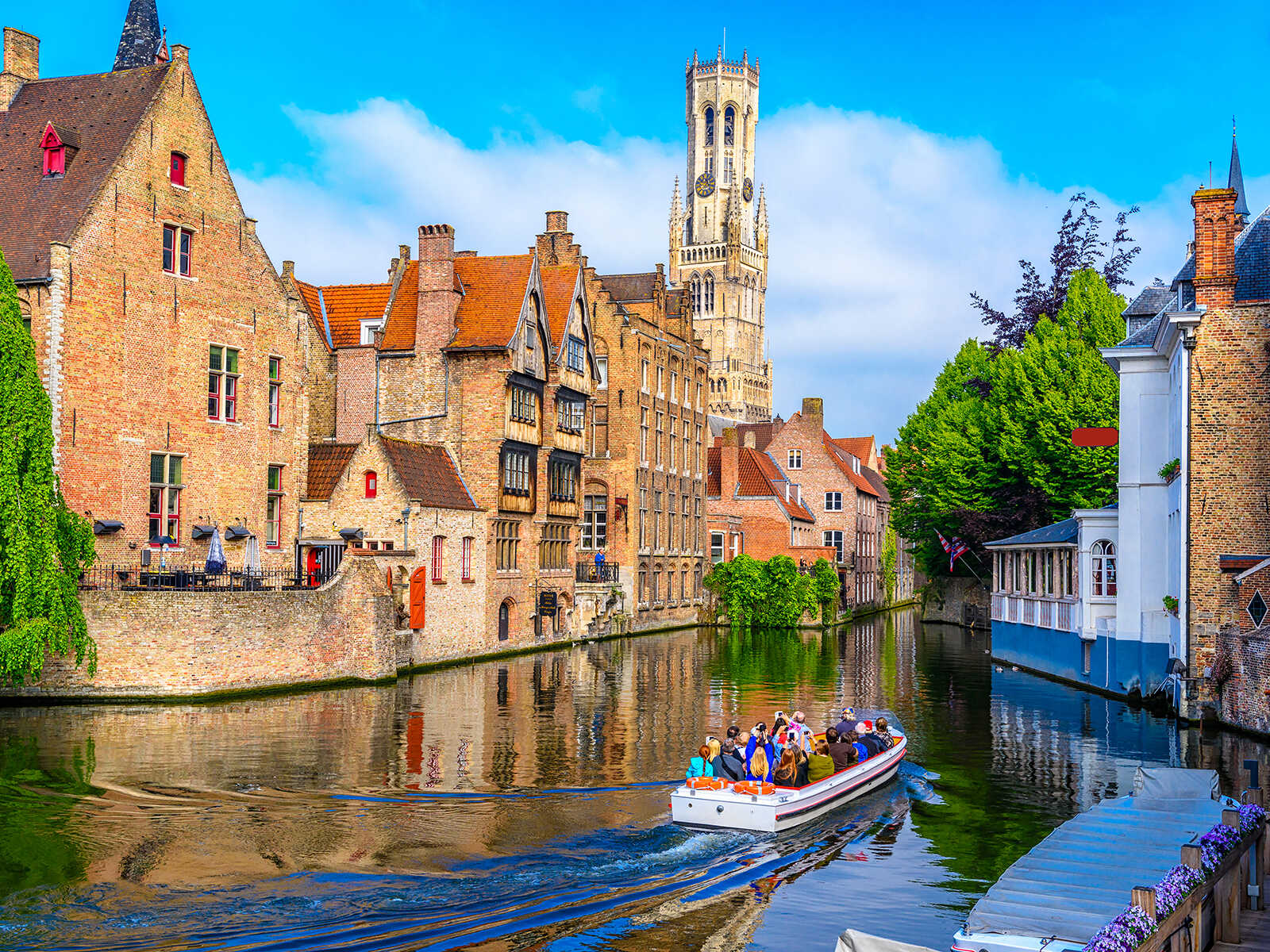
- Historic Cities:Immerse yourself in the medieval charm of Ghent historic town centre, or marvel at the architectural grandeur of Brussels'Grand Place. For picturesque canals and romantic ambiance, the Canals of Bruges are unparalleled.
- Natural Beauty:Escape to the tranquility of the Sonian Forest or witness the vibrant bluebells of the Hallerbos Forest in spring. The rugged landscapes of the Ardennes Hills offer hiking and outdoor adventures.
- Coastal Retreats:For a different kind of relaxation, the upscale Knokke-Heist beaches provide a refreshing coastal experience.
The Future of Doel
The fate of Doel remains uncertain. While demolition efforts have progressed, legal challenges and preservation appeals have periodically halted further destruction. The village exists in a perpetual state of limbo, a powerful symbol of resistance and the complex relationship between human heritage and industrial ambition.
For now, Doel continues to draw visitors who wish to witness its unique beauty before it potentially disappears forever. It's a poignant reminder of communities lost and the unexpected art that can emerge from decay.